


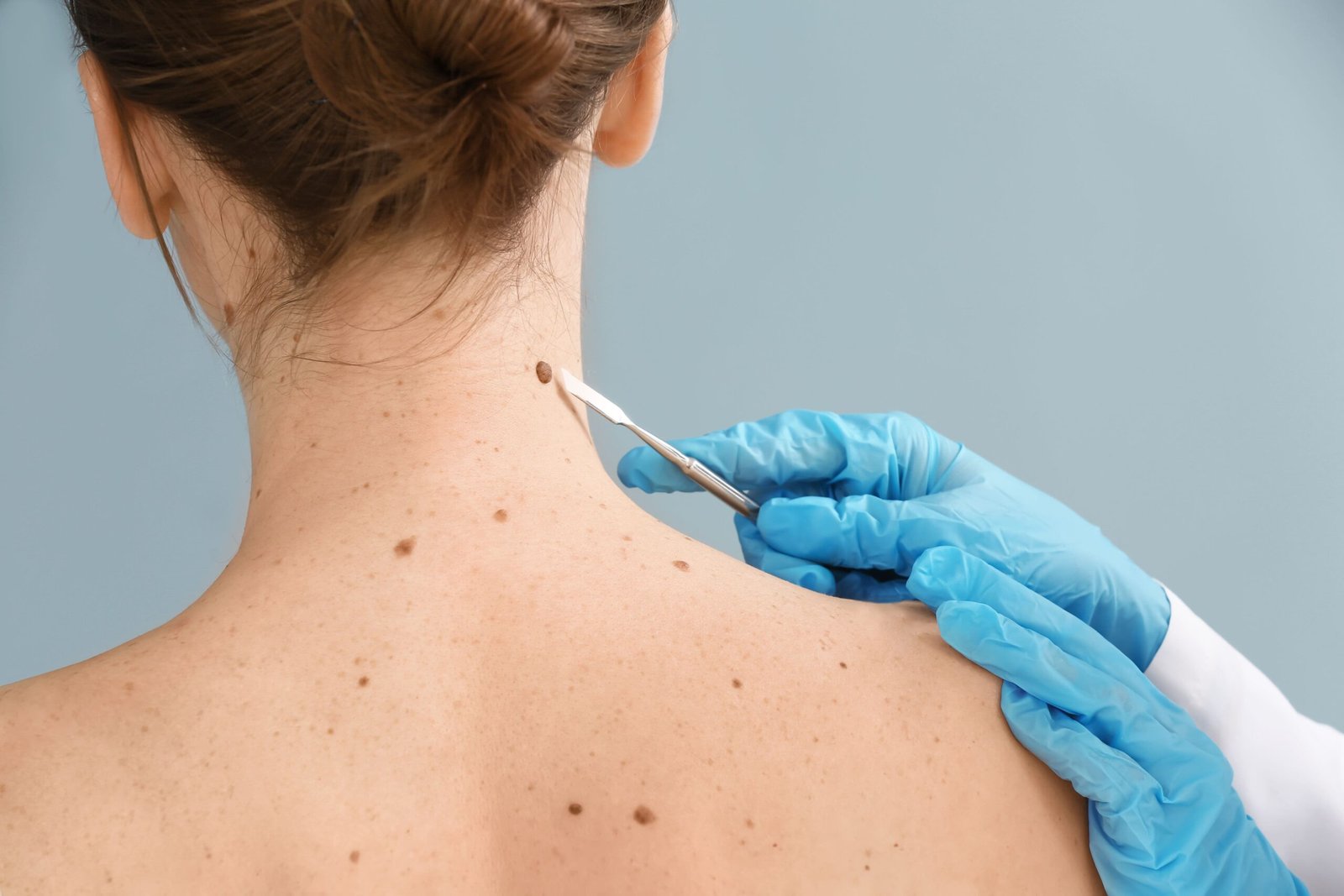
Dermatology is a specialized medical field that focuses on various skin diseases, and this includes certain types of cancer. Medical professionals examine sun damage daily, and they continually observe protective skin layers. Because ultraviolet radiation constantly penetrates tissue boundaries, rapid cellular DNA damage occurs naturally. Here is more information on the link between sunburns and the development of skin cancer:
High Ultraviolet Radiation
High levels of ultraviolet (UV) radiation damage the skin barrier, and this creates ideal conditions for aggressive cancers to grow. Your body continually fights against this ongoing cellular destruction. When a burn stops hurting entirely, microscopic threats still actively multiply below. Because early cellular changes stay completely hidden from view, regular scanning catches tiny initial tumors.
Basal Cell Carcinoma Risk
If you regularly experience blistering sunburns during summer, your overall basal cell risk directly increases. This carcinoma originates deep within the lower epidermal layer of human skin. Defective cells mutate slowly, so invisible tumors gradually expand over many years.
Intense sunburns permanently harm underlying tissues, and they leave lasting physical damage behind. While this specific carcinoma rarely spreads across the body, it damages nearby local tissues. Skilled surgeons extract these expanding tumors safely during standard outpatient medical procedures.
Unprotected daily environmental exposure slowly creates long-term bodily health complications. Unless affected patients seek medical help quickly, localized surface lesions will eventually expand rapidly. Red skin indicates acute trauma, but many people completely ignore the warning signs.
Squamous Cell Carcinoma Link
Because these damaged cells multiply so rapidly today, untreated raw lesions spread toward deeper internal tissues. Vulnerable squamous cells reside very dangerously near the outer surface. Unexpected sunburns quickly trigger their mutation, and abnormal visible cellular replication causes external growths.
Direct sunlight accelerates abnormal, fast tumor growth, so affected patients need immediate medical care. Since squamous carcinoma generally spreads much faster internally, rapid intervention may stop downward progression. Advanced dermatology treatments precisely remove these clustered cellular masses.
Cumulative Skin Damage
Your physical body clearly retains a permanent invisible record of all past sunburns. As people age naturally over decades, old injuries combine to weaken skin structures. Each burn fundamentally alters cellular DNA, and internal natural repair mechanisms may eventually fail completely.
While temporary bright redness usually fades fairly quickly, serious cellular damage remains permanently. The human immune system bravely attacks mutated cells, but abnormal ones still survive. Repeated heavy radiation destroys previously healthy, tough bodily proteins.
Sun damage builds up over time and can lead to serious health issues. Here’s what to look out for:
- Increased Cancer Risk: Frequent sun exposure increases your risk of developing skin cancer over your lifetime.
- Changes in Moles: Pay attention to any new or changing moles. If a mole changes shape, size, or color, it could be an early sign of a problem.
- Microscopic Damage: The sun causes tiny, unseen changes to your skin that can only be tracked through regular doctor visits.
Protected Skin
Daily cautious protective habits successfully prevent intense outer burning. Broad-spectrum liquid lotion physically blocks harsh rays, and dense natural shade offers extra cooling relief. When people wear heavy garments outdoors, total ultraviolet bodily absorption predictably drops significantly. Try wearing:
- Long shirts
- Wide hats
- UV-protective sunglasses
Find a Dermatology Clinic
Before skin damage occurs, book a local clinic appointment to examine your situation. A highly trained medical professional accurately evaluates your entire body. Your skin needs a thorough medical assessment, so schedule a comprehensive screening appointment at a dermatology clinic today.


Leave a Reply