


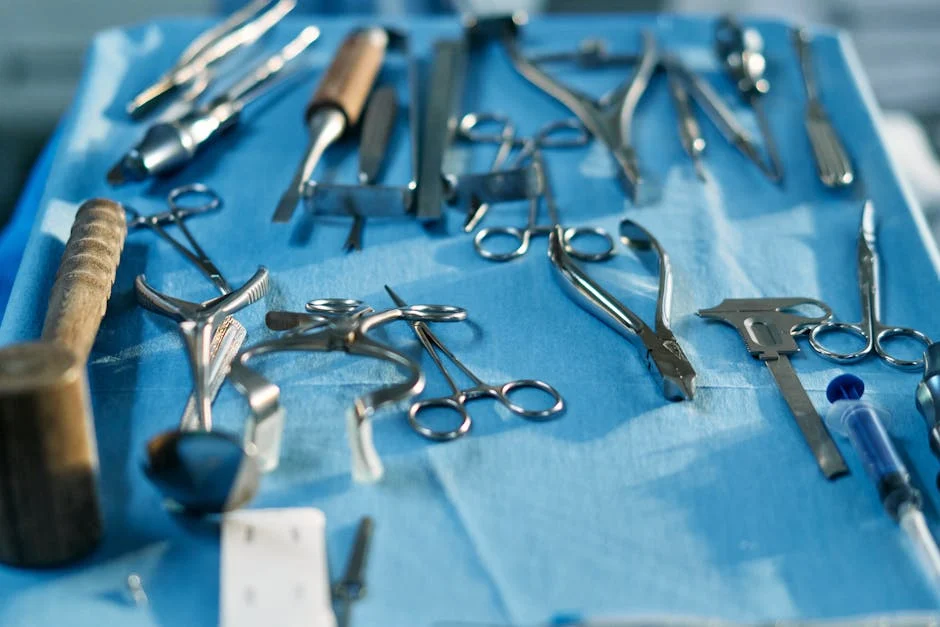
Orthopedic surgeon methods have changed with new technology. Traditional surgery requires large cuts, but modern techniques use smaller openings. Because technology advances daily, surgeons can use different options. Minimally invasive surgery is a new medical approach.
Benefits of Minimally Invasive Surgery
Smaller incisions may result in smaller scars, and blood loss during procedures is reduced. These advanced techniques offer the potential for physical advantages. When incisions remain small, less tissue is disrupted, and muscle preservation is supported. With spinal fusion, a smaller incision means less tissue disturbance and earlier recovery. This approach may also decrease post-operative pain. Some patients recover more quickly, and they return to regular activities faster. When tissue is not cut extensively, the body heals more rapidly. You return to daily routines like walking or stretching sooner. Muscle cutting is often minimized. By limiting trauma to these structures, strength returns faster, and patients may avoid some post-surgical limitations. With less surgical trauma, rehabilitation begins sooner, and mobility improves earlier.
Types of Minimally Invasive Techniques
An orthopedic surgeon utilizes specific methods for these procedures. Small open incisions expose the problem area while limiting unnecessary tissue disruption. This method creates a shortcut near the affected joint or bone, so the surgeon accesses the area without a large opening. With fewer, smaller incisions, specialized retractors gently separate tissue. This provides a clear view of the procedure. By minimizing the surgical field, visible scarring may be less pronounced. Percutaneous methods are another surgical option. Doctors make tiny needle punctures, and they guide instruments using X-ray imaging. With these techniques, a surgeon uses guide wires, specialized needles, or cannulas to direct instruments exactly where they’re needed. A percutaneous approach is used for spinal fusion or certain fracture repairs, and the incisions are often small. Tubular retractors create small internal working tunnels.
Applications in Orthopedic Surgery
These methods are used for various complex orthopedic conditions. Spinal fusion stabilizes the vertebrae, and minimally invasive techniques assist the surgeon in placing devices through smaller incisions. In some cases of sciatica, surgeons use small incisions to relieve pressure on nerves, which helps certain patients walk sooner after orthopedic surgery. Doctors also address scoliosis using minimally invasive methods. They correct spinal curves with precise hardware and imaging. For individuals with scoliosis, this approach offers an alternative to open operations.
If a patient has spinal stenosis, a narrowing of the spinal canal, minimally invasive surgery creates space. Nerve function improves with less disruption of supporting structures. Surgical tools are used to remove bone spurs, which relieves symptoms like numbness, tingling, or weakness. Reconstructive surgery also benefits from this approach. Joint repairs require precision, and minimally invasive tools provide accurate skeletal alignment. This may result in fewer complications than open procedures.
Consult Your Orthopedic Surgeon Today
Minimally invasive techniques transform modern orthopedic care. These advancements provide clear benefits and effective treatment options. Before you decide on a procedure, review all options and plan carefully. Your personal health requires medical attention. Discuss your specific condition and learn about available surgical methods. Once you gather this information, make informed choices that support your recovery. Schedule a consultation with your doctor. Ask your surgeon questions, and evaluate your personal health requirements.

Leave a Reply