Acne is a common skin condition, and patients benefit from seeking medical advice to manage their symptoms. Preparing a list of questions before a clinic visit helps direct the conversation, enabling you to receive information about your skin. Here is more information on acne and how a dermatologist can help treat it:
What Is Acne?
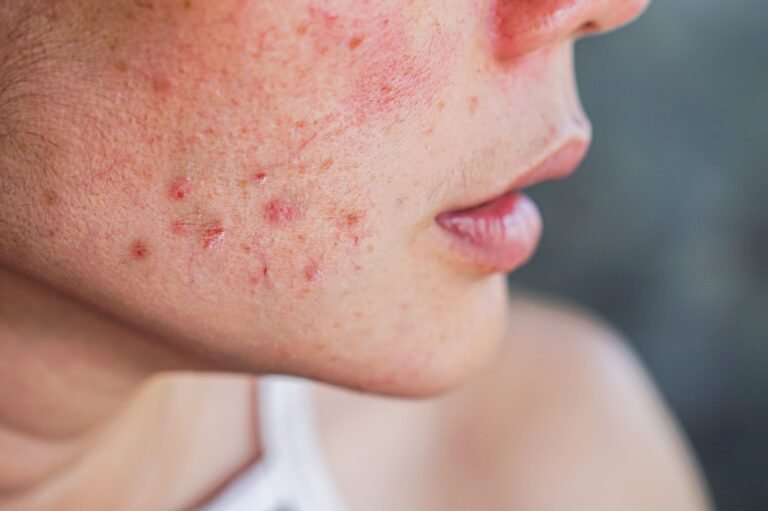
Acne is an inflammatory skin condition affecting the hair follicles and sebaceous glands. The glands produce sebum to lubricate the skin, but excess oil can cause blockages. These blockages lead to the formation of lesions on the face, chest, or back. Understanding the basic mechanics of this condition helps patients discuss their symptoms with a dermatologist.
What Causes It?
Several physiological factors contribute to the development of acne. The primary causes involve processes that occur within the skin. These include:
- Excess Sebum Production: Overactive sebaceous glands produce sebum, and an excess of sebum creates an environment where bacteria can multiply.
- Follicular Blockage: Dead skin cells can accumulate and block the follicular openings, trapping sebum and bacteria inside.
- Hormonal Fluctuations: Changes in hormone levels, particularly androgens, can increase sebum production and skin cell turnover.
Genetics may also determine an individual’s susceptibility to developing acne, and certain dietary factors worsen symptoms in some patients.
What Are the Different Types?
Dermatologists classify acne into non-inflammatory and inflammatory categories based on the visual characteristics of the lesions. Non-inflammatory acne includes open and closed comedones, commonly known as blackheads and whiteheads. Inflammatory acne presents as papules, pustules, nodules, or cysts, and these lesions typically cause more damage to the surrounding skin tissue. Correct identification of the specific type guides the clinical approach, so doctors perform a thorough visual examination during the initial consultation.
What Are the Treatment Options?
Medical professionals utilize several distinct therapies to target the underlying causes of acne. Topical retinoids accelerate skin cell turnover, and oral antibiotics reduce the bacterial population within the hair follicles. Hormonal treatments regulate sebum production in female patients, relieving symptoms.
Dermatologists also offer procedural interventions for patients requiring immediate or localized treatment. Laser therapy targets acne-causing bacteria, and light therapy reduces inflammation in the affected skin areas. Chemical peels remove the outermost layer of dead skin cells, which helps prevent the formation of new comedones.
Severe or resistant cases require specialized clinical approaches to prevent long-term scarring. Cortisone injections rapidly decrease swelling in large cystic lesions, relieving pain. A dermatologist will recommend a specific combination of these treatments, and they base this decision on the severity of your specific symptoms.
How Is Professional Care Beneficial?
Consulting a medical specialist provides access to prescription medications and clinical procedures unavailable over the counter. A dermatologist diagnoses the specific grade of the condition and develops a targeted management strategy based on clinical evidence. Professional monitoring may prevent the development of permanent physical scarring. Regular follow-up appointments allow the doctor to adjust the medication dosages, and this continuous evaluation helps improve the efficacy of the chosen therapy.
Consult a Dermatologist Today
Addressing acne through professional intervention may yield measurable improvements in skin health. Patients receive customized medical guidance, and they gain access to therapies that target the diseases underlying physiological causes. Schedule an appointment with a certified dermatologist to begin a formal evaluation. Prepare your questions regarding causes, types, and treatments, and bring this list to your consultation for a productive medical discussion.