


Acne is a common skin condition that occurs when hair follicles become plugged with oil and dead skin cells. This blockage often leads to inflammation, which can result in whiteheads, blackheads, or larger blemishes. When breakouts penetrate deeply into the skin, they damage the tissues beneath. As blemishes heal, the body produces collagen, which may result in marks or changes in skin texture. Acne affects millions of adults, but you can take proactive steps to minimize lasting marks. Preventing and treating acne scarring involves understanding your skin type, protecting your moisture barrier, and finding the right approach for your specific needs.
Prevention Strategies
The most effective way to address acne scars is to prevent them from forming in the first place, and early intervention during an active breakout reduces the risk of long-term skin changes. Try these daily practices to protect your skin and minimize potential damage:
- Avoid picking or squeezing: Touching active breakouts pushes inflammation deeper into the tissue. This increases the likelihood of severe tissue damage and subsequent scarring.
- Apply sun protection: Ultraviolet exposure darkens existing spots and slows the natural healing process. Wear a broad-spectrum sunscreen daily to protect vulnerable skin.
- Treat breakouts promptly: Addressing acne as soon as it appears helps limit inflammation. Smaller blemishes are much less likely to leave permanent texture changes.
In-Office Treatments
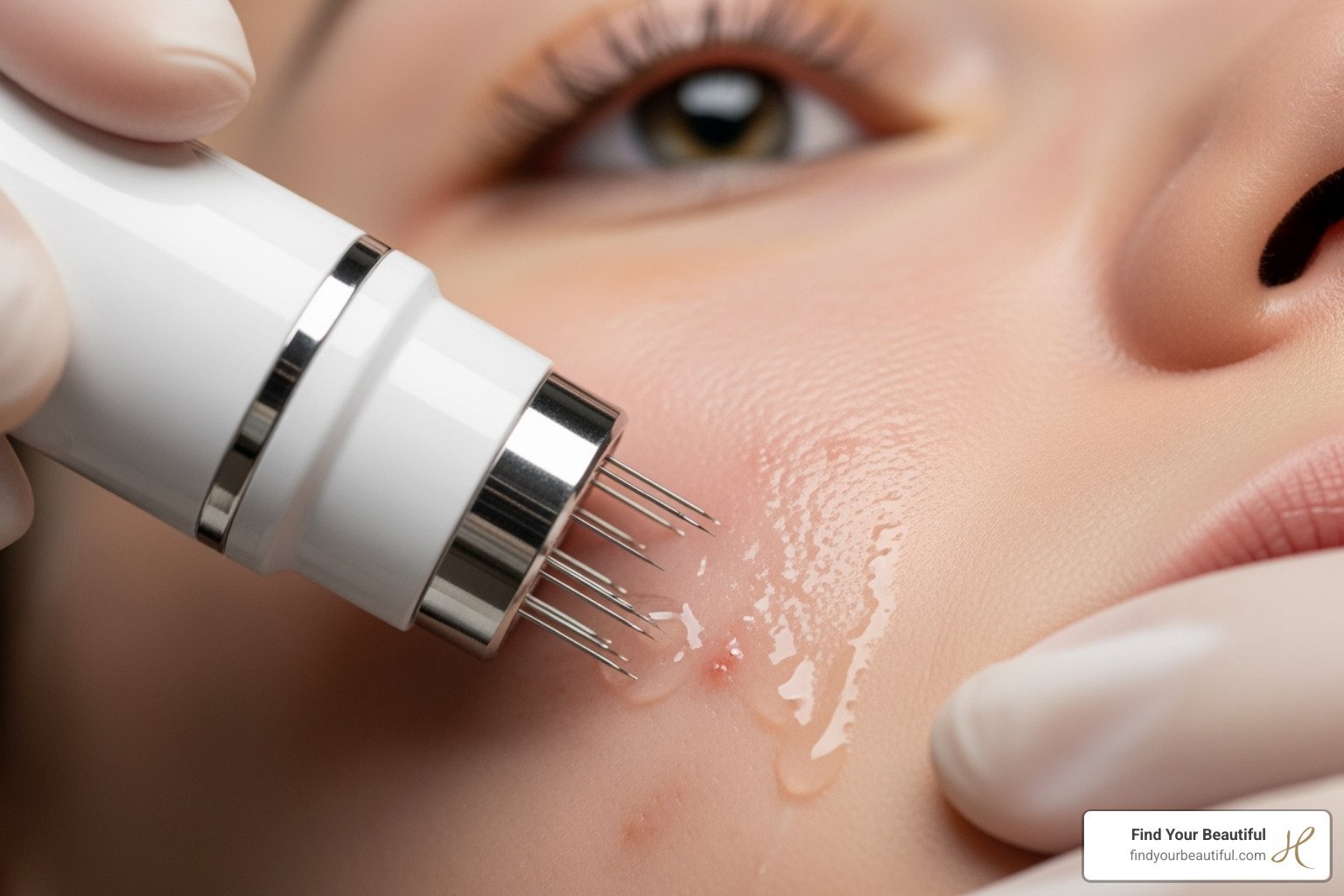
When preventive measures are insufficient to manage texture changes, skincare professionals provide targeted interventions. Dermatologists offer several professional procedures, and these methods target varying depths of the skin. Consulting a specialist helps determine which option aligns with your specific scar type. Laser therapy uses specialized devices to safely remove the top layer of skin or stimulate collagen production beneath the surface. These treatments address discoloration and raised areas. Chemical peels use specific acid solutions to remove the outer layers of old skin, revealing a smoother appearance after the treated area heals. In microneedling, professionals use a device with fine needles to create small, controlled punctures in the skin. These punctures encourage natural tissue repair and support the skin’s structure. For indented scars, specialists inject dermal fillers under the skin to temporarily lift the affected area.
Medication Treatments
Managing both active breakouts and the marks they leave behind often involves various topical applications. These products are designed to increase cell turnover and gradually reduce discoloration. Over-the-counter options generally provide gentle exfoliation, but prescription treatments supply more concentrated ingredients for targeted care. Retinoids, which are vitamin A derivatives, are commonly used to promote faster cellular turnover, helping fade dark spots and achieve a smoother skin texture with consistent use. Salicylic acid is another ingredient frequently recommended for acne-prone skin, as it helps clear blocked pores, reduce redness, and exfoliate the skin’s surface. Alpha hydroxy acids (AHAs) such as glycolic acid or lactic acid are valued for their ability to remove dead skin cells, making them particularly helpful in improving the appearance of shallow marks.
Ask About Acne Treatments Today
Dealing with acne scarring is a slow process that requires patience and consistent care. Everyone’s skin responds differently to various topical ingredients and professional procedures, and a qualified dermatologist or skincare professional evaluates your unique situation to recommend a suitable treatment plan. If you notice persistent marks after breakouts, schedule a consultation with a specialist today. Taking action early helps you maintain a healthy, smooth complexion.


Leave a Reply