


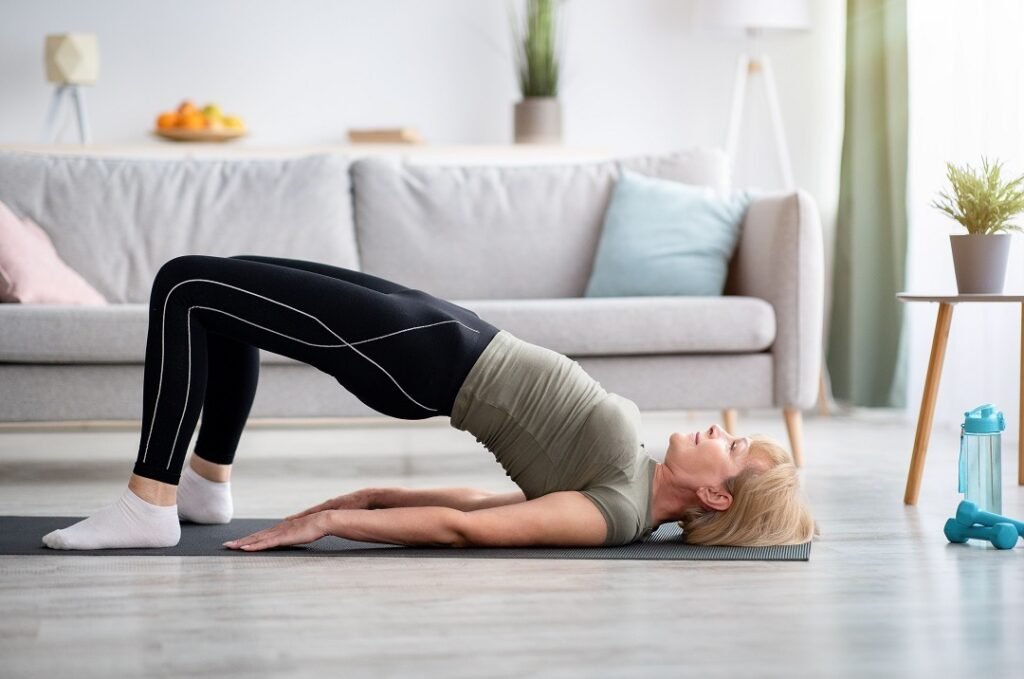
A sinus and nasal specialist plays a key role in diagnosing and managing conditions that affect the sinuses and overall respiratory health. While medical treatment is often necessary, preventive strategies such as regular exercise can also support sinus function and reduce discomfort. Physical activity does sometimes improve circulation, promote drainage, and enhance the immune response, all of which contribute to better sinus health.
1) Relieve Sinuses with Massage
Massaging your face stimulates the tissues over your sensitive cavities, and applying light pressure with your fingertips can promote fluid movement for temporary relief. You can easily perform these massages at your desk or while resting at home, and taking a few minutes to pause helps reduce your overall stress. For best results, contemplate massaging these key areas:
- Cheekbones: Press gently below your cheekbones and sweep your fingers outward toward your ears.
- Forehead: Stroke from the center of your eyebrows toward your temples with steady pressure.
- Bridge of the nose: Pinch lightly and slide your fingers downward along the sides of your nose.
Always use clean hands when you touch your face, and applying a warm compress beforehand sometimes makes the massage more comfortable by softening the skin. Repeat these motions several times until you feel a release in facial pressure. If you experience sharp pain, a sinus and nasal specialist can help identify the underlying cause, so remember that gentle consistency is key to finding relief.
2) Open Nasal Passages With Breathing
Breathing exercises are key to keeping your nasal passages clear. One popular method is alternate nostril breathing, which helps balance airflow through your nose. You can do this by closing one nostril while inhaling through the other, then simply switch sides.
Deep diaphragmatic breathing is another great exercise for your respiratory health. When you draw air deep into your belly, you maximize your oxygen intake, and this helps relax your facial muscles. Practicing this for five minutes daily can reduce pressure-related headaches since relaxed muscles hold less tension.
3) Improve Drainage with Aerobics Exercises
Aerobic exercise raises your heart rate, which naturally helps open your airways. Activities like brisk walking, cycling, or light jogging encourage deeper breathing patterns. When you take in more air, your body works to clear out stagnant mucus.
You do not need to push yourself to exhaustion. Focus on ticking off the list below from your to-do items. The last is very significant, like the others, because it sets the tone for the series of events that follow.
- Aim for 20 minutes of light activity, like walking.
- Drink plenty of water to thin mucus.
- Listen to your body and avoid overexertion.
Provide enough stimulation with the exercises above to get things moving. Make sure hydration is a priority.
4) Maintain Relief With Daily Movement
Regular exercise can help manage chronic discomfort, and low-impact activities are gentle on your joints while still providing respiratory benefits. For example, swimming is a full-body workout that exposes you to humid air, which helps keep your nasal passages from drying out. By incorporating regular, gentle movement into your schedule, you can support your long-term health and find consistent relief.
Stretching also counts as a productive daily movement. You should add a ten-minute stretching session to your morning routine. This habit wakes up your circulatory system and prepares your body for the day. While you stretch your muscles, remember to breathe deeply through your nose.
Contact Sinus and Nasal Specialist
Incorporating these simple exercises into your routine can offer meaningful relief from facial discomfort. Aerobic activities help open your airways, and targeted massages relieve built-up facial tension. If your symptoms persist, you should schedule a visit with a sinus and nasal specialist. A rhinology specialist has the expertise to accurately diagnose chronic issues and can develop a comprehensive treatment plan. Do not let persistent pressure hold you back from enjoying your daily life. Contact a qualified sinus doctor near you today to discuss your symptoms and start your treatment.


Leave a Reply