


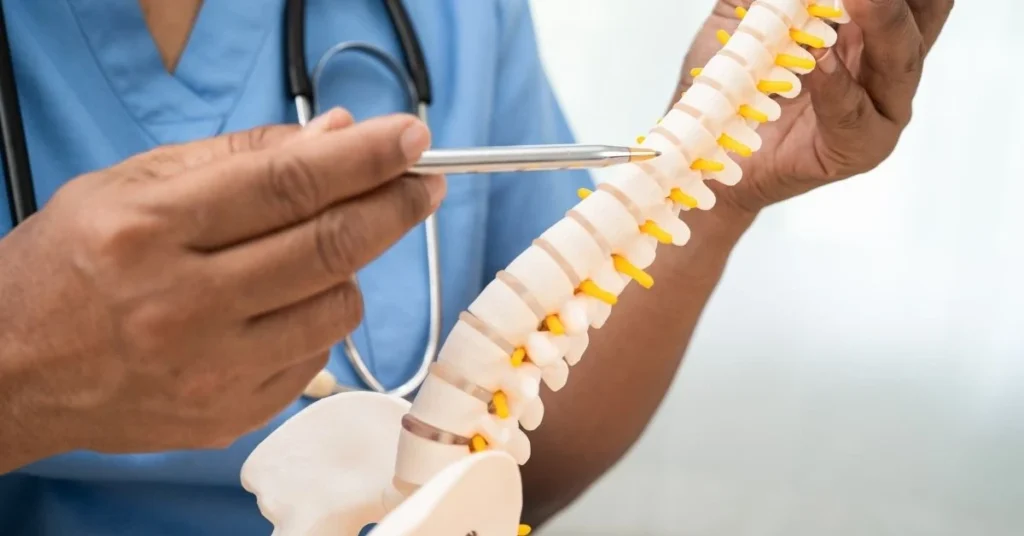
Spinal stenosis affects mobility, comfort, and daily function by compressing the spinal cord or surrounding nerves. While medical treatment may be part of the care plan, certain lifestyle changes often help to manage symptoms and support better long-term function. Here is more information on lifestyle changes that can manage spinal stenosis:
Building Supportive Habits
Developing daily habits tailored to managing spinal stenosis can significantly enhance comfort and mobility. Think about incorporating the following practices into your routine:
- Maintain proper posture: Focus on sitting and standing with your spine aligned to reduce strain and pressure on your back.
- Engage in regular, gentle exercise: Low-impact activities such as walking or swimming can improve flexibility, strengthen muscles, and alleviate discomfort.
- Practice stretching techniques: Incorporate routines that target the back, legs, and hips to relieve tension and enhance flexibility.
- Maintain a healthy weight: A balanced diet and regular physical activity can support overall spinal health.
Committing to these daily behaviors can help patients take a proactive role in managing their condition and improving their well-being.
Reducing Physical Strain
Lifting heavy objects may cause severe strain on your back; bend at the knees and hold them close to your chest. Whenever you lift something heavy, your leg muscles should do the work instead of your spine. Using ergonomic tools makes daily tasks much easier. You can use a long-handled grabber or purchase a shower chair; these tools prevent awkward bending. You must set up your workspace to support your back. A good chair provides lumbar support, and your computer monitor should sit at eye level.
Adjusting Daily Routines
To reduce the risk of symptom flare-ups, it is necessary to adjust your daily routines strategically. Here are key practices you can implement:
- Use ergonomic tools, such as long-handled grabbers or shower chairs, to avoid awkward bending and make daily tasks easier.
- Take regular breaks when working at a desk; stand up and stretch at least once every hour.
- Use orthotic shoe inserts to support the arches of the feet.
- Apply a heating pad to stiff muscles, or use an ice pack on inflamed joints.
- Use stretching routines to keep your muscles loose and flexible.
Incorporating these adjustments into your routines can help you mitigate unnecessary strain and maintain better overall comfort throughout the day.
Knowing When To Seek Support
Sometimes lifestyle changes do not provide enough relief. The pain may become severe, or you may notice numbness in your legs. When your symptoms disrupt your sleep, you should contact an orthopedic specialist immediately.
Medical professionals offer several treatments beyond daily habits. They prescribe physical therapy, and they provide interventional pain treatments. Conservative treatments are fundamental, but surgical options exist. If conservative treatments fail, the specialist may recommend surgery to relieve the nerve compression.
Learn More About Spinal Stenosis
Spinal canal narrowing requires careful management and consistent daily habits. You can change your lifestyle, and these adjustments can reduce your daily discomfort. Beyond lifestyle changes, your spine should also receive proper medical attention. For persistent back pain, contact a qualified orthopedic surgeon in your area to schedule your consultation and learn more about available treatment options.
Leave a Reply