



Pain management has advanced significantly in recent years, offering new possibilities for individuals living with chronic pain. As traditional methods alone may not always provide sufficient relief, innovative approaches are emerging to address the complex and multifaceted nature of persistent discomfort. By integrating advanced medical treatments, technology-driven solutions, and personalized care strategies, modern pain management aims to improve both symptom control and overall quality of life.
Regenerative and Minimally Invasive Therapies
Minimally invasive therapies offer an alternative to traditional surgery. These procedures require smaller incisions, leading to shorter recovery times. Specialists use advanced imaging to guide treatments to the source of discomfort. Regenerative approaches also represent a key area of modern pain management. These techniques use the body’s healing mechanisms to repair tissue and reduce inflammation.
When contemplating your options, it’s helpful to understand the available procedures. These interventions focus on maximizing relief while minimizing risks. They also allow patients to return to daily activities sooner than older methods. Here are a few common solutions offered by specialists:
- Radiofrequency ablation to interrupt specific nerve signals.
- Epidural injections to reduce regional inflammation.
- Joint injections to support comfortable movement.
- Trigger point injections to relax muscle knots.
Technology-Driven Pain Relief Solutions
Advancements in technology have changed how doctors treat chronic discomfort. Spinal cord stimulation (SCS) is an effective tool for individuals with nerve-related issues. The device sends mild electrical pulses to the spinal cord. These pulses interfere with pain signals traveling to the brain. By interrupting these signals, patients often notice fewer daily symptoms.
Another technology uses targeted radiofrequency energy. Providers heat specific nerve tissue to stop the nerve from sending distress signals. The treatment can offer long-lasting comfort for back or neck issues, but you will need a thorough evaluation first. Technology is also key to diagnosis. High-resolution imaging allows your doctor to detect damaged tissue with great accuracy.
Multidisciplinary and Holistic Care Models
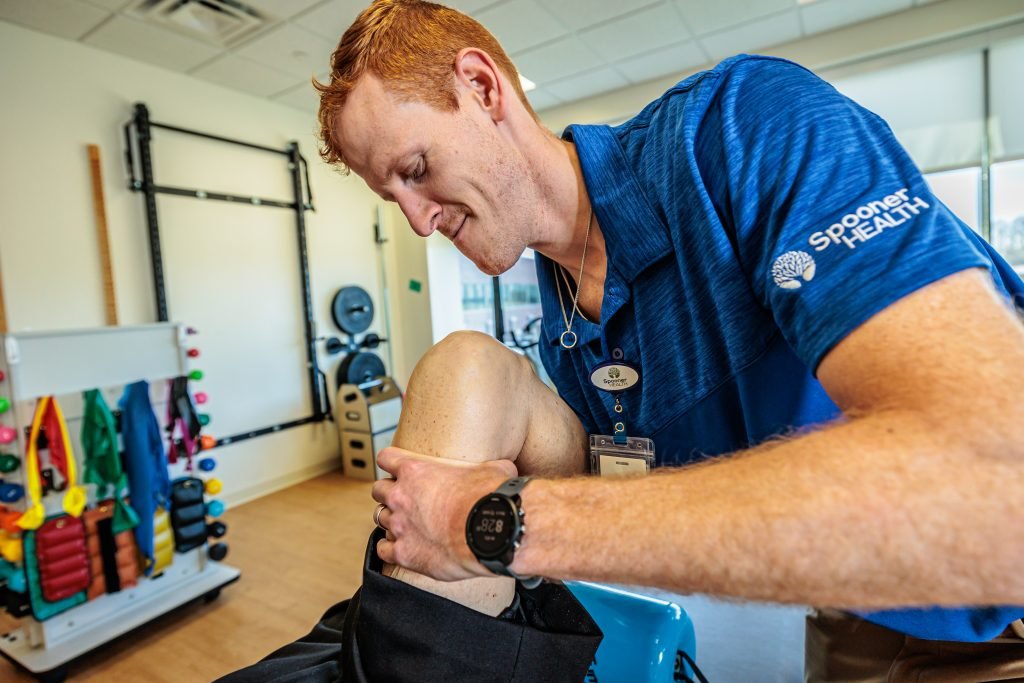
Effective pain management often requires more than one type of treatment. A multidisciplinary approach combines different methods, like medical treatments and physical therapy, to address your needs as a whole person. Psychological support can also help you cope with the daily challenges of chronic pain. Your care team will work together and adjust the plan based on your progress.
Lifestyle factors also influence your physical comfort. Your nutrition, sleep, and activity levels play a key role in how your body responds to treatment, and a comprehensive care plan will offer guidance on healthy habits. For instance, physical therapy can strengthen muscles around a joint and prevent future flare-ups. Your multidisciplinary care plan may include:
- Physical therapy to improve strength and mobility
- Psychological support to manage emotional stress
- Nutritional guidance to reduce inflammation
- Mindfulness practices to help you cope with discomfort
Personalized Treatment Plans and Precision Medicine
Everyone experiences discomfort differently, so your treatment plan should be unique to you. A productive pain therapy program must fit your medical history and lifestyle goals. Precision medicine uses your genetics, environment, and habits to create an effective strategy. Your doctor will design a blueprint just for you after understanding your specific situation, and this personalized plan often begins with a thorough musculoskeletal assessment.
Once the assessment is complete, your provider will create a targeted pain relief plan. They will monitor your response to treatment and make adjustments as needed. This flexible approach helps you receive the most appropriate care for your healing. This tailored strategy empowers you to actively participate in your recovery.
Schedule Your Pain Management Consultation
Finding an effective path forward requires guidance from a knowledgeable and supportive medical team. When you reach out to a pain specialist, they provide comprehensive pain management services by understanding your unique situation and using evidence-based approaches to help you regain mobility. Schedule a consultation with a specialist near you today for a thorough examination and a personalized treatment plan to help you manage chronic pain effectively.

Leave a Reply