


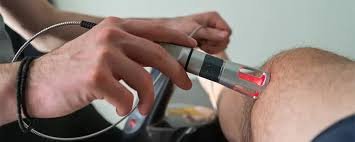
Joint pain and degenerative conditions often reduce mobility and negatively impact daily life. Biologic therapy represents a sophisticated approach designed to address musculoskeletal injuries and joint degeneration. Modern orthopaedics places a strong emphasis on maintaining natural joint anatomy for as long as possible. By using naturally occurring substances found within the human body, physicians can intervene earlier in the disease process. This methodology offers a pathway to restore function and reduce discomfort without immediate reliance on artificial implants.
What Is Biologic Therapy?
Biologic therapy is an advanced medical treatment that leverages natural, human-derived materials to activate the body’s innate repair mechanisms. Medical researchers have identified highly potent substances located in blood, bone marrow, and amniotic fluid. When physicians harvest and concentrate these specific materials, they create powerful restorative agents capable of addressing various tissue injuries.
Instead of introducing synthetic chemicals or artificial components, this treatment supplies the affected area with concentrated doses of natural growth factors. These components work together to accelerate healing, minimize localized pain, and support the return of normal joint function. Providers use these biological tools to promote tissue regeneration in areas that might otherwise heal very slowly due to poor blood supply or extensive damage. This therapeutic approach gives patients a natural avenue for recovery, which aligns closely with the body’s own biological processes to manage joint degradation.
What Joint Disorders Does It Treat?
Physicians apply biologic therapy to a wide spectrum of injuries and degenerative diseases across the musculoskeletal system, which allows orthopaedic specialists to target numerous joints throughout the body. In the knee, biologic treatments offer relief for patients suffering from osteoarthritis, meniscus tears, and patellar tendinitis. Providers also use it to manage bursitis, ligament tears, and cartilage breakdown beneath the kneecap. For hip conditions, the therapy targets osteoarthritis, labrum tears, and piriformis syndrome. The upper extremities also benefit from these concentrated healing agents. In the shoulder region, physicians treat rotator cuff tendinitis, arthritis, and biceps tendinitis. For elbow injuries, the therapy effectively addresses chronic tendon issues like tennis elbow and golfer’s elbow.
What Does the Process Involve?
The specific methods used in biologic therapy vary depending on the patient’s individual diagnosis and the exact materials selected for the procedure. One of the most common techniques utilizes platelet-rich plasma (PRP). During a PRP treatment, a medical professional draws a small sample of the patient’s own blood. They then place this sample into a centrifuge to isolate the platelets and inject this potent mixture directly into the injured tissue to stimulate rapid recovery.
Other forms of biologic therapy involve specialized cells capable of transforming into various tissue types needed by the body. Stem cells help rebuild damaged structures and trigger accelerated healing in the surrounding area. An orthopaedic surgeon might administer these biologic materials through a direct injection in a clinical setting. In other cases, they may apply the substances during a surgical procedure to augment the operation and speed up postoperative recovery. This dual capability makes biologic treatments highly adaptable to different medical scenarios.
Consult an Orthopedic Specialist
Exploring new medical interventions requires expert guidance and a thorough evaluation of your specific physical condition. An orthopaedic specialist can review your medical history, assess the severity of your joint damage, and determine if biological treatments align with your overall health objectives. Because every patient responds differently to medical therapies, ongoing monitoring remains a standard part of the healing process. Booking an initial consultation allows you to gather personalized information and review the potential benefits for your unique circumstances.


Leave a Reply