


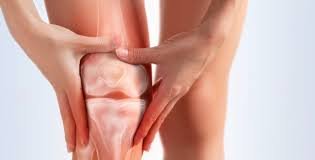
Knee arthritis is a condition that involves inflammation of the knee joint, and often results in pain, stiffness, and decreased mobility that can interfere with daily life. Understanding the condition is a primary step toward managing its effects. With appropriate strategies and medical supervision, individuals can find methods to lessen discomfort and preserve an active lifestyle.
What Is Knee Arthritis?
Arthritis is a term for conditions affecting the joints. In the knee, it involves the deterioration of cartilage, the smooth tissue that cushions the ends of the bones and allows for fluid movement. When this cartilage wears down, bones may rub together.
Several types of arthritis can affect the knee. The most common is osteoarthritis, which is a degenerative condition that develops as knee cartilage gradually diminishes over time. Rheumatoid arthritis is an autoimmune disease where the body’s immune system attacks the joint lining, causing inflammation that damages both cartilage and bone.
The signs of knee arthritis tend to develop slowly. Common indicators include pain that intensifies with activity, swelling, tenderness, and a feeling of warmth in the joint. A person may also experience a reduction in the knee’s flexibility, making it difficult to fully bend or straighten. Some people report a locking sensation or hear clicking sounds during movement.
How Can Symptoms Be Managed?
Managing knee arthritis symptoms typically involves a combination of life adjustments and self-care practices. Low-impact exercise is often recommended as a lifestyle modification. Regular physical activity strengthens the muscles supporting the knee, which helps to absorb shock and stabilize the joint. Stretching can also enhance flexibility, helping to decrease stiffness.
Maintaining a healthy weight is another key aspect of managing symptoms, as excess body weight applies more pressure to the knee joints. Losing weight can reduce this pressure, leading to a noticeable reduction in pain and better joint function. Assistive devices may lessen the load on the knee. A cane or walker can improve stability and reduce force on the joint during walking. Wearing a brace or knee sleeve might provide support and aid alignment.
What Does Treatment Involve?
When lifestyle adjustments do not offer enough relief, a medical professional may suggest specific treatments based on the arthritis type, symptom severity, and overall health. Medications are often used to manage pain and inflammation. Over-the-counter options like nonsteroidal anti-inflammatory drugs (NSAIDs) can be effective, and injections directly into the knee joint are another form of treatment.
Physical therapy provides a structured program to improve knee function. A physical therapist creates a personalized exercise plan to strengthen muscles, increase range of motion, and improve stability. When conservative treatments are no longer effective, more direct approaches may be utilized. One minimally invasive procedure is genicular artery embolization (GAE), which reduces blood flow to the inflamed knee lining to decrease pain.
Meet With a Medical Professional
Effective management of knee arthritis is achieved through a partnership with a healthcare provider. A medical professional can deliver an accurate diagnosis and create a comprehensive management plan. This plan is tailored to the specific type and stage of your arthritis. They can give precise guidance on lifestyle factors and the proper use of medications or other treatments. Regular follow-up appointments permit monitoring of your progress, allowing for adjustments to your plan as your needs evolve.
- How to Alleviate Pain and Stiffness Associated With Knee Arthritis
- Understanding the Benefits of Foot and Ankle Surgery for Chronic Pain Relief
- How Lifestyle Changes Can Enhance Sciatica Pain Relief
- What to Expect Before and After Your First Botox Treatment
- Understanding Plantar Fasciitis and Its Impact on Heel Pain
Leave a Reply