Tooth loss is a primary concern for many individuals, often resulting from untreated gum disease and other oral health issues. Periodontics, a specialized field within dentistry, focuses on preventing and treating conditions that affect the gums and supporting structures of the teeth. Through targeted periodontal care, tooth loss can often be mitigated, aiding long-term oral health. Here are the roles periodontal care plays in preventing tooth loss:
Early Gum Disease Detection
Gum disease, or periodontal disease, is often the cause of tooth loss among adults. Periodontics emphasizes early detection, where mild forms of gum disease, such as gingivitis, can be identified and addressed before they progress. Regular periodontal evaluations are key to identifying early signs of disease, such as gum inflammation, bleeding, or minor recession. Treatment during the early stages typically includes non-invasive procedures like professional cleanings and improved oral hygiene practices. These interventions can greatly reduce the risk of gum disease advancing to severe forms that threaten tooth stability.
Scaling & Root Planing
Scaling and root planing, often referred to as deep cleaning, are fundamental periodontal procedures for treating gum disease. These techniques target the root cause of periodontal issues by removing accumulated plaque, tartar, and bacterial toxins below the gumline.
Scaling involves thoroughly removing deposits from the tooth surface, while root planing smooths the roots to help the gums reattach and heal. These steps help create an environment less conducive to bacterial growth, promoting healthier gums and stronger tooth support structures. This treatment is particularly effective for individuals with moderate gum disease and is key in halting disease progression.
Maintenance Therapy
Maintenance therapy is key to preventing gum disease from returning after initial treatment. Periodontics involves scheduled follow-ups, during which plaque and tartar are periodically removed and the gums are re-evaluated for signs of inflammation or disease progression. During maintenance appointments, practitioners also guide personalized oral hygiene routines to address specific risk factors. These measures are fundamental to sustaining the benefits of initial periodontal procedures and contributing to the long-term stability of the teeth.
This phase is beneficial for individuals who have undergone a significant periodontal treatment. It preserves oral health and minimizes the risk of future tooth loss.
Advanced Periodontal Treatment Options
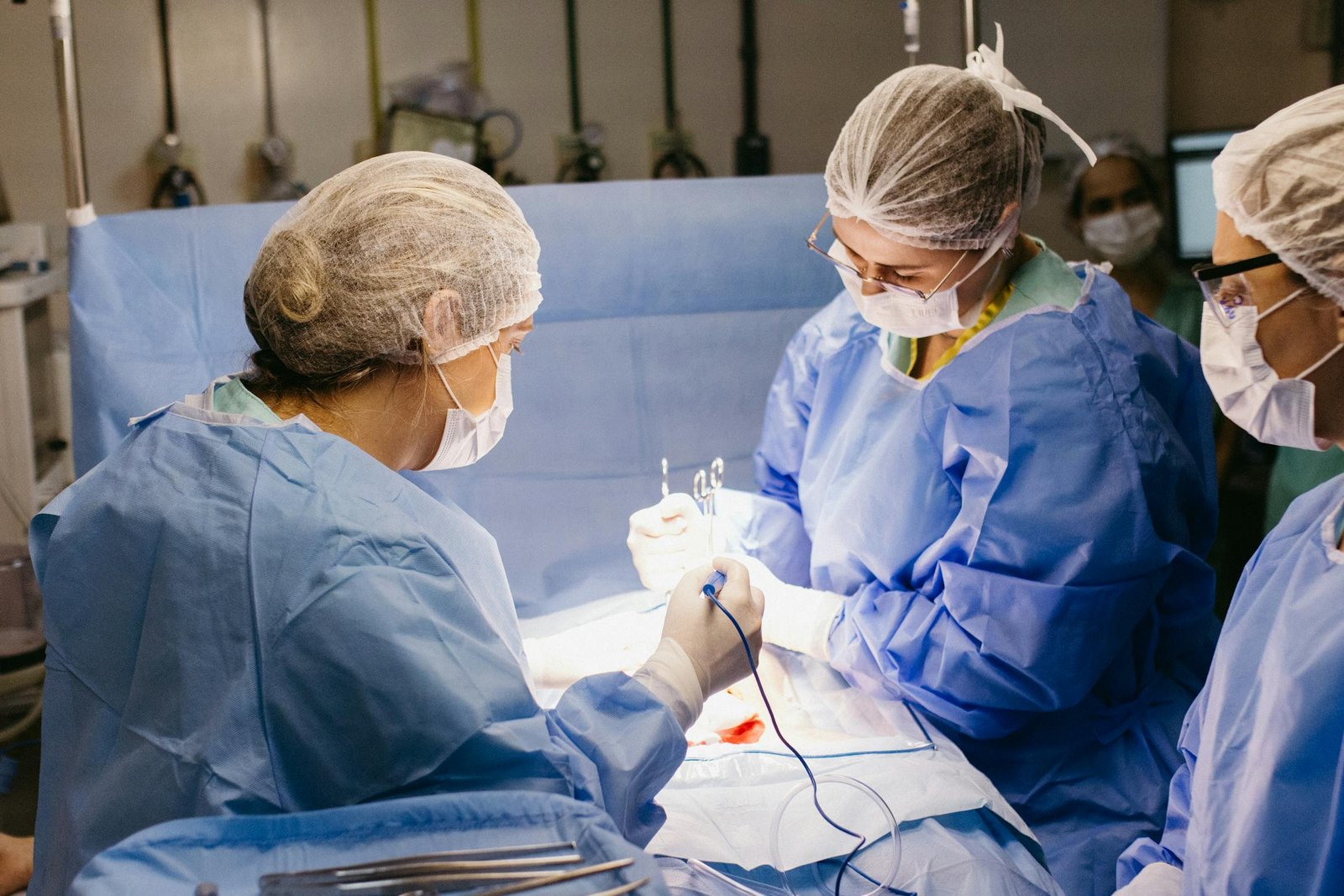
While early intervention and maintenance therapies focus on prevention, certain cases require surgical intervention to address advanced levels of gum disease. Periodontics offers surgical options tailored to advanced periodontal conditions, such as bone loss or deep gum pockets.
Procedures like bone grafting are designed to repair and regenerate the supporting structures around the teeth. Bone grafting helps restore lost bone tissue, providing a stronger foundation for the teeth. These advanced periodontal procedures are integral for individuals with severe gum disease who are at high risk of tooth loss.
Explore the Benefits of Periodontics Today
Periodontics is key in preserving oral health and preventing tooth loss. Through early detection, targeted treatments provide effective solutions for individuals with various stages of gum disease. This may include scaling and root planing, ongoing maintenance, and advanced surgical options. Contact a periodontist to explore the benefits of periodontics and learn more about personalized treatment options.