


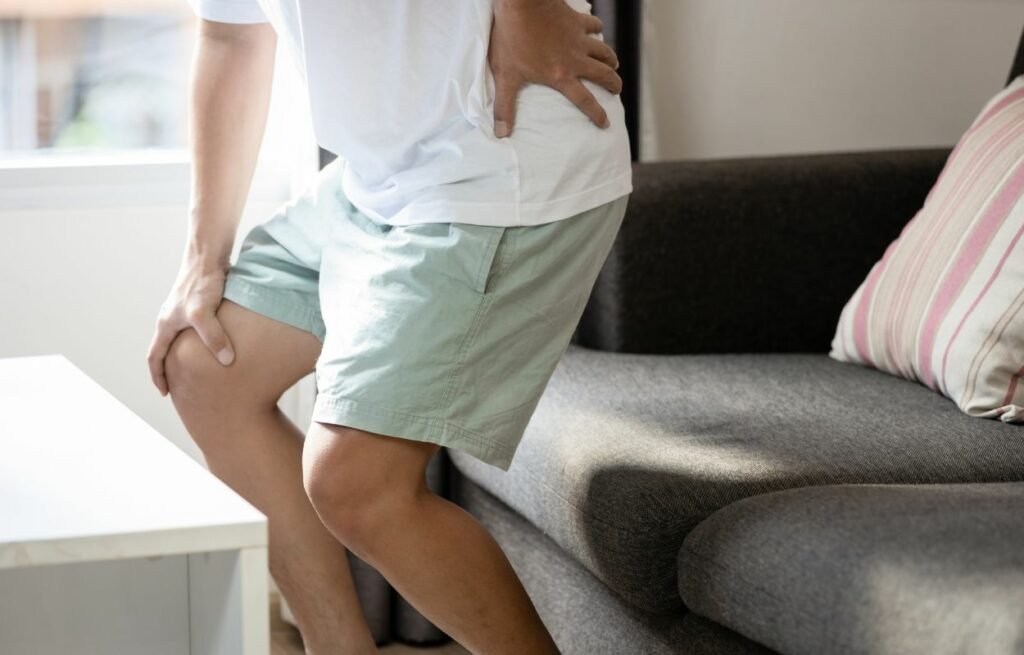
Lifestyle habits play a significant role in how individuals manage ongoing nerve-related discomfort and support long-term recovery. Sciatica pain relief often involves more than short-term symptom control, as routine factors may influence the intensity and frequency of flare-ups. Here’s more information on how lifestyle changes can enhance pain relief for sciatica:
Improving Daily Movement
Maintaining proper body mechanics helps prevent severe nerve irritation. Sitting for extended periods worsens symptoms, making frequent movement helpful. Whenever individuals adjust their posture, they reduce excess pressure on the lower spine. Here are key activities for improving daily movement:
- Maintain proper posture when sitting, standing, or lifting objects to reduce strain on the spine.
- Use ergonomic furniture and tools designed to support spinal alignment.
- Engage in regular stretching to improve flexibility and reduce muscle tension.
- Avoid prolonged sitting by taking frequent breaks to stand, walk, or change positions.
- Lift heavy objects correctly by bending at the knees and keeping the back straight.
These changes support overall sciatica pain relief; consistent movement patterns keep the joints flexible and reduce sciatic nerve compression.
Strengthening Core Muscles
Strong abdominal muscles protect the spinal column from injury. A weak core shifts extra weight to the back, creating an imbalance that can cause sciatic nerve pain. Physical therapists often recommend specific conditioning routines for patients. Planks and bridges build muscular endurance, but patients must perform them with correct form. If an exercise causes a sharp pain, the individual should stop the movement immediately.
Stretching the hips and hamstrings is also helpful. Tight leg muscles pull on the pelvis, which strains the lower back. Low-impact aerobics offers another fundamental conditioning strategy. Walking and swimming increase blood flow to the spinal structures, which aids tissue healing. While resting seems helpful during a sudden flare-up, prolonged inactivity may worsen joint stiffness.
Managing Weight and Strain
Excess body weight places constant mechanical stress on the spine. The extra load compresses the intervertebral discs, and the pressure can trigger sciatica symptoms. A balanced diet aids in strict weight management. Nutrition supports tissue repair, and proper hydration keeps the spinal discs healthy. While dietary changes take significant time, they provide fundamental benefits for the musculoskeletal system. Reducing daily physical strain is equally helpful. Heavy lifting exacerbates a herniated disc, so individuals should always use proper lifting technique.
Supporting Long-Term Spine Health
Long-term spinal care prevents future sciatica flare-ups. The spine naturally ages, but proactive habits may slow physical degeneration. Patients can protect their backs by following these steps:
- Using proper lifting equipment: Avoid repetitive bending and modify tasks to reduce strain on the spine.
- Selecting appropriate physical activities: Opt for low-impact exercises such as cycling or water therapy to prevent excessive spinal loading.
- Avoiding high-impact sports: Activities that jar the vertebrae should be replaced with spine-friendly exercises to protect the nerves and maintain spinal integrity.
- Sleep on a firm mattress: Make sure the mattress provides adequate support to maintain spinal alignment and reduce pressure on the vertebrae during rest.
- Wear supportive footwear: Use well-cushioned, supportive shoes to absorb shock and maintain proper posture, reducing strain on the spine during daily activities.
Practicing these habits promotes a healthy musculoskeletal system. Spinal tissues require consistent care, and lifestyle modifications provide ongoing structural support.
Explore Sciatica Pain Relief Options Today
Maintaining a healthy spine requires daily attention to posture, exercise, and hydration. Proper posture reduces unnecessary strain, while targeted exercises strengthen the core and support spinal alignment. Staying hydrated helps make sure spinal discs remain flexible and function optimally. These lifestyle changes can offer sciatica pain relief and complement professional clinical treatments. Contact a qualified pain specialist near you to schedule your sciatica appointment and explore pain relief options today.

Leave a Reply