


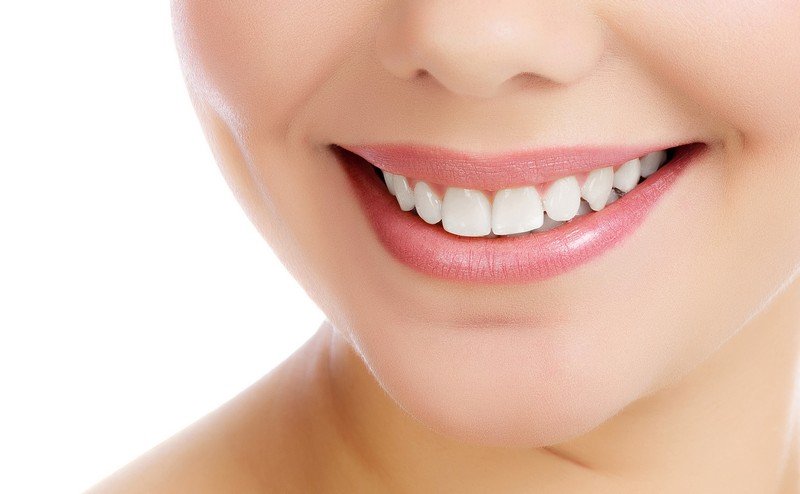
Cosmetic dentistry involves dental procedures that enhance the visual appearance of your teeth, gums, and overall bite. This field prioritizes aesthetic details like tooth color and shape, while restorative dentistry addresses structural issues like missing teeth. Many dental practices provide comprehensive care by offering options in both disciplines. By understanding the different treatments available, you can make informed decisions about your oral care plan. Here’s more information on how a cosmetic dentist can benefit your smile:
Clear Aligners
Clear aligners are a subtle, wire-free alternative to traditional metal braces. Invisalign is a prominent brand of clear aligners that utilizes advanced 3D computer imaging technology to map out a customized sequence of tooth movements. A cosmetic dentist uses this system to correct mild dental concerns, like minor crowding, slight gaps between teeth, and subtle bite misalignments. The custom-fabricated plastic trays fit snugly over the teeth to apply gentle, consistent pressure to specific areas.
You will wear each aligner set for a specified period, and then switch to the next one in your plan. This gradually shifts your teeth into proper alignment in around 12 to 18 months, with proper use. Because the aligner trays are completely removable, you can maintain your normal daily brushing and flossing routine without navigating around brackets. Treatment timelines vary based on the individual, but the transparent material allows the process to remain discreet.
Teeth Whitening and Professional Cleanings
Teeth whitening and professional cleanings serve as foundational components of aesthetic dental maintenance for many people. Routine professional cleanings remove hardened calculus and surface plaque that standard at-home brushing cannot effectively get rid of. Without healthy teeth and gums, you may not be a candidate for other cosmetic dental services. This preventive care step maintains your gum health and reduces surface stains on your teeth.
In-office teeth whitening involves applying a high-concentration peroxide bleaching gel directly to the tooth enamel. These professional treatments target deep stains caused by:
- Dietary Habits
- Natural Aging
- Certain Medications
Dentists apply these treatments in a controlled environment, and you can see immediate changes in your tooth color. If you would prefer a gradual approach, dentists can also provide take-home trays with a lower-concentration bleaching agent to be used over several weeks.
Porcelain Veneers
For more prominent visual alterations, dentists may recommend porcelain veneers. These are ultra-thin, custom-fabricated ceramic shells that fit precisely over the front of your teeth. Dentists use veneers to address a variety of aesthetic concerns, including severe discoloration that resists chemical whitening, chipped enamel, and noticeable spacing irregularities. The porcelain material is durable, and it resists future staining while closely mimicking the light-reflecting properties of natural tooth enamel. Veneers require you to remove a microscopic layer of enamel from your natural teeth, allowing the ceramic shells to sit flush. Once bonded, veneers provide a long-lasting aesthetic change to your smile.
Visit a Cosmetic Dentist Today
Exploring cosmetic dental procedures is easier with professional guidance from a specialist. A cosmetic dentist can assess your oral anatomy, review your dental history, and discuss your aesthetic preferences to create a personalized plan. To learn about your options, contact a cosmetic dentist for a consultation. Whether you are interested in clear aligners for minor structural adjustments or porcelain veneers for a more comprehensive change, professional advice is available. Schedule an appointment with a local dentist to evaluate your needs and establish a treatment plan for your smile.


Leave a Reply