


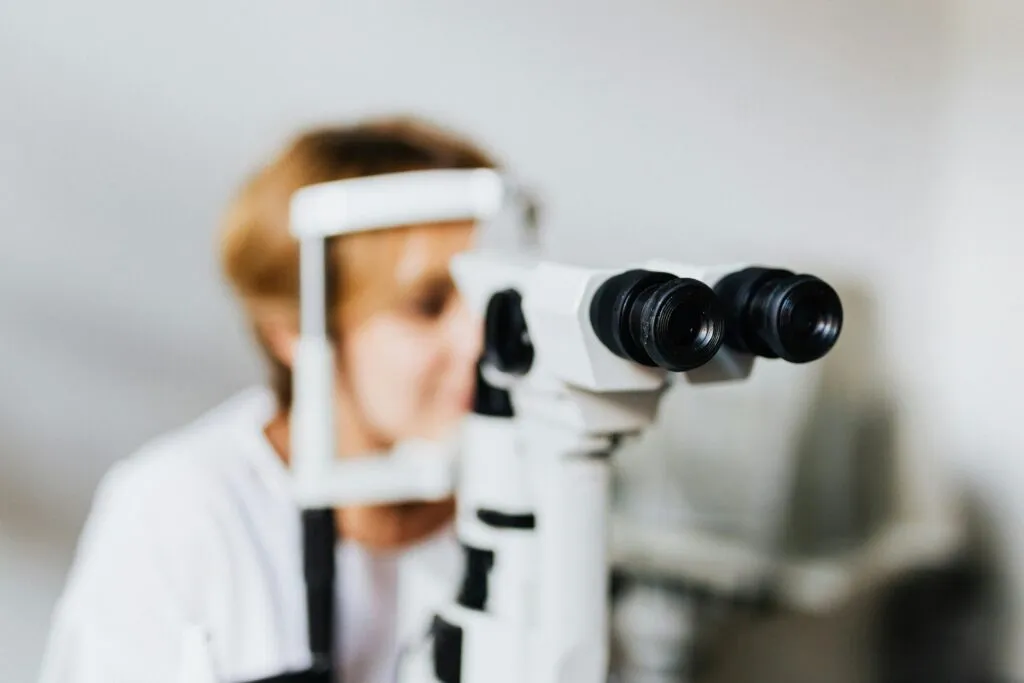
A routine eye exam checks your vision, and it also offers a comprehensive view into your overall health. Your eyes contain blood vessels, nerves, and connective tissues that reflect what is happening throughout your body. This makes a comprehensive eye examination a useful tool for assessing your overall health. This is how an eye exam can help diagnose various issues:
Catching Hidden Issues
An eye exam provides a non-invasive way to look at your blood vessels. This direct view helps an optometrist spot abnormalities that might otherwise go unnoticed. Since the blood vessels in your retina are a good indicator of your body’s vascular health, changes in them might point to underlying conditions. Damage to these vessels may suggest high blood pressure or diabetes.
Certain health problems show early signs in the eyes, and an optometrist may observe these indicators during an examination. Observing these signs early allows for prompt management with a primary care provider, which may lead to better health outcomes.
Identifying Eye Diseases
In some cases, serious eye diseases develop without obvious symptoms in their early stages. Glaucoma slowly damages the optic nerve and typically progresses without pain or initial vision loss. A thorough eye exam measures the pressure inside your eye, and your optometrist can examine your optic nerve for any signs of damage. Early detection is a key part of managing the condition and preserving your sight.
An exam can also detect other conditions, and these include:
- Progressive cataracts, which are a clouding of the lens.
- Diabetic retinopathy, which affects the blood vessels in the retina.
- Macular degeneration, which impacts central vision.
Identifying these diseases before they advance allows for timely intervention. While cataracts might initially cause only minor vision changes, they can eventually lead to significant impairment if left unaddressed. Regular examinations track these changes, helping you and your doctor decide on the right time for treatment. You get a baseline for your eye health, and subsequent exams show any changes over time.
Detecting Neurological Issues
The eyes are directly connected to the brain through the optic nerve. Because of this connection, an exam may reveal signs of neurological conditions. Swelling of the optic nerve may indicate increased pressure inside the skull, which may stem from various neurological problems. An optometrist is typically trained to spot these types of irregularities during a dilated eye exam:
- Optic neuritis, which may signal multiple sclerosis or other conditions.
- Increased pressure, potentially indicating a brain tumor or traumatic injury.
- Stroke, as a visual field change, can be a symptom.
- Pituitary gland disorders, such as tumors, can disrupt vision.
- Neuropathy related to systemic diseases such as diabetes.
Preventing Cancer
Certain types of cancer can be detected through an exam. For some people, a specific type of eye cancer can form in the parts of the eye that you cannot see. A dilated eye exam allows the optometrist to check for any unusual spots or growths inside your eye. Your doctor may also spot signs of other cancers that have spread to the eye from different parts of the body.
Schedule an Eye Exam
Your eyes provide a window into your overall health, revealing more than just your ability to see clearly. An examination offers a valuable opportunity to monitor for a wide range of health issues, from vascular problems to specific eye diseases. If you have questions about your eye health or when to schedule an appointment, contact an optometry clinic to learn more.


Leave a Reply