


Allergies occur when the immune system overreacts to foreign substances that are typically harmless to most people. These substances, known as allergens, include common environmental elements like pollen, pet dander, mold, or dust mites. When an individual is exposed to a specific allergen, their body produces antibodies to neutralize the perceived threat. This underlying immune response leads to inflammation and varying symptoms that are associated with allergic reactions. Here is information on allergists and how they manage chronic respiratory issues effectively:
Managing Chronic Allergies
For many individuals, constant allergic reactions develop into chronic respiratory issues that require structured, professional management to improve daily function. Allergists identify specific environmental triggers and develop targeted, long-term management plans for chronic allergies. One highly effective approach involves allergen immunotherapy, commonly referred to as allergy shots. This clinical process introduces gradually increasing doses of an allergen into the body, and the immune system slowly builds a clinical tolerance to the offending substance.
Over a scheduled period of months or years, patients typically experience a noticeable reduction in their allergic reactions. This immunotherapy method focuses on altering the underlying immune response rather than suppressing daily symptoms with temporary medications. By tracking a patient’s progress, allergists adjust the immunotherapy dosing for optimal efficacy throughout the treatment.
Managing Asthma
Asthma is a persistent chronic condition that inflames and narrows the airways, making regular breathing difficult. Allergists treat this complex condition through comprehensive inhaler medication management and ongoing health evaluations. Patients receive personalized guidance on using daily control inhalers to reduce airway inflammation, and they also learn when to use rescue inhalers for sudden symptom relief.
Allergists prescribe and monitor medication, and they thoroughly assess overall health factors that may contribute to asthma severity. They evaluate daily factors like:
- Environmental Exposures
- Occupational Hazards
- Lifestyle Habits
- Any Other Underlying Health Conditions
For comprehensive care, allergists assess their patients’ complete health profiles to determine strategies that will stabilize airway function and minimize future exacerbations.
Managing a Chronic Cough
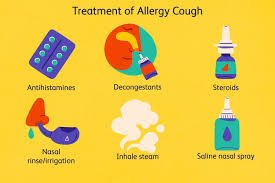
A persistent, chronic cough can stem from constant postnasal drip, prolonged airway inflammation, or previously undiagnosed allergic triggers. Allergists utilize several strategic methods to address this disruptive and irritating symptom. They often recommend specific oral medications to reduce internal inflammation, or they may suggest targeted nasal sprays to minimize upper airway congestion. In cases where the chronic cough is directly linked to environmental allergies, allergy shots may be recommended for effective management. Allergists aim to address the root cause of airway irritation, helping to reduce coughing and allowing patients to experience more restful sleep and comfortable daily routines.
Address Your Allergies Effectively
Navigating chronic respiratory issues requires a structured and informed medical approach. An allergy specialist will do a proper medical evaluation to make sure the individual receives the most appropriate and safe interventions for their specific circumstances. They can provide accurate diagnoses for respiratory triggers and formulate an effective, individualized management plan. If you continually experience persistent respiratory discomfort, schedule a consultation with a certified allergist to discuss a customized management strategy.


Leave a Reply