


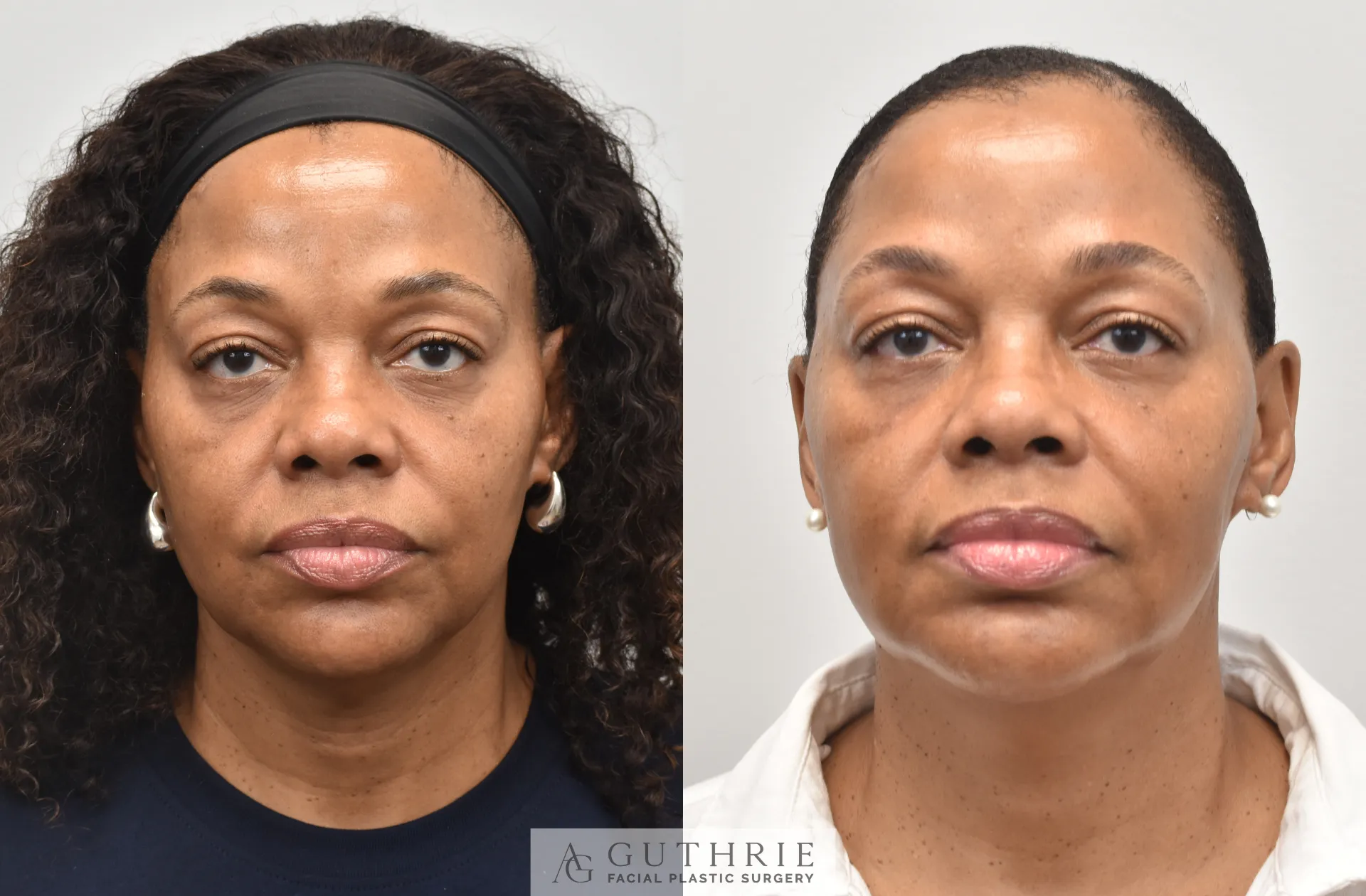
Aging brings natural physical changes to the human body over time. On the face, these changes often appear as volume loss and sagging skin. This physical shift alters the natural proportions of the face. A face lift is a surgical procedure designed to address these exact physical changes and restore balance. Patients gain a renewed facial structure that reflects a more youthful, natural resting appearance.
What Is a Face Lift?
A face lift is a restorative surgical operation. Doctors perform this procedure to lift and tighten facial skin. During the operation, a surgeon elevates the tissues beneath the skin’s surface. This physical manipulation smooths out deep wrinkles and creates a firmer jawline. The exact technique depends entirely on a patient’s specific physical needs and their desired level of improvement.
Medical professionals generally categorize these procedures into traditional and mini face lifts. A traditional face lift involves surgical incisions placed carefully around the ears and extending into the hairline. This specific approach addresses moderate to severe skin laxity across the lower face and the neck. A mini face lift utilizes much smaller incisions positioned behind the ears and targets mild sagging confined to the lower face. Because it is less extensive, a mini face lift typically requires a shorter recovery period. Both surgical approaches aim to rejuvenate the facial structure by returning descended fat and muscle to higher positions on the face.
How Does It Enhance Facial Harmony?
Individuals experiencing visible signs of aging can seek out this cosmetic procedure. Candidates typically present with sagging facial skin, deep facial creases, jowls, or a prominent double chin. Facial harmony refers to the balanced physical proportion of facial features, and aging disrupts this delicate balance by moving volume from the mid-face region down to the lower face and neck. Face lift surgery corrects this physical imbalance. By lifting the underlying tissues upward, the surgeon restores volume to the cheeks and eliminates heavy jowls along the jawline. This upward shift re-establishes a more youthful contour and regains its natural symmetry. The primary goal is always a natural-looking outcome rather than an overly tightened facial appearance.
What Should You Expect?
Preparation dictates a significant portion of the final surgical outcome. Patients must follow specific pre-operative instructions provided by their medical team. These instructions regularly include adjusting current medications and completely avoiding certain dietary supplements. Arranging for a responsible adult companion to drive you home and assist with early recovery tasks can be very beneficial, since a clean, comfortable recovery space at home may facilitate a smoother healing process.
The surgery itself generally takes a few hours to complete. Following the operation, patients experience expected swelling and bruising. These temporary side effects subside gradually over a period of three to four weeks. At this stage, most individuals can comfortably resume their standard daily routines. While the initial recovery takes about a month, complete tissue healing requires much more patience. Final aesthetic results typically become fully visible within three months, but the skin and underlying facial tissues may take up to six full months to settle completely.
Seek Professional Plastic Surgery Care
Choosing to undergo a facial procedure involves careful thought, requiring one to seek expert medical guidance. Meeting with a plastic surgeon helps clarify your surgical options. A qualified medical professional evaluates your unique facial anatomy and recommends an appropriate surgical plan tailored to your specific goals. Proper medical guidance combined with diligent post-operative care leads to lasting facial harmony and structural balance.


Leave a Reply