


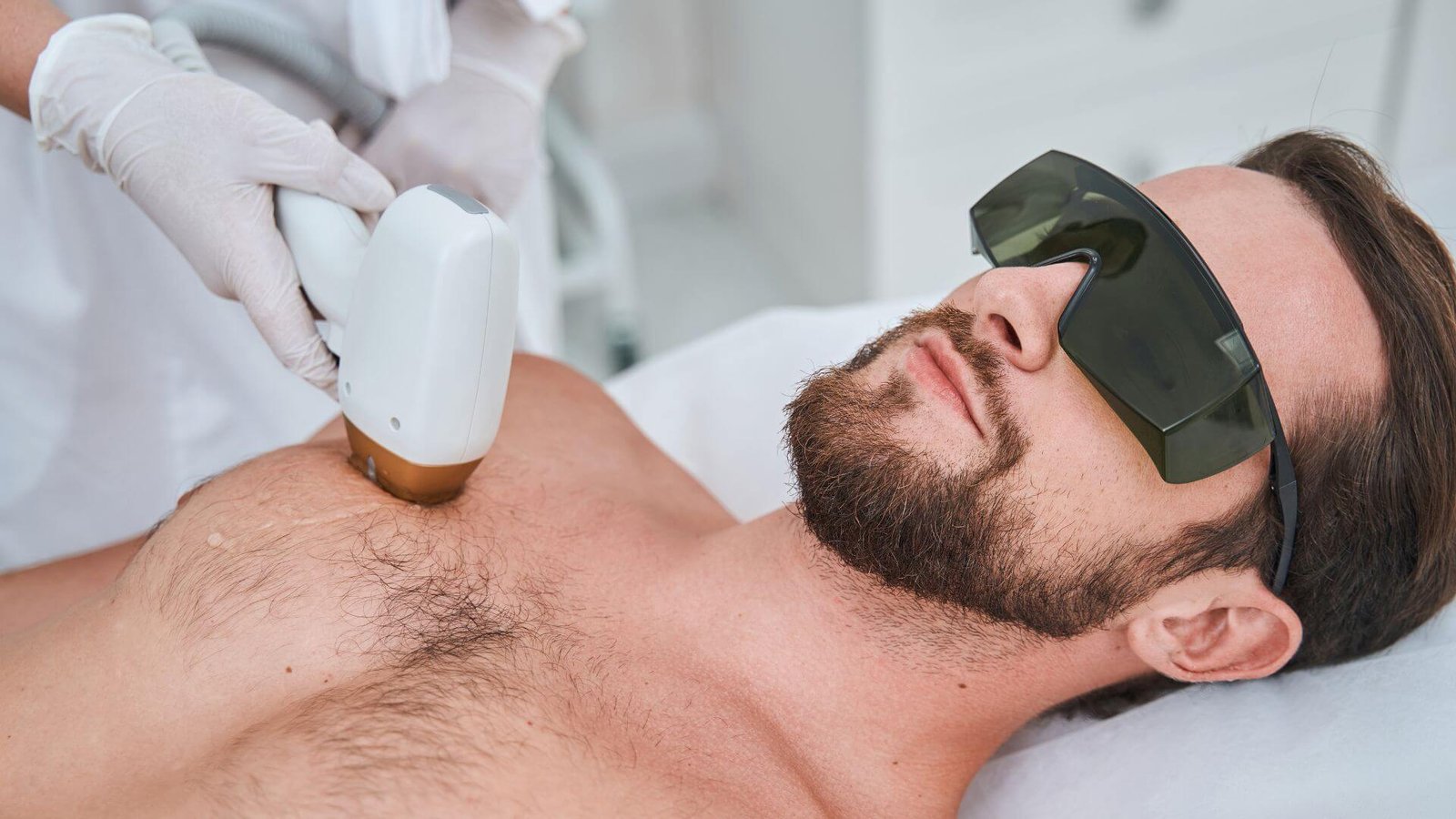
Laser hair removal’s ability to offer a long-lasting solution makes it appealing to many individuals looking for alternatives to shaving, waxing, or other temporary hair removal methods. It is sought out for its precision and convenience compared to traditional hair removal. Understanding how it works and what to expect during and after the process can help individuals determine if they should pursue it.
What Is Laser Hair Removal?
Laser hair removal is a cosmetic procedure designed to reduce body or facial hair through the application of concentrated light energy. A laser emits light that is absorbed by the pigment in the hair. This light energy is converted into heat, which targets and damages the hair follicles responsible for hair growth. This process aims to inhibit hair growth in the treated area over time. It is best suited for individuals with a contrast between hair and skin color, such as darker hair on lighter skin. This is because the laser can better differentiate between the pigment in the hair and the surrounding skin.
What Can It Be Used For?
Laser hair removal is a versatile procedure applied to various parts of the body. It is most commonly used to treat areas such as the legs, underarms, bikini line, upper lip, chin, and back. These areas can be subject to frequent hair removal routines, making a longer-lasting method particularly appealing.
The procedure is not solely about convenience. It can benefit those who experience irritation or discomfort from traditional hair removal methods. Individuals who want smoother skin without the need for constant maintenance may find laser-based removal to be a worthy alternative.
What Does the Process Involve?
During the procedure, the affected area is exposed to a handheld laser device. This device emits controlled pulses of light, targeting hair follicles beneath the skin. Some individuals may feel a mild snapping sensation. This feeling can vary in intensity depending on the laser technology used and the area being treated. Sessions are relatively quick for smaller areas, such as the upper lip. They can take longer for larger sections of the body, like the back or legs.
A full treatment outline may include multiple sessions spaced apart over time. Hair grows in cycles, and the laser targets hairs in their active growth phase. After the procedure, mild redness or swelling in the treated area is typical and usually subsides soon after treatment. The practitioner may suggest specific aftercare, such as avoiding direct sunlight, to promote recovery.
Seek Professional Hair Removal
Laser hair removal is a convenient option for those looking to reduce hair growth in specific areas without the constant upkeep of traditional methods. By understanding the process, its uses, and what to expect before, during, and after the procedure, individuals can make informed decisions about seeking treatment. Working with a trained professional is the best way to achieve effective results while prioritizing safety and comfort. Whether addressing small or large areas, laser-based removal provides a pathway to smoother skin and reduced reliance on frequent hair removal routines.
- Questions to Ask Before Joining a Clinical Study
- A Clear Guide to Choosing and Preparing for a Cancer Clinical Trial
- Choosing Adult Autism Residential Support: A Practical Guide to Daily Life, Safety, and Independence
- Clinical Trial Phases: What Each Stage Means for Participants and Patients
- Clinical Trials: Important Facts Before Patient Participation