


Macular degeneration is a progressive eye condition that can affect central vision and make everyday activities such as reading, driving, and recognizing faces more difficult. Treatment approaches often depend on the type of age-related macular degeneration (AMD), the severity of vision changes, and the patient’s overall eye health. Here is a closer look at the available treatment options for AMD:
Evaluating and Diagnosing Macular Degeneration
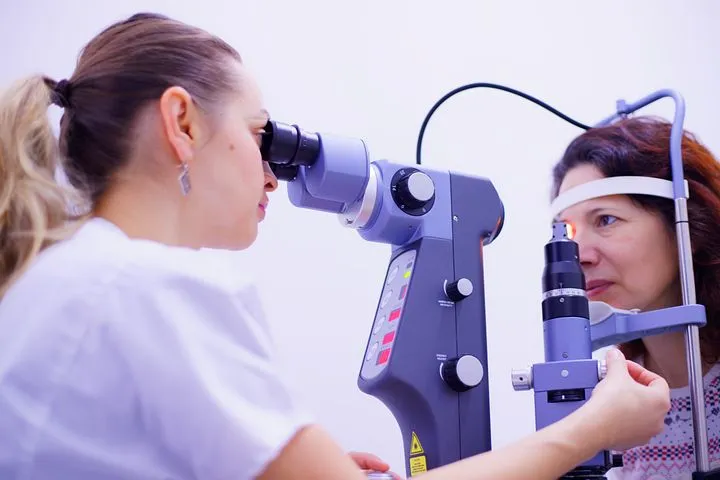
Diagnosing macular degeneration begins with a comprehensive eye exam. An ophthalmologist examines the retina and macula for drusen deposits, tissue erosion, or abnormal blood vessel growth. These findings help determine whether the condition is dry or wet AMD, and they directly guide treatment planning.
Diagnostic imaging plays a fundamental role in the evaluation process. Optical coherence tomography (OCT) provides detailed cross-sectional images of the retina. This allows the doctor to detect fluid, swelling, or structural changes. Fluorescein angiography is another tool that maps blood vessel activity in the retina, and it helps identify leaking vessels associated with wet AMD. Visual acuity tests and the Amsler grid are also helpful screening tools.
Treating Dry AMD
Dry AMD is the more common form of the condition, and while there is no cure, several strategies can slow its progression. The following approaches are widely used in managing dry macular degeneration:
- Nutritional supplements: The Age-Related Eye Disease Study 2 (AREDS2) formula includes vitamins C and E, lutein, zeaxanthin, zinc, and copper.
- Lifestyle modifications: Stopping smoking, maintaining a healthy weight, and managing blood pressure are key steps in reducing risk factors for AMD progression.
- Photobiomodulation therapy (Valeda): This non-invasive light therapy aims to stimulate cellular activity in the retina.
- Routine monitoring: Regular follow-up appointments help detect any transition from dry to wet AMD; early detection is fundamental to preventing significant vision loss.
These options work best when combined consistently and monitored by a specialist over time.
Treating Wet AMD
Wet AMD develops when abnormal blood vessels grow beneath the retina and leak fluid or blood. This form progresses more quickly, and it can cause severe central vision loss. Anti-VEGF (vascular endothelial growth factor) injections are the primary treatment for wet AMD.
Anti-VEGF medications slow the growth of abnormal blood vessels and reduce leakage. A doctor administers these injections directly into the eye, and this is done every four to eight weeks, depending on the patient’s response. Photodynamic therapy (PDT) is another option used in specific cases. It involves injecting a light-sensitive drug into the bloodstream, which accumulates in abnormal blood vessels, and then activating it with a laser to destroy them. PDT is less commonly used today but remains an option when anti-VEGF therapy alone is insufficient.
Supporting Vision Management
Managing macular degeneration extends beyond medical treatment. Practical strategies can help patients maintain their quality of life and independence as the condition progresses. The following tools and approaches support daily functioning:
- Low vision aids: Magnifying glasses, high-contrast lenses, and screen-reading technology help patients perform everyday tasks, such as reading and writing.
- Lighting adjustments: Bright, directed lighting reduces strain and makes it easier to see fine details in the home.
- Occupational therapy: A low-vision specialist can teach adaptive techniques for cooking, managing finances, and safely navigating daily routines.
- Support groups and counseling: Connecting with others who have AMD can help patients manage the emotional and practical challenges of vision loss.
These strategies complement medical treatment and help patients stay active and engaged in their daily lives.
Schedule Your Macular Degeneration Appointment
Macular degeneration is a complex condition, but early diagnosis and the right treatment plan can significantly slow its progression. Dry AMD responds to nutritional supplements, lifestyle changes, and monitoring, while wet AMD requires medical interventions. Vision support strategies can also help patients maintain independence and quality of life. Contact a qualified ophthalmologist near you to schedule your AMD appointment today.



Leave a Reply