


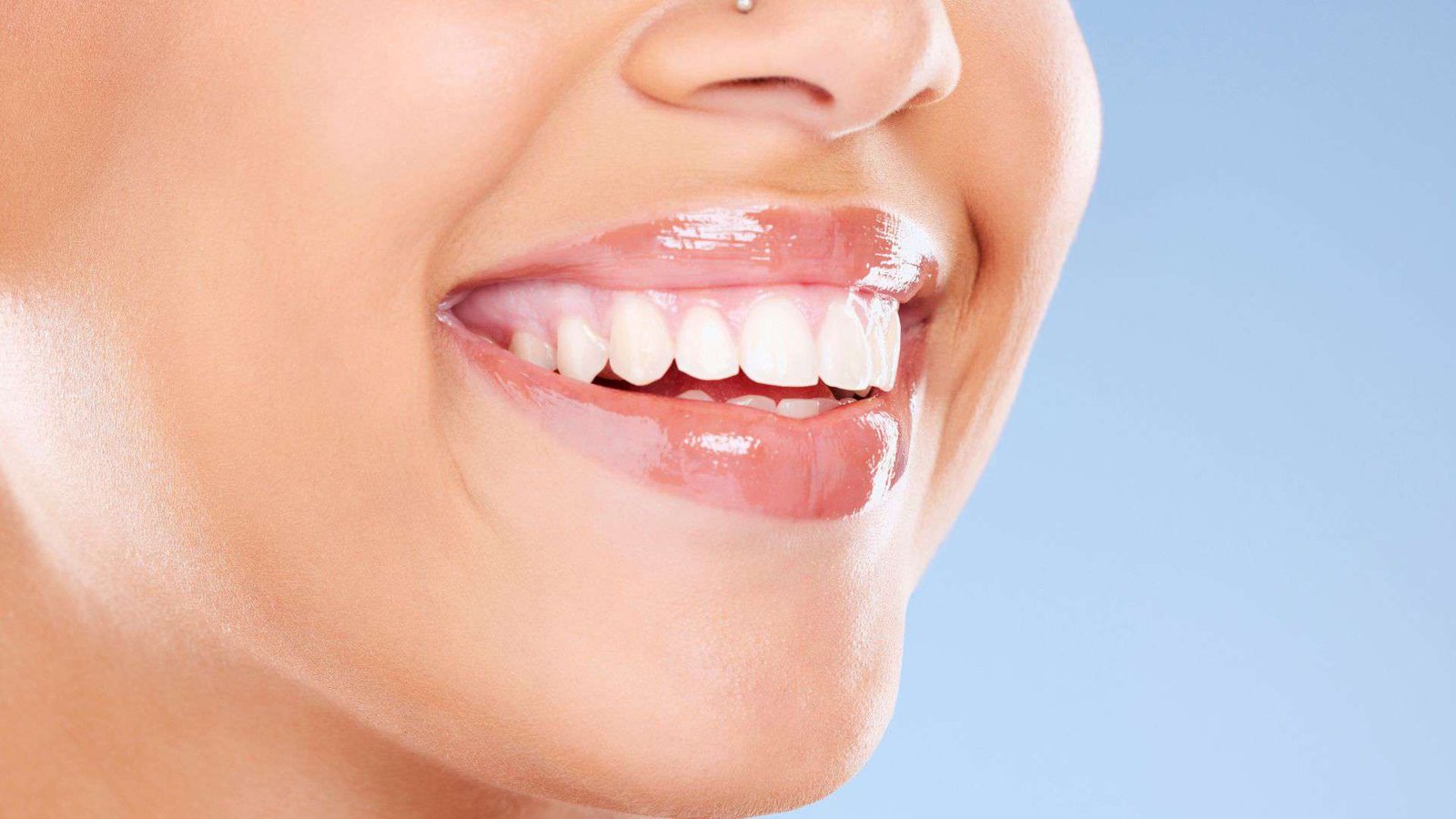
Cosmetic dentistry addresses the visual aspects of a patient’s teeth. While standard dental care focuses on hygiene and structural integrity, aesthetic treatments prioritize symmetry, color, and overall appearance. Patients seek these services to address discoloration, chipped enamel, or gaps between teeth. Understanding the available options allows patients to make informed decisions about their dental care. Advances in dental technology provide numerous ways to modify teeth and enhance a smile.
What Is Cosmetic Dentistry?
Preventive dentistry aims to stop cavities and gum disease before they start, and restorative dentistry repairs teeth after decay or trauma occurs. Cosmetic dentistry specifically targets the visual presentation of a person’s smile. The primary goal centers on aesthetics, rather than strictly treating oral diseases. Individuals who feel comfortable with the appearance of their teeth may display their smiles more frequently. This increased comfort can positively impact a person’s daily interactions.
Aesthetic dental procedures range from minor adjustments to comprehensive restorations. Dentists use various techniques to correct alignment, shape, and color. These treatments cater to diverse needs and allow practitioners to tailor solutions for each patient. By focusing on the visual harmony of the mouth, aesthetic dentistry helps individuals achieve their desired look.
What Services Fall Under It?
Dental professionals offer a wide array of treatments that address aesthetic concerns. The variety of options means there is a suitable approach for nearly every patient, from minor discoloration to complete smile makeovers. Notable procedures include:
- Teeth Whitening: Stains develop over time from coffee, tea, or natural aging. Professional whitening treatments remove deep stains and lighten the overall shade of the teeth.
- Fillings and Bonding: Dentists can use composite resin materials that match the natural color of the teeth. These materials repair minor chips and close small gaps.
- Porcelain Veneers: Veneers are thin ceramic shells attached to the front surface of the teeth. They correct severe discoloration, uneven shapes, and minor alignment issues.
- Crowns and Bridges: Crowns cover a damaged tooth entirely, restoring its shape and appearance. Bridges replace missing teeth by anchoring artificial teeth to adjacent natural ones.
- Implants: Implants offer a permanent solution for missing teeth. A titanium post acts as an artificial root, supporting a natural-looking crown.
Some of these aesthetic treatments also provide restorative value. Crowns improve appearance while also protecting weakened teeth.
What Are the Benefits?
Aesthetic dental procedures offer several distinct advantages for patients, and the most immediate result is an improved visual appearance. Removing stains, fixing chips, and filling gaps creates a uniform and symmetrical smile. Feeling satisfied with one’s teeth can lead to better social experiences. Many aesthetic treatments simultaneously enhance oral functionality. Correcting an uneven bite or replacing a missing tooth makes chewing and speaking easier. Implants and crowns strengthen the jaw and protect against bone loss. Aesthetic procedures may also motivate patients to maintain better oral hygiene. After investing in a smile makeover, individuals can adopt stricter brushing and flossing routines to preserve their results. This heightened attention to daily care supports long-term dental health.
Confer With a Dentist
Navigating the various aesthetic dental options requires professional guidance. During a consultation, a dentist examines the patient’s oral health, discusses specific goals, and outlines potential treatment plans. Patients should ask questions about the expected timelines, recovery periods, and materials used during these appointments. Dentists can explain whether a single procedure will suffice or if a combination of treatments will yield the best outcome. Seeking advice from a qualified dental professional sets the foundation for a successful treatment experience. A thorough assessment helps to guarantee that any chosen procedure aligns with the patient’s structural needs and achieves their aesthetic desires.



Leave a Reply