


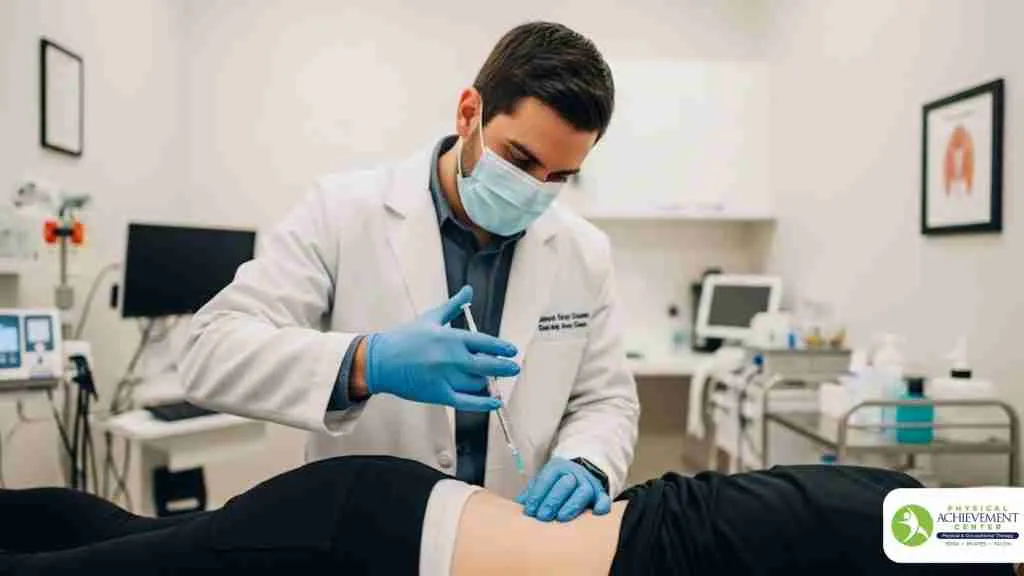
Orthopedic care involves the treatment of the musculoskeletal system and its related structures. Back pain affects many adults worldwide, and specialized doctors offer numerous non-surgical treatment paths. Because surgical interventions carry risks, medical professionals routinely suggest conservative approaches to pain management first. Here are some non-surgical options that may effectively manage back pain:
Anti-inflammatory Medications
Nonsteroidal anti-inflammatory drugs address a variety of mild to moderate daily back issues. While these oral pills are used to reduce internal inflammation, patients typically take them together with food. Over-the-counter options are available, and doctors regularly prescribe much stronger versions. A strict dosing schedule limits the risks associated with daily pain management.
Physical Therapy
Physical therapy builds core abdominal strength, and it aims to improve overall joint flexibility over time. When patients perform targeted movement exercises, they support their spinal structures. A trained physical therapist carefully guides the daily stretching routine during each clinic session. The clinical provider demonstrates proper techniques, and the patient repeats the exact motions.
If back discomfort continues during the sessions, clinicians safely modify the prescribed workout plan. Consistent bodily movement helps loosen extremely stiff muscle groups over a period of weeks. The rehabilitation therapy requires immense dedication, but individuals learn these correct daily posture techniques quickly. Maintaining proper spinal alignment throughout the day limits future structural damage to the back.
Local orthopedic clinics typically supply highly specialized athletic equipment for these targeted back exercises. Clinical machines assist the rehabilitation process, yet basic bodyweight movements remain highly effective. While therapists utilize external resistance bands, they heavily rely on proper anatomical positioning. Dedicated providers monitor the physical progress of the patient at every single appointment.
Epidural Steroid Injections
Epidural steroid injections target specific inflamed nerve roots, and they aim to reduce localized tissue swelling. Physicians deliver the concentrated medication directly into the exact space. Before the specialist administers the spinal shot, they typically use advanced fluoroscopic imaging technology. This precise live X-ray guidance prevents unnecessary damage to surrounding healthy nerve tissues.
Because the outpatient procedure involves medical needles, providers completely numb the skin beforehand. The soothing medicine acts quickly, or it occasionally takes a few days. Treated patients typically rest briefly in a recovery room following the clinical procedure. Medical staff check vital signs repeatedly, and they discharge the individual shortly afterward.
Localized Nerve Blocks
When medical doctors use localized nerve blocks, they intentionally interrupt traveling pain signals. The methodical treatment includes a few highly specific clinical steps:
- Identifying the exact affected nerve bundle
- Injecting the chemical anesthetic solution
- Monitoring the immediate physical response
This specialized method pinpoints the exact pain source, and it aids accurate medical diagnosis. The temporary numbness allows doctors to formulate a targeted therapeutic strategy to help ease back pain.
Find an Orthopedic Clinic
Orthopedic specialists handle complex spine conditions daily, and they understand back anatomy thoroughly. If you experience ongoing physical discomfort, you need a professional medical assessment soon. Specialized doctors evaluate your specific spine condition during an initial comprehensive consultation appointment. Call a local orthopedic clinic near you today to schedule your formal spine evaluation.


Leave a Reply