


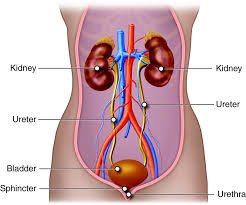
Urology care focuses on diagnosing and managing conditions of the male and female urinary tracts and the male reproductive system. This medical specialty covers major organs like the kidneys, bladder, ureters, and urethra. When you experience issues in these areas, professional urological guidance helps restore normal function. A naturopathic doctor is a type of healthcare provider who emphasizes disease prevention and whole-person wellness. They integrate conventional medical knowledge with natural therapies, aiming to support your body’s inherent mechanisms rather than solely targeting isolated symptoms.
Urinary Tract Infections
Urinary tract infections (UTIs) occur when bacteria enter the urinary system, leading to localized inflammation. UTIs are very common, especially for women or people assigned female at birth, as their urethras are shorter. When evaluating these infections, naturopathic urology doctors look beyond immediate symptoms to understand the overall environment of the urinary tract. They focus on proper hydration, nutritional support, and specific botanical medicines that support the body’s natural defenses. Instead of only addressing the current infection, their goal is to optimize your overall health and identify potential dietary or lifestyle factors that might contribute to recurring issues.
UTIs commonly present with a persistent, urgent need to urinate, accompanied by a sharp burning sensation during urination. You might also notice cloudy, dark, or strong-smelling urine. Urinary tract infections can cause significant physical discomfort, and they often disrupt your daily routine if left unaddressed. Frequent trips to the bathroom can interrupt your work schedule and severely impact your sleep quality. Prompt attention is necessary to manage these symptoms and prevent the infection from spreading further up into the kidneys.
Kidney Stones
Kidney stones are hard deposits made of minerals and salts that form inside your kidneys. When these solid masses begin to move through the narrow tubes of the urinary tract, they can cause sudden, severe pain in the back, side, or lower abdomen. Other common symptoms include persistent nausea and vomiting, and your urine may change color due to the presence of blood. Small stones sometimes pass through the urinary system without intervention, but larger stones generally require professional medical care. Recognizing these symptoms early allows you to seek the appropriate guidance for pain management and safe removal.
Benign Prostatic Hyperplasia
Benign prostatic hyperplasia (BPH) is a common, non-cancerous enlargement of the prostate gland that can affect men and people assigned male at birth. As the prostate grows, it can press against the urethra and physically block the normal flow of urine. This physical change leads to various urinary effects, such as:
- Difficulty Starting Urination
- A Weak Urine Stream
- Sudden Need To Urinate More at Night
Benign prostatic hyperplasia frequently affects older men, so regular medical screenings remain a key part of comprehensive healthcare. Treatments for BPH range from simple lifestyle modifications and dietary adjustments to prescription medications that help relax the bladder muscles. In more advanced cases, a urologist might recommend minimally invasive surgical procedures to reduce prostate tissue and restore a healthy urinary flow.
Visit a Urology Practice
Managing your urological health requires proper attention and expert evaluation; when symptoms occur, you need timely interventions. If you experience any of the symptoms associated with urinary tract infections, kidney stones, or an enlarged prostate, schedule a consultation today. A urologist or a naturopathic doctor specializing in urology can assess your health and determine which treatments are appropriate. Healthcare professionals will work closely with you to determine the most effective approach for your specific medical needs.


Leave a Reply