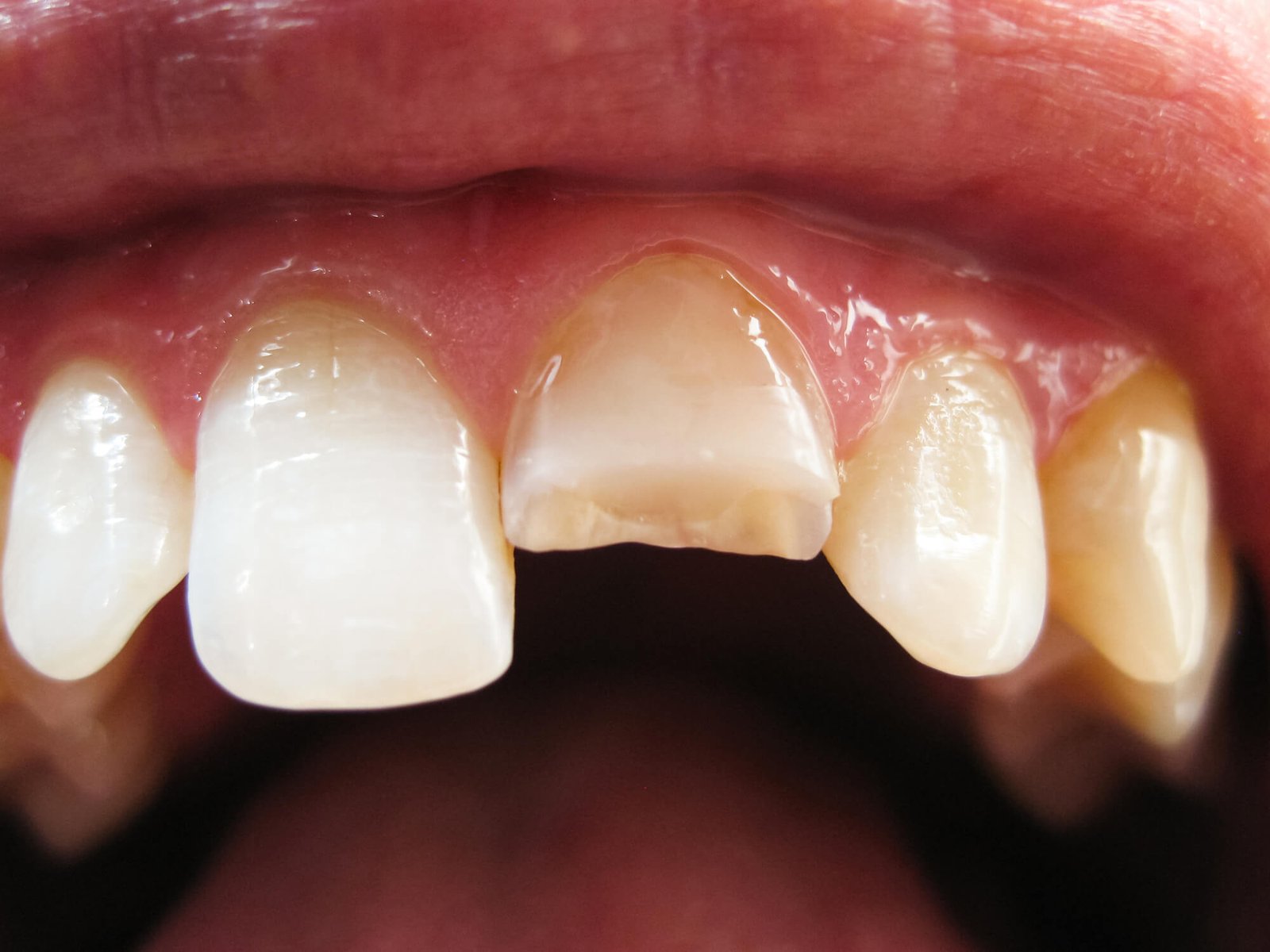
A cracked tooth occurs when a fracture develops within the tooth structure, and it requires professional clinical evaluation. Recognizing the clinical signs of a fracture guides patients toward appropriate care, enabling them to seek timely endodontic assessment. Here is more information on cracked teeth and standard therapeutic approaches:
What Are Cracked Teeth?
Cracked teeth involve a physical break in the hard tissue of the tooth, varying in depth and location. The break either remains superficial in the enamel or extends deep into the sensitive pulp chamber. Endodontists use specialized diagnostic tools to locate these hidden fractures, and they determine the exact severity of the structural damage. Early detection helps prevent further deterioration of the tooth structure.
What Are the Different Types?
Endodontists categorize tooth fractures based on their physical characteristics, which dictate the required clinical intervention. Proper identification guides the clinical approach. A treatable cracked tooth features a fracture that extends from the chewing surface downward, but it does not separate the tooth into multiple pieces. The crack sometimes reaches the gum line and may extend into the root.
Craze lines are microscopic fissures in the outer enamel, and they appear as shallow vertical scratches on the tooth surface. These minor lines cause no functional damage, and adult patients may develop them over time. A fractured cusp occurs when a piece of the chewing surface breaks off, sometimes around an existing dental filling. The fracture may stay above the pulp chamber.
A split tooth represents the progression of an untreated cracked tooth, and it features a complete separation of the tooth segments. The crack extends completely from the surface through the root. Vertical root fractures begin at the root base and extend upward toward the visible chewing surface. Infection may eventually develop in the surrounding bone, necessitating the surgical removal of the fractured root.
What Causes Them?
Several physical factors contribute to tooth fractures. These factors include:
- Excessive biting force
- Chewing hard objects like ice or popcorn kernels
- Chronic teeth grinding
- Extreme temperature changes
Consulting an endodontic specialist helps diagnose the cracked tooth and find a suitable treatment option.
What Are Common Symptoms?
Patients with cracked teeth may report a distinct pattern of discomfort. Sharp pain often occurs while chewing, and it may peak when releasing biting pressure. The affected tooth may also become sensitive to temperature extremes, with patients noticing sudden reactions to hot or cold beverages.
What Are the Treatment Options?
Endodontic specialists evaluate the fracture depth, and they select the appropriate clinical treatment based on this assessment. Minor structural damage requires basic dental bonding. A dentist may place a protective crown over the affected tooth. These restorations hold the fractured pieces together, which helps prevent the crack from spreading further into the dental pulp.
Deeper fractures require more extensive clinical intervention, with root canal therapy becoming necessary when the crack reaches the pulp tissue. The endodontist removes the compromised tissue from inside the tooth, and they seal the internal chamber to prevent subsequent bacterial infection. Severe cases may require specialized endodontic surgery. The specialist may recommend complete extraction if the tooth remains unsalvageable.
Visit an Endodontic Specialist Today
A cracked tooth requires a professional clinical evaluation, with timely intervention potentially improving the chances of saving the natural tooth structure. Endodontists have the diagnostic equipment needed to identify complex fractures. They also offer precise therapeutic solutions. Contact an endodontic practice to schedule an examination and discuss the available treatment options for your specific condition.