


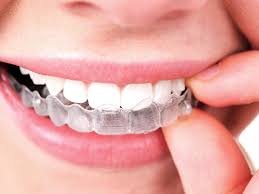
When exploring teeth alignment options, many people come across Invisalign as a modern alternative to traditional braces. While Invisalign is a popular choice, misconceptions about its use and effectiveness persist. Here is more information on three pervasive myths about Invisalign and clarifies the facts to help you make an informed decision:
Which Issues Can Be Helped?
One common belief is that Invisalign can only address minor alignment problems. While Invisalign is effective for simpler cases, advancements in its design allow it to handle more complex orthodontic concerns as well. Modern systems are equipped to treat overbites, underbites, crossbites, and even issues like overcrowding or large gaps between teeth.
Orthodontists now use advanced digital imaging and treatment planning technology to create custom aligners tailored to specific dental structures. This individualized approach provides the ability to manage a wide range of alignment and bite issues. The key to success lies in the expertise of the orthodontist creating the plan, paired with the patient’s commitment to wearing the aligners consistently.
How Long Does It Take?
Some individuals assume that Invisalign treatments take longer compared to traditional braces. This is inaccurate in most cases. Invisalign treatment duration largely depends on the severity of the alignment problem, just as it does with braces. The average treatment time is 12 to 18 months, which is comparable to or even shorter than the timeline for braces in similar cases.
Invisalign can sometimes accelerate results due to the precision of its digital planning tools, which make sure each set of aligners applies the correct amount of force at the right time. It’s also worth noting that aligners allow for greater flexibility with follow-up appointments since patients receive multiple aligners in advance. This avoids the need for frequent in-office wire adjustments that braces require, potentially saving time in the long run.
Is It as Effective as Braces?
Another myth is the belief that braces are more effective than invisible aligners. The truth is that Invisalign can be equally effective when used correctly. Both options rely on the same orthodontic principles of applying gradual pressure to shift teeth into their desired positions over time.
The effectiveness of Invisalign depends primarily on patient compliance. Aligners need to be worn for about 20 to 22 hours daily to achieve predictable results, leaving minimal room for error. When worn consistently and paired with a treatment plan created by a qualified orthodontist, Invisalign delivers reliable and noticeable outcomes. The removable nature of Invisalign aligners makes it easier to maintain dental hygiene, reducing the risk of issues like plaque buildup or gum disease. Patients also experience more comfort due to the absence of metal brackets and wires, which can cause irritation.
Learn More About Invisalign
The myths surrounding Invisalign often stem from outdated perceptions or misunderstandings about its capabilities. Invisalign can handle complex orthodontic cases, deliver results in comparable timeframes to braces, and be just as effective when used correctly. These aligners also come with additional benefits, such as improved comfort, enhanced hygiene, and fewer office visits. If you’re looking into aligners, consult an experienced orthodontist to determine whether they suit your specific needs. Professional expertise combined with patient dedication enables successful treatment outcomes. With clear aligners, achieving a straighter smile can be both efficient and convenient.