

Deciding between Invisalign and traditional braces is a significant choice for individuals seeking orthodontic treatment. Both options offer practical ways to improve your smile and oral health but cater to different needs, preferences, and lifestyles. Here is some information about the key differences to help you make an informed decision for your treatment plan.
Flexibility With Eating
One of the standout features of Invisalign is the ability to remove the clear aligners while eating or drinking anything other than water. This means you can continue enjoying your favorite foods without worry. Sticky, hard, or crunchy foods typically restricted with braces won’t be off the table. For individuals who value food freedom and convenience, Invisalign often seems like a less limiting choice. Traditional braces, on the other hand, require you to avoid certain foods that can damage the brackets or wires. This sometimes makes dining out or preparing meals more complicated than in Invisalign.
Comfort and Fit
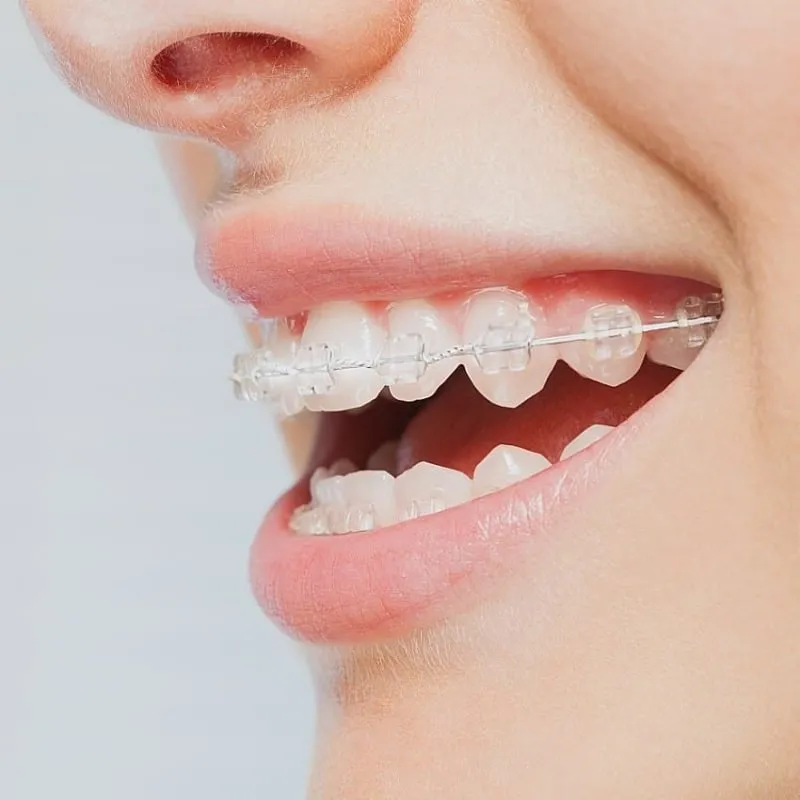
Metal braces have long been a reliable method for straightening teeth. They are also often associated with discomfort, especially during the initial adjustment period or after tightening appointments. The brackets and wires can press against the inside of your cheeks and lips. This often leads to irritation, sores, or general discomfort.
Invisalign is frequently praised as a more comfortable alternative for orthodontic treatment. The custom-made, smooth plastic trays are designed to fit snugly over your teeth, eliminating the risk of metal components irritating the soft tissues in your mouth. Since the aligners are removable, you can easily eat, drink, and brush your teeth, adding to the overall convenience and comfort of the treatment.
Treatment Time
In most cases, Invisalign provides shorter overall treatment timelines than traditional braces. While the exact length of treatment depends on the complexity of your dental needs, many Invisalign users complete their treatment in approximately 12 to 18 months. Invisalign uses a series of custom-designed clear, removable aligners to shift teeth into their ideal positions gradually. This process is often more efficient for mild to moderate cases, making it a popular choice for quicker results.
Orthodontists typically recommend braces for more complex cases. Brackets and wires apply consistent pressure to teeth, gradually correcting their alignment. This process can take 12 months to three years, depending on the severity of the misalignment.
Maintenance and Care
Care routines vary greatly between the two options. You must remove Invisalign trays before eating and clean them regularly to maintain hygiene. To encourage maximum effectiveness, you need to wear aligners for 20 to 22 hours daily. Braces, on the other hand, stay fixed but require you to clean diligently around the brackets and wires to prevent food buildup and plaque. Both options require consistent maintenance, but the effort differs day to day.
Deciding if Invisalign Is the Right Choice for You
The choice between Invisalign and braces depends on your unique needs and lifestyle. Invisalign may suit those looking for comfort, flexibility, and a discreet treatment option. Braces might be a better fit for individuals with more complex orthodontic issues or those who prefer a fixed, no-fuss treatment. Discuss your options with your orthodontist to find the best solution for your smile.