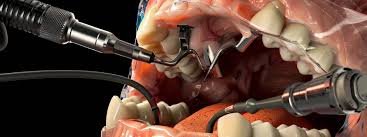
An oral abscess often develops due to a bacterial infection inside the tooth or in the surrounding gum tissue. A dentist typically diagnoses this condition when patients report persistent pain, swelling, or sensitivity in the mouth. The most common signs include a throbbing ache, foul taste, swollen lymph nodes, or difficulty chewing. In some cases, patients notice a visible bump near the affected area, which may release fluid if left untreated.
The infection results from untreated cavities, gum disease, or trauma to the tooth. Once bacteria enter the pulp or gum pockets, the body responds by sending white blood cells to the site, creating a buildup of pus. This pressure can lead to severe discomfort and complications if care is delayed. A dentist performs an examination and often recommends immediate treatment to prevent the spread of infection.
Understanding the Diagnostic Process Used by Dentists
To determine the presence and severity of an abscess, a dentist begins with a clinical exam. They check for swelling, temperature sensitivity, and signs of drainage. Diagnostic imaging, such as dental X-rays, helps identify the location of the infection and whether it has spread to surrounding tissue or bone.
The dentist also evaluates the patient’s medical history and current symptoms to choose the most effective course of action. Imaging allows for a clearer view of any damage inside the tooth, which may influence whether a root canal, drainage, or extraction is the next step. This process ensures that treatment targets the root of the problem and not just the visible symptoms.
Exploring Common Treatment Methods for Oral Abscesses
Once a diagnosis is confirmed, a dentist chooses from several procedures depending on the severity and location of the abscess. In many cases, the first step involves draining the abscess to relieve pressure and remove infected material. This is done through a small incision or by accessing the pulp through the tooth.
If the infection began inside the tooth, a root canal may follow. The dentist removes the damaged tissue, disinfects the canal, and seals it to prevent further infection. When the surrounding gum tissue is the primary source, the dentist may clean the periodontal pockets and use a local antibiotic rinse.
In cases where the tooth cannot be saved, extraction might be recommended. Removing the tooth prevents bacteria from spreading to nearby areas and allows the site to heal. After any of these procedures, patients receive follow-up instructions for managing pain and supporting recovery.
Reviewing the Role of Antibiotics and Aftercare
A dentist often prescribes antibiotics to reduce remaining bacteria and support the healing process. However, antibiotics alone do not eliminate an abscess, which is why drainage or dental intervention remains necessary. These medications serve as a supplement, not a substitute, for physical removal of the infection.
Aftercare includes pain management, improved oral hygiene, and possibly a follow-up appointment. Patients receive guidance on brushing, flossing, and avoiding irritation to the treated area. The dentist checks healing progress and addresses any concerns that arise during recovery. Proper aftercare helps reduce the risk of recurrence and supports overall oral health.
Taking Steps Toward Ongoing Oral Health
Seeing a dentist at the first sign of an oral abscess helps avoid more serious complications. Early treatment preserves teeth, protects the jawbone, and reduces the chance of the infection spreading to other areas of the body. Regular dental visits, consistent hygiene practices, and attention to symptoms are all part of long-term prevention.
A dentist remains the most qualified provider for diagnosing and treating abscesses effectively. If you suspect an infection, seek professional care promptly to begin the right treatment and avoid further damage. Addressing these issues early leads to better outcomes and helps maintain a healthier, pain-free smile.