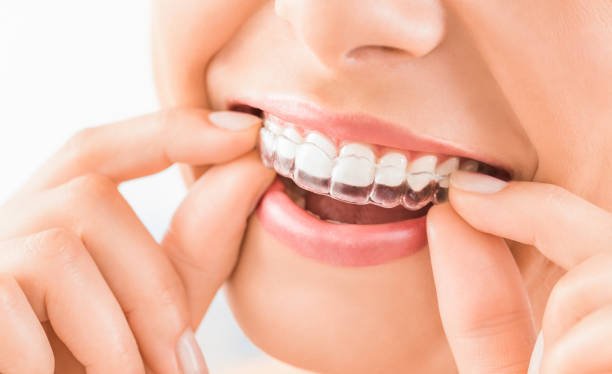
If you are exploring ways to straighten your teeth, you may have come across clear aligners as an option. They have become more common in family dentistry offices and are often suggested for those seeking a subtle alternative to traditional braces. While clear aligners are not suitable for everyone, they offer several practical benefits for many patients. Here’s what you should know if you’re thinking about clear aligners as your solution for mild to moderate teeth straightening:
Clear Aligners Are More Discreet Than Braces
One of the main reasons many people choose clear aligners is that they are less noticeable than metal braces. Made from transparent plastic, aligners fit snugly over your teeth and are almost invisible to people around you. This discreetness appeals to teenagers and adults alike, especially those unsure about having visible orthodontic work.
Each Set Is Custom-Made for Your Smile
Clear aligners are not a one-size-fits-all solution. Your dentist or orthodontist will take digital scans or molds of your teeth to design a customized series of aligners. Because the aligners are custom-made, they are designed to follow a step-by-step plan created for your unique dental needs:
- Consultation and assessment
- Digital scans or impressions
- Treatment plan creation
- Aligner fabrication
- Step-by-step progression
Aligners Are Removable and Comfortable
Clear aligners are designed to fit into your daily life with minimal disruption. They are removable, so you can take them out when eating, drinking, brushing, or flossing. This feature can make maintaining good oral hygiene and enjoying your favorite foods easier. Unlike traditional braces, which can irritate due to wires and brackets, clear aligners are made of smooth plastic. While there might be an initial adjustment period, many patients report less discomfort than with braces.
Treatment Works in Steps With Sequential Wear
Clear aligner therapy is not completed with just one set of trays. Instead, you will receive a series of aligners, each slightly different from the last. Every one or two weeks, you’ll switch to a new set. These small changes gently guide your teeth into better alignment over time. It’s important to follow your dentist’s instructions about wearing your aligners for the recommended number of hours daily and to change them as scheduled.
Best for Mild to Moderate Cases
Not every family dentistry issue is ideal for clear aligners. They are most suitable for treating mild to moderate cases of crowding, spacing, and alignment concerns. Serious bite problems or complex dental shifts might require traditional braces or other treatments. Your dentist can help you understand if clear aligners are a good match for your smile goals.
Find Family Dentistry for Clear Aligners
If you’re considering clear aligners, start by discussing your concerns and goals with your dentist or orthodontist. They can assess your needs, explain your options, and help you decide whether this treatment is right for you. Always ask about expected costs, length of treatment, and what results you might realistically expect. By learning about how clear aligners work and what they offer, you can make a better choice about your dental health. If you’re seeking a straighter smile with more comfort and less visibility, clear aligners may be worth exploring further with your dental professional.