

Key Takeaways
- Dental implants require daily cleaning because plaque can still accumulate around the restoration and irritate the surrounding gums.
- Brush twice daily with a soft-bristled toothbrush and use suitable tools, such as floss, interdental brushes, or a water flosser, to clean hard-to-reach areas.
- Avoid chewing ice, biting hard objects, and other habits that may damage the crown or place excess pressure on the implant.
- Tobacco use, teeth grinding, and existing health conditions can affect gum health, healing, and long-term implant care.
- Regular professional checkups help monitor gum tissue, supporting bone, bite alignment, and the condition of the restoration.
- Bleeding, swelling, persistent bad taste, chewing discomfort, or a loose crown should be evaluated by a dental professional.
- Naples, Florida, patients should follow a personalized maintenance plan based on their oral health, implant type, and individual risk factors.
Dental implants can make eating, speaking, and smiling feel more comfortable again, but the restoration still needs consistent care. For Naples, Florida residents, learning how to care for dental implants is an important part of protecting the gum tissue, bone, and restoration that support a healthy smile. Implants are designed to replace missing teeth, not to eliminate the need for oral hygiene. A practical morning-and-evening routine, mindful habits at meals and social gatherings, and regular professional visits can help patients address small concerns before they become larger ones.
Why Daily Care Matters
An implant crown cannot develop a cavity the way a natural tooth can, but plaque can still accumulate at the gumline. The living gum and bone around the implant remain vulnerable to inflammation, so they need daily attention.
Early inflammation around an implant is often called peri-implant mucositis. When inflammation is accompanied by bone loss, it is known as peri-implantitis. Inflammatory conditions affecting the tissues around dental implants can involve bleeding, tenderness, and changes in the supporting bone. Addressing symptoms early gives a dental professional more options for managing the problem.
Build a Simple Cleaning Routine
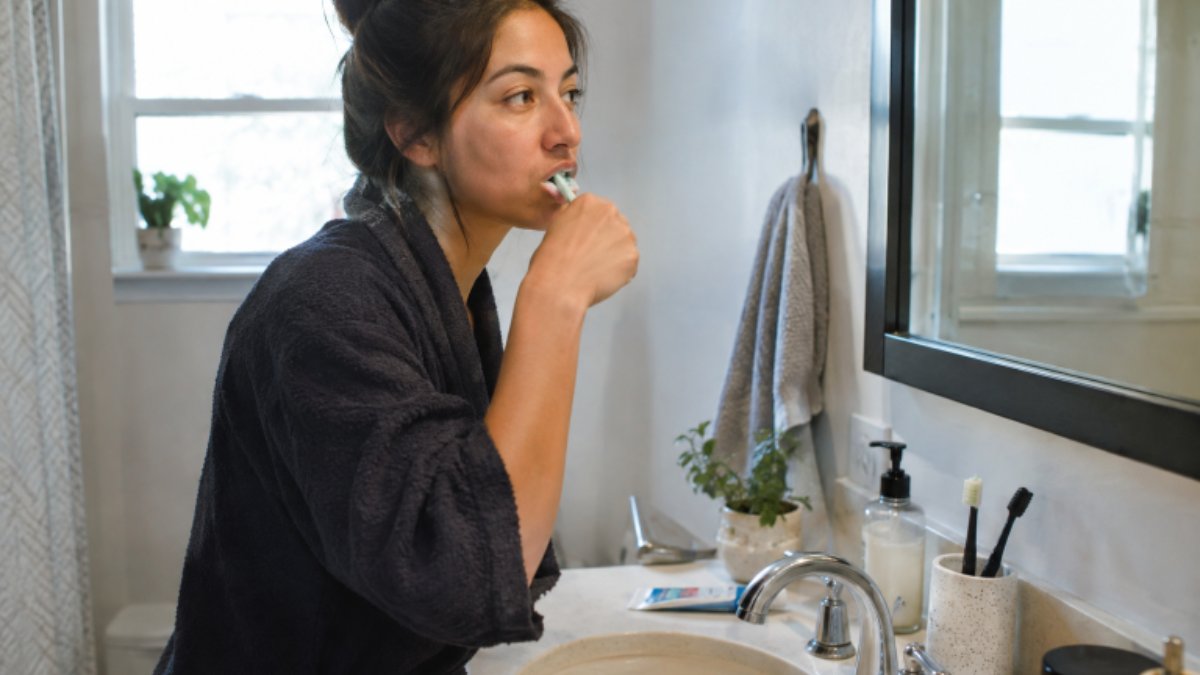
Consistency is usually more useful than an overly complicated routine. Brush twice each day with a soft-bristled toothbrush, using gentle pressure along the gumline where the crown meets the tissue. Take time to clean all surfaces of the implant restoration, neighboring natural teeth, and the tongue. Many people find that two minutes is a helpful brushing target. An electric toothbrush may make it easier to maintain a consistent routine, but a soft-bristled manual toothbrush can also work well when used carefully. Aggressive scrubbing is not necessary and may irritate sensitive gum tissue.
Clean Between Teeth and Around the Implant
Brushing does not always reach narrow spaces between teeth or under certain restorations. Floss, floss threaders, interdental brushes, and water flossers may help remove debris from these areas. The right choice depends on whether a person has a single implant crown, a bridge, or an implant-supported denture. Because plaque can form on crowns, dentures, and implants, cleaning between teeth where brushing cannot reach remains an important part of home care. A dentist or hygienist can demonstrate how to clean around a particular restoration without injuring the gums or forcing a tool into a tight area.
Choose the Right Tools
Marketing alone should not determine which products go into an implant-care routine. A soft toothbrush, an appropriately sized interdental cleaner, and a method for cleaning beneath a bridge or denture are often the essentials. Avoid using toothpicks, pins, or other sharp objects to dislodge food because they can injure gum tissue or damage a restoration.
A Quick Tool Checklist
- Can the tool reach the areas around the restoration where food collects?
- Can it be used gently without causing pain or bleeding from forceful use?
- Has a dental professional shown how to use it for the specific implant restoration?
Protect Implants From Extra Pressure
Implants and their crowns are built to handle normal chewing, but they are not meant for chewing ice, opening packages, biting pens, or cracking hard objects. Those habits can chip a crown, loosen a component, or create unwanted stress on the restoration. Clenching and grinding also deserve attention. A person may first notice a change in their bite, morning jaw soreness, or unusual wear before they notice pain near an implant. A custom night guard may be recommended for some people who grind their teeth during sleep. A loose crown does not automatically mean the implant has failed, but it should be evaluated promptly.
Watch Food and Tobacco Habits
A balanced eating pattern supports general health and helps people maintain the natural teeth around an implant. Meals that include protein, fruits, vegetables, and other nutrient-dense foods are sensible choices, while water can help rinse away loose food particles after eating. No food, beverage, or supplement can replace thorough cleaning and professional care. Tobacco use can interfere with gum health and healing. Anyone who smokes or vapes and wants help changing that habit can discuss practical support options with a physician, dentist, or other qualified health professional.
Keep Regular Checkups
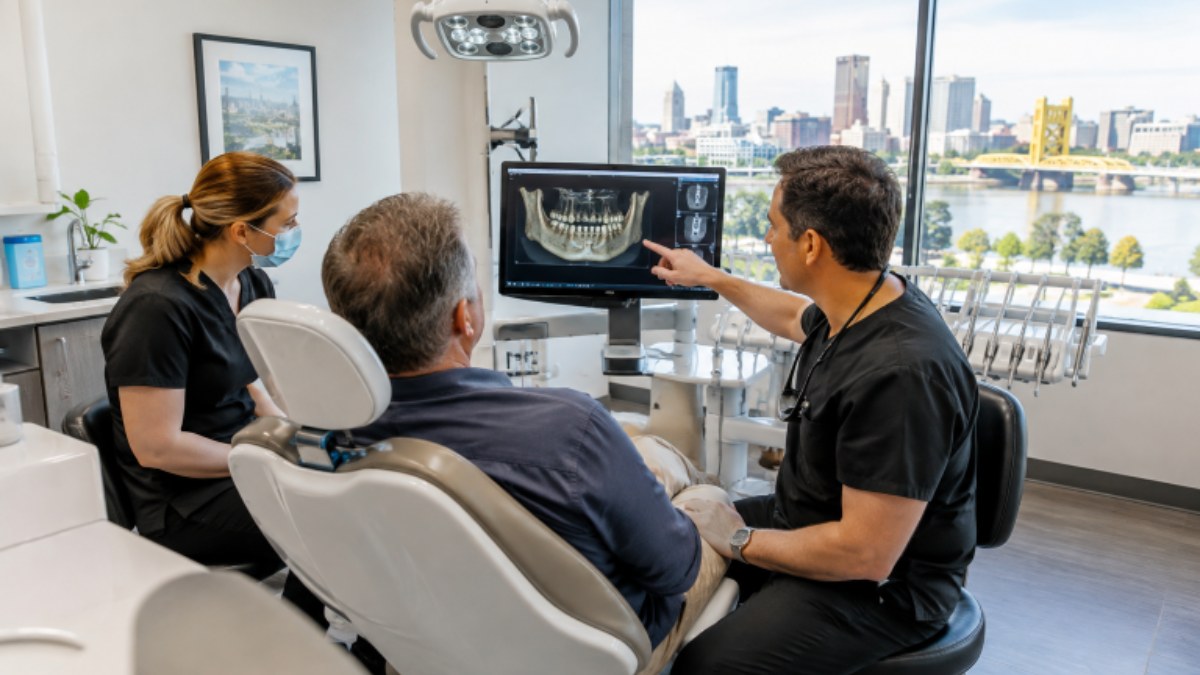
Professional implant maintenance is more than a routine polish. The dental team may assess gum tissue, plaque buildup, bite alignment, restoration condition, and the supporting bone when appropriate. Visit timing varies based on the patient’s health history, restoration type, prior gum disease, diabetes, tobacco use, and grinding habits. Before an appointment, it helps to write down any changes, such as chewing discomfort, bleeding, swelling, bad taste, or a feeling that the bite has shifted. Bring an updated list of medications and ask which home-care tools best fit the restoration.
Spot Warning Signs Early
Contact a dental professional if any of the following changes persist or appear suddenly:
- Bleeding, redness, swelling, or tenderness near the implant.
- Persistent bad breath or an unpleasant taste.
- Drainage, pain while chewing, or visible gum recession.
- A loose crown, bridge, denture, or implant component.
- A noticeable change in how the teeth meet together.
These signs do not prove that an implant has failed. They do signal that an examination may be needed to identify the cause and decide on appropriate next steps.
Common Questions About Implant Care
Do dental implants need to be brushed?
Yes. Daily brushing helps clean the crown and the gumline around it, where plaque and food debris can collect.
Is regular flossing enough?
It may be enough for some restorations, but others are easier to clean with a threader, interdental brush, or water flosser. Technique matters as much as the tool.
How often should implant patients have checkups?
There is no single schedule for every patient. A dental professional can recommend an interval based on individual risks and the type of restoration.
A Small Routine Can Make a Big Difference
Long-term implant care in Naples comes down to steady habits: brush thoroughly, clean between teeth, avoid unnecessary pressure, keep professional appointments, and act quickly when something changes. This general information does not replace a dental examination or personalized advice from the clinician who understands the patient’s oral health history and restoration.
Conclusion
Maintaining dental implants requires consistent daily care and regular professional monitoring. Although an implant crown cannot develop cavities like a natural tooth, plaque can still collect around it and contribute to inflammation or damage to the supporting tissues. Naples, Florida, residents can support long-term implant health by brushing twice a day gently, cleaning between teeth and around restorations, avoiding habits that place unnecessary pressure on the teeth, and attending recommended dental appointments. It is also important to recognize changes such as bleeding, swelling, discomfort, or looseness and seek professional advice rather than ignoring them. Because every patient’s oral health and restoration are different, a dentist or hygienist can recommend suitable cleaning tools and an appropriate checkup schedule. With a practical home-care routine and personalized professional guidance, implant patients can take an active role in protecting their restorations, supporting gum health, and maintaining everyday comfort.
- Daily Habits That Help Dental Implants Last Longer in Naples, Florida
- Full-Arch Dental Implant Planning: What Sacramento, California Patients Should Know
- How To Build Safer, More Useful Personal Care Products
- How to Prepare for an IV Hydration Appointment in Asbury Park, New Jersey
- How to Compare Senior Living Options in Visalia, California