


Key Takeaways
- Bring an up-to-date list of medications, supplements, allergies, and medical conditions.
- Ask who reviews your health history, starts the IV, and monitors you during treatment.
- Use extra caution if you have heart, kidney, electrolyte, or fluid-balance concerns.
- Report discomfort during an infusion instead of trying to wait it out.
- Seek prompt medical care for severe or rapidly worsening symptoms.
From summer beach days and boardwalk walks to busy concert weekends, Asbury Park residents and visitors can have plenty of reasons to think about hydration. If you are considering an IV drip lounge in Asbury Park, preparation should be part of the decision, not an afterthought. An IV session is a medical procedure because it involves placing a small catheter into a vein.
Good preparation means sharing accurate health information, asking direct questions, and having realistic expectations. Elective IV hydration should not replace emergency care, diagnosis, prescribed treatment, regular meals, sleep, or drinking fluids when you are able to do so safely.
Why Preparation Matters
Fluids and other ingredients administered via IV enter the bloodstream directly, so a thoughtful screening process matters. This is especially important if you are arriving after time in the sun, physical activity, alcohol use, illness, or a long trip to the Jersey Shore. Those situations can leave a person tired or unwell, but they can also call for medical evaluation rather than a wellness appointment.
Evidence for many broad wellness claims is limited. A 2025 report on IV hydration spas and their safety described substantial variation in oversight, staffing practices, risk discussions, and advertised benefits. That is a useful reason to focus on transparent information and qualified clinical oversight rather than a menu name alone.
What IV Hydration Is
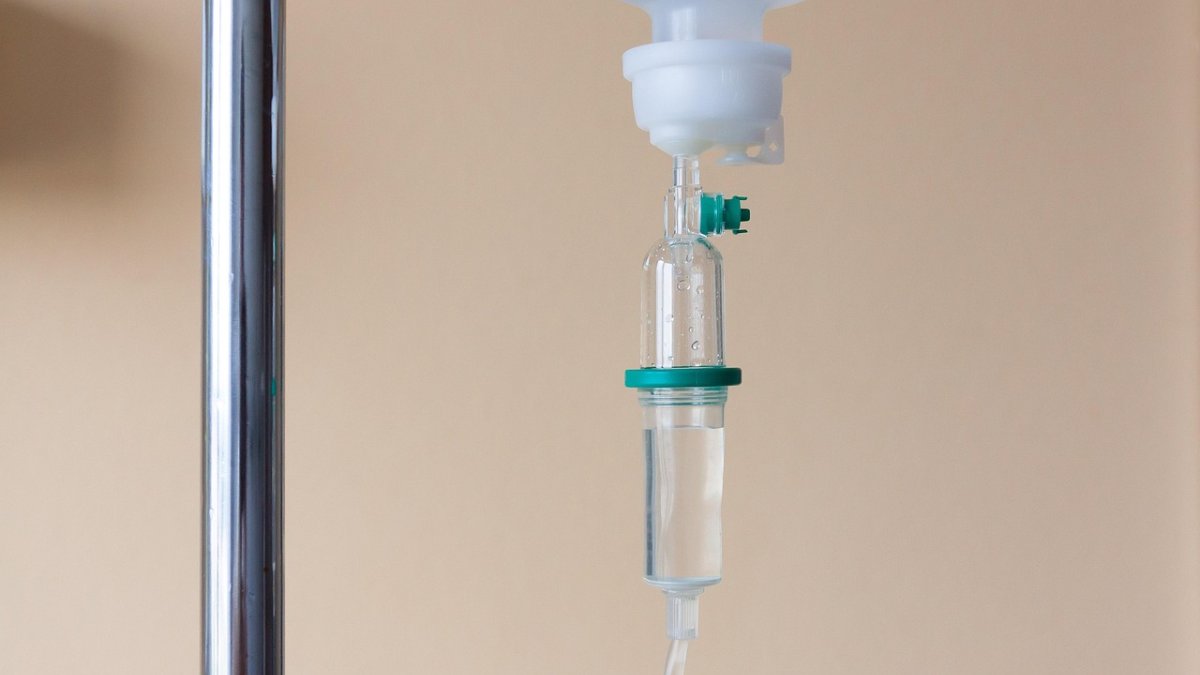
IV hydration uses a catheter placed in a vein to deliver fluids. Depending on the plan and clinical assessment, an infusion may also include electrolytes, vitamins, medications, or other ingredients. The exact contents, amount, and reason for use should be explained before treatment begins.
There is an important difference between IV fluids given for a medical need in a hospital or clinic and an elective infusion chosen for general wellness. A comfortable lounge setting does not remove the need for proper screening, clean technique, informed consent, and a response plan if a problem occurs.
What to Do Before Your Appointment
Follow the provider’s instructions, but these practical steps can help you arrive prepared.
- Drink fluids normally unless a clinician has told you to limit them.
- Eat a light meal if you have not been instructed to fast.
- Wear a shirt or layer that makes the upper arm easy to access.
- Bring a list of prescription medicines, over-the-counter products, and supplements.
- Disclose allergies, recent symptoms, past reactions to infusions, and fear of needles or fainting.
- Tell the provider about recent illness, vomiting, diarrhea, severe headache, or trouble keeping fluids down.
A person who has skipped meals after a long day at the beach or a night out may be more likely to feel lightheaded during a needle-based procedure. Eating when medically appropriate, resting, and being honest about how you feel can make the visit safer and more comfortable.
Questions to Ask the Provider
You should be comfortable asking clear questions before agreeing to an infusion. Consider asking:
- Who reviews my medical history and approves this treatment?
- Who will place the IV and monitor me during the session?
- What ingredients are included, and why are they being recommended?
- What side effects or complications are possible?
- What should I report immediately while the infusion is running?
- What happens if I have an allergic reaction or become unwell?
- What aftercare instructions should I follow when I leave?
State rules and professional requirements can vary, which is why questions about delegation and supervision matter. For example, retail IV clinic safety guidanceissued by Ohio professional boards emphasizes compliance with licensing, prescribing, delegation, and patient-care requirements.
Who Should Use Extra Caution
Some people should speak with a qualified healthcare professional before considering elective IV therapy. This includes people with heart failure, kidney disease, a history of fluid overload, known electrolyte problems, severe allergies, prior infusion reactions, pregnancy, breastfeeding, or complex medical conditions. It also includes anyone taking medications that could interact with the planned ingredients.
Do not minimize or hide a condition to qualify for an appointment. A responsible screening conversation may lead to a different plan, a request for medical clearance, or a recommendation to seek another type of care.
During the Session and Aftercare
A typical appointment may include an intake form, a health review, discussion of the planned infusion, IV placement, and observation while the fluids run. You may feel a quick pinch or brief pressure when the catheter is placed. Tell the staff immediately about any burning, worsening pain, swelling, redness, dizziness, nausea, shortness of breath, or any unusual sensations.
Afterward, keep the insertion site clean and dry, follow the provider’s written instructions, and avoid strenuous activity until you feel steady. Continue normal hydration according to your own medical guidance and eat a balanced meal if your appetite allows. An infusion does not erase the effects of poor sleep, heat exposure, illness, alcohol, or overexertion.
Warning Signs and Cost Considerations
Seek prompt medical attention for chest pain, trouble breathing, fainting, confusion, severe weakness, uncontrolled bleeding, signs of a severe allergic reaction, or rapidly worsening symptoms. Redness, warmth, drainage, fever, or worsening pain near the IV site should also be discussed with a healthcare professional. Elective IV therapy is not the right setting for emergency symptoms.
When comparing options in Asbury Park, look beyond the price or the number of add-ons. Stronger indicators of value include clear ingredient information, appropriate screening, qualified staff, monitoring during treatment, honest discussion of risks, and understandable aftercare instructions.
Quick Appointment Checklist
- My health history, medications, supplements, and allergies are ready to share.
- I understand the planned ingredients and their intended purpose.
- I know who will administer and supervise the treatment.
- I have asked about side effects, emergency procedures, and aftercare.
- I do not have urgent symptoms that require medical evaluation instead.
Preparing for an IV hydration appointment in Asbury Park starts with safety, not convenience. Choose clear communication, realistic expectations, and appropriate medical oversight, then give your body the everyday support it still needs through rest, nutrition, fluids, and professional care when necessary.