


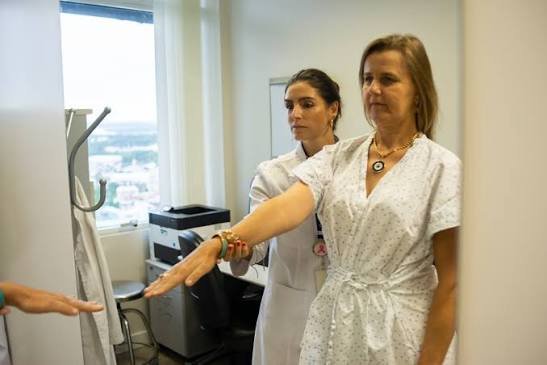
Breast cancer treatment improves when researchers can test important medical questions in carefully planned studies. Clinical trials for breast cancer may examine a new medicine, a new combination of established therapies, a different dose, a surgical approach, an imaging method, or a way to reduce treatment side effects. Each study is designed to produce evidence that can help patients and care teams make more informed decisions. A clinical trial is not simply a chance to try something new. It is a structured research study with eligibility rules, a written plan, safety monitoring, and defined outcomes. Some trials focus on whether a treatment can control cancer. Others ask whether treatment can be shortened, made less intensive, or better matched to a person’s tumor biology and everyday needs.
Why Clinical Trials Matter In Breast Cancer Care
Clinical trials give doctors a more reliable way to compare options than individual experiences alone. Researchers may compare an investigational treatment with standard care, another active treatment, or, in limited situations, a placebo. The goal is to understand the benefits, risks, and the patient groups most likely to benefit. Results can influence future medicines, diagnostic tests, radiation schedules, surgical procedures, supportive care, and follow-up plans. Just as importantly, a study may show that a treatment does not add enough benefit to justify its side effects or cost. That finding can protect future patients from unnecessary treatment.
From A Research Idea To A Clinical Study
A possible treatment usually begins long before the first participant enrolls. Scientists first study how cancer cells grow, spread, and resist therapy in laboratory settings. Preclinical work provides early information on activity, potential safety concerns, and dose ranges that may be appropriate for study in people.
- Study planning: Researchers define the question, the patient population, the treatment plan, and the results they will measure.
- Ethics and regulatory review: Institutional review boards and other oversight bodies assess whether the study is appropriate and whether participant protections are in place.
- Enrollment and consent: Eligible people receive information about the study, alternatives, possible benefits, and known or uncertain risks before deciding whether to join.
- Data review: Research teams track outcomes and side effects, while independent monitors may review safety information during the study.
For example, researchers may study whether a targeted medicine is more helpful before surgery, after surgery, or when paired with another therapy. A well-designed trial can separate meaningful treatment effects from changes that may have occurred for other reasons.
What Each Trial Phase Can Show
Early And Later Phase Research
Phase 1 studies focus mainly on safety, dose, and how the body processes a treatment. Phase 2 studies gather more evidence about treatment activity while continuing to monitor safety. Phase 3 studies often compare a new approach with a standard option in a larger group. Phase 4 research can collect additional information after wider availability. Not every breast cancer study follows this exact sequence. Some trials have one treatment group, while others compare several options. A trial may focus on a newly diagnosed disease, a higher risk of recurrence, locally advanced cancer, or metastatic breast cancer. Study design depends on the question being asked.
How Trials Support Better Treatment Decisions
Useful trial findings can identify treatments that help people live longer, delay progression, lower the risk of recurrence, or improve the chance of controlling the disease. They can also reveal when a lower dose, shorter schedule, or less intensive treatment provides similar results with fewer burdens. This is especially important in early breast cancer, where avoiding treatment that offers little added benefit can matter greatly. Research involving tumor gene expression tests has helped identify some patients who may be less likely to benefit from chemotherapy. The larger lesson is that better care does not always mean more treatment. It means treatment supported by evidence for the individual situation.
Biomarkers And Precision Medicine
Breast cancer is not one single disease. Tumors can differ in hormone receptor status, HER2 status, genetic changes, stage, grade, and prior treatment response. Clinical trials increasingly use these characteristics to study treatments in more specific patient groups. Researchers may use tumor tissue, blood tests such as circulating tumor DNA, inherited genetic testing, imaging findings, and treatment history. These tools can help identify who may respond to a therapy, why resistance develops, and when another approach should be considered. The National Cancer Institute’s clinical trial information also explains practical topics such as participation, safety oversight, and costs.
Why Patient Centered Results Matter
Survival is essential, but it is not the only outcome that matters. Trials may measure overall survival, progression-free survival, recurrence risk, and side effects, as well as fatigue, pain, cognitive concerns, emotional well-being, long-term function, and time away from work or family responsibilities. Patient-reported outcomes provide information that scans and laboratory values cannot. A treatment may show strong medical activity but still require careful consideration if it creates severe or lasting effects on daily life. Including patient preferences helps research reflect what meaningful benefit looks like beyond the clinic.
Modern Trial Designs
In 2026, breast cancer research continues to use more flexible designs that can better reflect the disease’s complexity. Adaptive trials may allow planned changes based on accumulating data. Basket trials can study a single therapy across cancers with a shared genetic feature, while umbrella trials evaluate multiple treatments in breast cancer based on tumor characteristics. Platform trials use a common design to evaluate multiple treatments over time. Decentralized tools may also allow certain surveys, monitoring steps, or follow-up visits to take place closer to home. These approaches may reduce barriers to participation while helping researchers study treatment resistance as cancer changes.
The Long-Term Value Of Participation
Every well-run breast cancer clinical trial contributes to a larger body of knowledge. Some studies lead to new standards of care. Others show that a treatment is ineffective, too risky, or best reserved for a narrower group of patients. Both outcomes improve future decisions. By connecting tumor biology, treatment resistance, quality of life, and patient preferences, clinical trials help turn research questions into more personal breast cancer care. For patients, families, and care teams, that evidence can make difficult treatment decisions clearer and more grounded in what matters most.
Conclusion
Clinical trials are the foundation of progress in breast cancer care. They provide the evidence needed to determine whether new treatments, diagnostic methods, and supportive care strategies are safe, effective, and appropriate for different patient groups. From early laboratory research through advanced clinical studies, each phase contributes to a better understanding of how to improve outcomes while balancing effectiveness, safety, and quality of life.
As precision medicine continues to evolve, clinical trials are becoming increasingly personalized, using biomarkers, genetic information, and patient-reported outcomes to guide treatment decisions. Participation in a clinical trial is a personal choice. Still, every well-conducted study adds valuable knowledge that benefits future patients, whether the results confirm a new therapy or show that an existing approach should be refined. By generating high-quality scientific evidence, breast cancer clinical trials continue to shape more informed, individualized, and effective care for patients today and in the years ahead.