


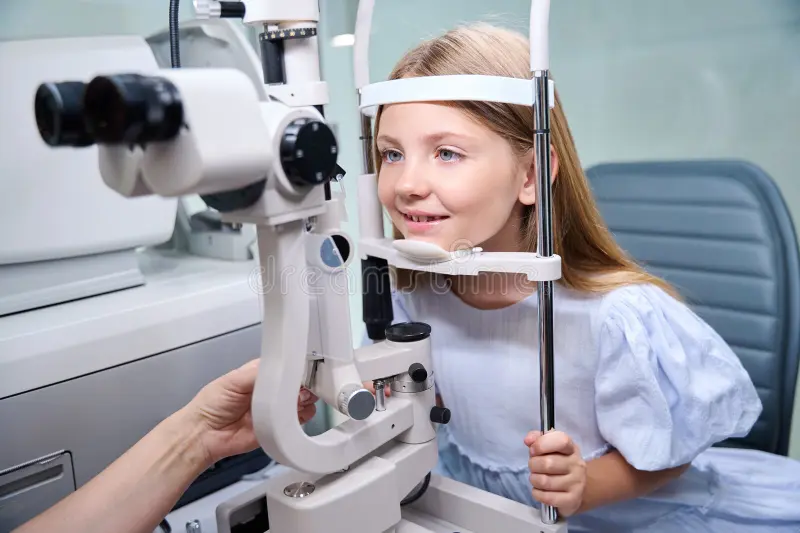
Ophthalmologists are trained medical doctors, and they specialize in providing comprehensive medical and surgical eye care services locally. They diagnose various complex vision disorders, and they provide both medical and surgical treatment options for patients. After they successfully finish their standard medical school training, many of these doctors pursue specialized surgical fellowships. Here are some areas of specialty within this field of medicine:
Glaucoma Specialists
While some minor eye diseases affect the outer lens, advanced glaucoma damages the optic nerve directly. This optical nerve transmits visual signals to the brain, so structural damage causes permanent vision loss. Elevated internal intraocular fluid pressure typically drives this progressive and irreversible optic nerve damage in patients. Unless specialized doctors intervene early with proper medical treatments, the outer peripheral vision slowly fades away entirely.
Ophthalmologists regularly prescribe specialized daily eye drops or recommend specific targeted therapies. These standard daily medical treatments continually aim to lower the elevated fluid pressure inside the affected eye. When conservative daily liquid medications fail to control the rising pressure, these specialists perform invasive filtering surgeries. The surgical doctor creates a new microscopic drainage pathway, and excess internal fluid exits the eye safely.
Cataract Surgeons
The eye naturally contains a clear lens, but this internal structure may become cloudy over time. When the natural lens turns completely opaque, affected patients consistently experience progressively blurry or very dim vision. Dedicated cataract surgeons remove these clouded lenses during standard outpatient surgical procedures inside local outpatient medical clinics.
Because cataracts typically progress quite slowly, eye doctors monitor the developing condition over several consecutive calendar years. The routine outpatient surgical procedure involves safely placing a new artificial intraocular lens directly into the eye. This clear artificial lens restores pathways for incoming light, and patients recover in their own homes.
This particular subspecialty requires precise microscopic operating skills from the highly trained attending medical professional. If a thick opaque cataract goes untreated for decades, the patient might eventually lose their sight entirely. The standard lens replacement procedure is quick, but it requires strict technical surgical accuracy. These specialized medical surgeons perform thousands of routine artificial lens replacements for older adult patients every year.
Cornea Specialists
The human cornea acts as the clear, transparent front window in the anterior segment of the eye. It naturally focuses incoming environmental light rays, and it physically protects the delicate functional biological structures inside. Because the transparent cornea sits directly on the exposed surface, it can sustain scratches or severe infections. Cornea specialists clinically manage several specific external surface conditions using advanced modern medical treatment techniques:
- Specific inherited genetic issues affecting overall visual clarity levels
- Severe chronic dry eye disease causing persistent daily physical discomfort
- Deep corneal ulcers resulting from bacterial or viral infections
Find Ophthalmologists Near You
Long-term ocular eye health requires regular ongoing professional maintenance, so you must schedule routine exams. Even if your daytime vision seems perfect right now, a doctor might detect hidden optical diseases early. Call a certified local medical eye clinic today to easily book your comprehensive preventative health evaluation appointment. These trained medical professionals thoroughly evaluate your specific biological needs, and they offer specific clinical treatment options.
- Choosing Adult Autism Residential Support: A Practical Guide to Daily Life, Safety, and Independence
- Clinical Trial Phases: What Each Stage Means for Participants and Patients
- Clinical Trials: Important Facts Before Patient Participation
- How Breast Cancer Clinical Trials Move Research From Ideas To Patient Care
- Enhancing Mental Wellness Through Therapy: A Comprehensive Guide