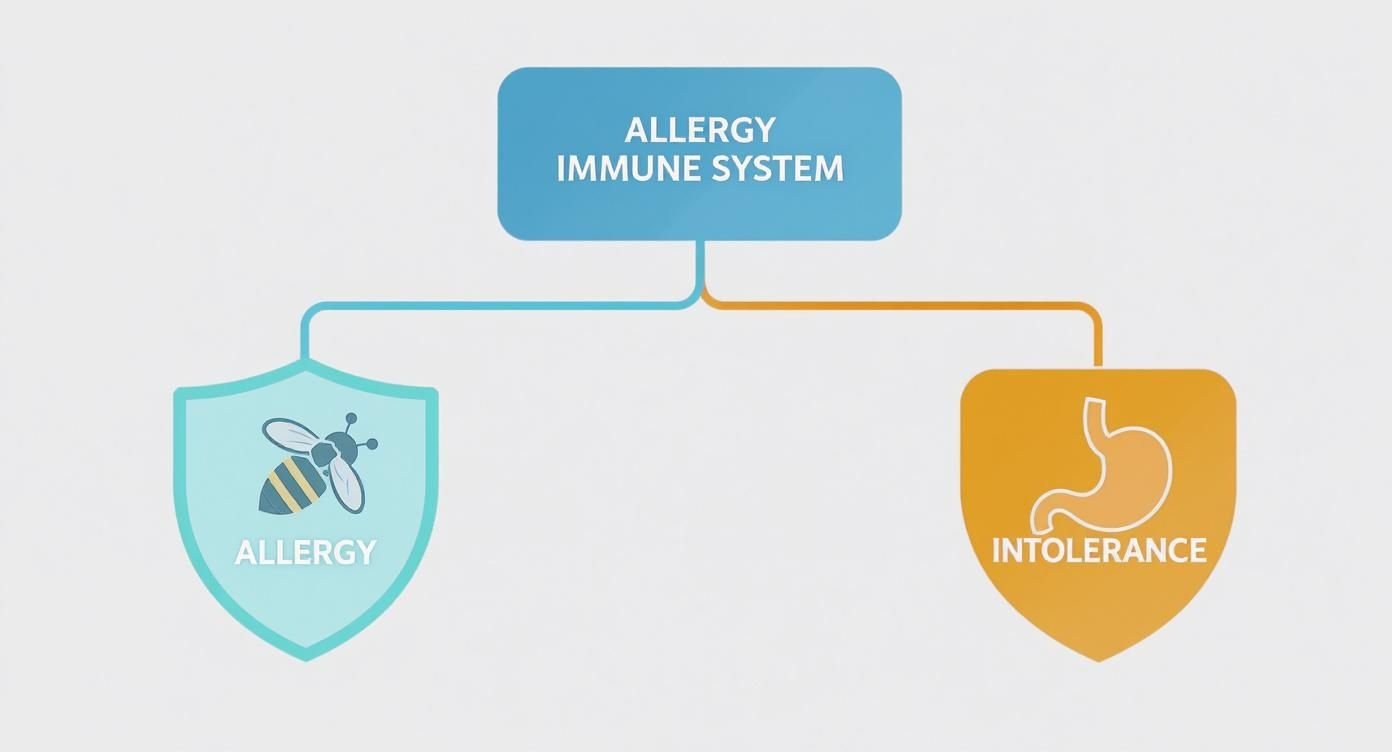
Allergy testing services are medical evaluations that identify specific substances that trigger allergic reactions; these diagnostic tools allow specialists to assess how your immune system responds. By pinpointing the exact triggers causing allergic reactions, healthcare professionals can develop an effective management plan. Here’s information on allergy testing methods and what you can expect:
Allergy Causes
Allergies occur when the immune system reacts to a foreign substance, producing various physical symptoms. Environmental factors, dietary choices, and genetic predispositions all play a role in how your body processes foreign substances. When you know what is triggering your allergic reactions, you can better minimize your exposure.
Why Allergies Happen
An allergic reaction happens when your immune system mistakenly identifies a harmless substance, such as pollen or pet dander, as a dangerous invader. In response, your body produces antibodies to neutralize the perceived threat. This immune response releases chemicals like histamine into the bloodstream, which may cause inflammation, sneezing, or skin irritation.
When To Visit a Specialist
You should consult a professional, like a pulmonary and sleep medicine specialist, when over-the-counter medications don’t manage your symptoms effectively. A visit to an allergist is also appropriate if you experience severe reactions, chronic sinus infections, or difficulty breathing after exposure to certain environments or foods. A specialist can conduct a thorough evaluation to provide clear answers about your reactions, often through diagnostic allergy testing.
Allergy Testing
Medical professionals can use several testing methods to determine your allergic triggers, but many providers will recommend a skin test first. All diagnostic evaluations are conducted in controlled clinical settings so your provider can oversee your tests and reactions. During a skin prick test, a nurse or doctor places a small drop of a suspected allergen on the surface of your skin. They then gently prick or scratch the outer layer of your skin, which allows the substance to enter just below the surface.
If you are allergic to the tested substance, you will typically develop a small, raised bump at the test site within 15 to 20 minutes. This bump resembles a mosquito bite and may cause mild itching. The medical staff will measure the size of the reaction to determine your sensitivity level. Afterward, they will clean the area and apply a topical cream to soothe any lingering irritation.
Specialists may recommend other allergy testing methods depending on your situation, such as immunoglobulin E (IgE) blood tests. Blood tests measure the amount of allergy-causing antibodies in your bloodstream. Physicians often use blood tests for individuals with severe skin conditions or those taking medications that might interfere with skin test results. Another option is a patch test, which helps identify delayed allergic reactions, particularly those related to contact dermatitis.
Allergy Treatments
Once a specialist identifies your specific triggers, they will outline potential management strategies. Immunotherapy involves gradual exposure to allergens, and this process aims to reduce immune system sensitivity over time. This treatment is often administered through regular oral medications or allergy injections. Allergy shots contain tiny amounts of an allergen, helping the immune system build tolerance. Sublingual immunotherapy, administered under the tongue, is an alternative to traditional allergy injections.
Benefit From Diagnostic Testing
Understanding your allergic triggers allows you to make informed decisions about your daily environment and routine. To create a structured management plan that minimizes your reactions, contact an allergy specialist today. They can implement targeted treatments that identify your triggers, address your symptoms, and reduce reaction occurrence. Schedule a consultation to learn about your management options.