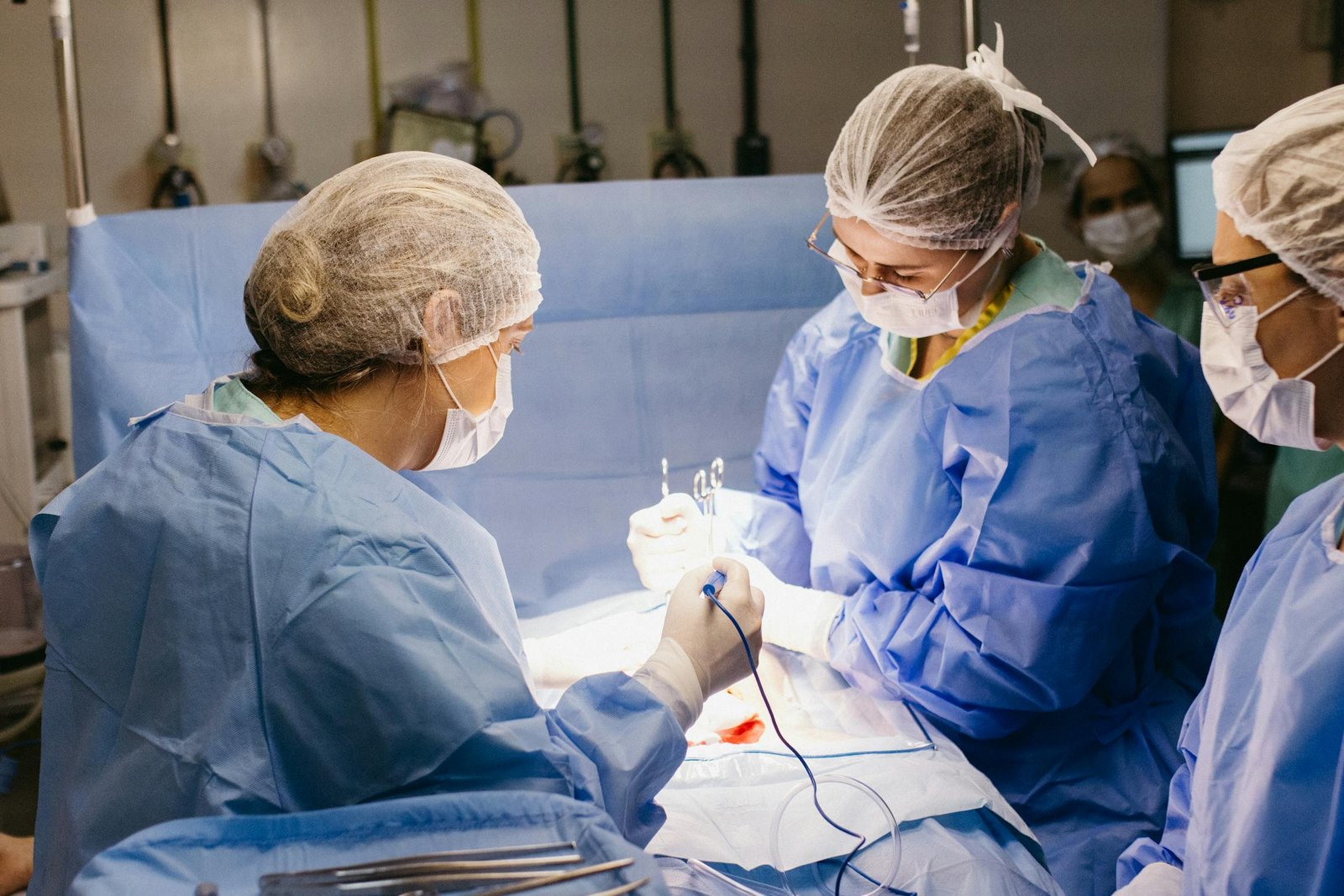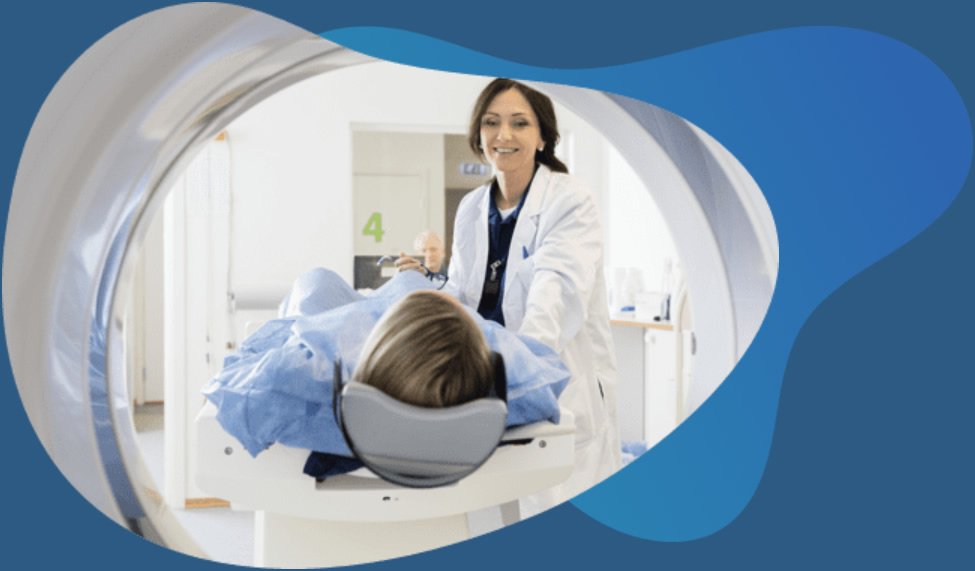
A CT scan can play a significant role in the recovery process by helping medical providers identify injuries, monitor healing, and guide treatment decisions. It is often used after accidents, surgeries, or ongoing symptoms when a clearer view of the body is needed. Here are some of the ways CT imaging may support recovery and ongoing care:
Finding Symptom Causes
Identifying the root cause of a physical problem is a key step in any medical process. Patients often report physical discomfort, and doctors will recommend a scan to investigate the issue thoroughly. A CT scan provides a detailed view of the affected area, which helps doctors detect the exact problem. If you experience lingering joint pain, the scan reveals the structural details, and the doctor uses this information to formulate a diagnosis. Clear diagnostic data removes the need for exploratory surgery; physicians can review the visual evidence and identify abnormalities in the specific tissues. Although physical exams provide useful clues, CT imaging offers a definitive look beneath the surface.
Guiding Treatment Plans
A precise treatment plan relies on accurate diagnostic information. Here’s how computed tomography (CT) imaging supports the development of effective medical strategies:
- Visual Evidence Without Incisions: CT scans provide detailed views of internal structures, eliminating the need for exploratory surgery to identify abnormalities.
- Enhanced Diagnostic Accuracy: Physicians may detect and analyze specific tissue irregularities with greater precision compared to physical exams.
- Comprehensive Assessment: Reviewing CT results allows medical practitioners to evaluate and rule out various diagnostic possibilities.
Utilizing these structured insights can help healthcare providers make sure that patients receive the most appropriate and effective care.
Tracking Recovery Progress
Doctors can use follow-up CT scans to monitor the body; they compare these images to the original baseline. If the images show improvement, the medical team knows that the current plan is working well. These follow-up images also provide measurable data to document the stages of healing.
Comparing new scans to the original images shows the rate of physical improvement. This factual comparison removes guesswork from the recovery timeline, so patients receive accurate updates about their health status. While external symptoms may fluctuate, internal imaging provides objective evidence of the healing process.
Preventing Future Setbacks
A CT scan plays a significant role in mitigating setbacks and complications during recovery. Through their detailed imaging capabilities, they provide invaluable insights into a patient’s condition, promoting proactive and effective interventions. Here are the key ways CT imaging can prevent setbacks:
- Early Detection of Complications: CT imaging can detect complications such as infections and blood clots before they escalate, enabling prompt medical intervention.
- Monitoring Post-Surgical Healing: By providing clear, detailed images of internal recovery processes, CT scans make sure that healing is progressing as expected.
- Guiding Treatment Adjustments: Imaging results provide significant data that physicians can use to modify treatment strategies and timelines as necessary.
- Reducing Misdiagnoses: Their precision minimizes the risk of incorrect diagnoses, making sure patients receive appropriate care for their condition.
- Fluid buildup: Images detect unwanted fluid accumulation near organs, enabling prompt drainage.
Integrating CT imaging into routine monitoring enables healthcare professionals to address potential complications proactively, significantly improving patient outcomes and overall recovery efficiency.
Schedule Your CT Scan Today
A successful recovery relies on accurate information and precise medical planning. CT imaging provides the fundamental details doctors need to diagnose issues, and it also helps them track progress safely. Contact a reputable medical imaging center near you to schedule your CT scan today.