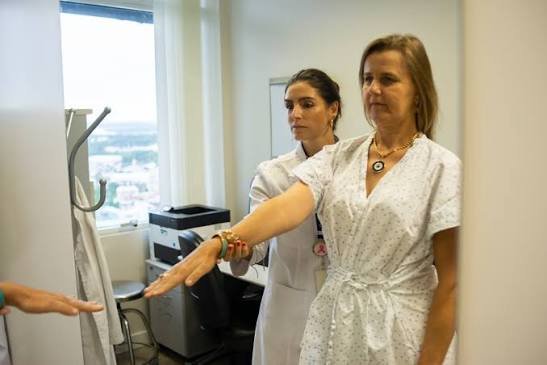



Regular women’s care plays a significant role in supporting long-term health through preventive services and ongoing medical guidance tailored to each life stage. Women’s medical care helps address immediate concerns and future health needs. Here’s more information on the value of regular women’s care:
Prioritizing Preventive Visits
Preventive health visits detect minor issues efficiently. Providers conduct specific diagnostic tests, and these assessments help to detect underlying conditions before they progress further. Doctors rely on these diagnostic tests as part of women’s care to establish baselines. The following screenings generally occur during preventive visits:
- Blood pressure and resting heart rate measurements.
- Cholesterol panels and blood glucose laboratory tests.
- Standard pelvic examinations and routine Pap tests.
- Clinical breast examinations and specialized imaging referrals.
These routine assessments form a key part of personal health maintenance. Patients receive their diagnostic results promptly, and the healthcare provider explains the next steps. When results are unclear, women’s health specialists schedule further tests.
Addressing Changing Health Needs
Women’s health adapts to physiological changes over time. A young adult requires different evaluations than a menopausal patient, and medical providers adjust their protocols accordingly. As female patients transition through different life decades, their internal hormonal profiles shift significantly. Younger adult patients often discuss reproductive family planning, and older patients contemplate their skeletal and cardiovascular health. If a patient reaches menopause, the women’s health provider monitors cardiovascular disease risk factors closely.
Creating Space for Questions
Regular women’s care appointments offer an environment for patient inquiries. Patients can prepare specific health questions beforehand, and medical providers provide detailed answers. Here are some of the topics patients frequently raise during consultations:
- Menstrual cycle irregularities and pain management.
- Reproductive health options and family planning.
- Nutritional dietary adjustments and metabolic changes.
- Mental health evaluations and nighttime sleep patterns.
These discussions guide subsequent treatment decisions. If a patient expresses a specific physical health concern, the medical provider modifies the standard examination plan.
Promoting Long-Term Health Management
Consistent medical oversight supports long-term health stability. Providers analyze historical patient data, and they identify subtle physical health trends. When primary physicians track key parameters for some time, they can predict disease risks with greater accuracy. A structured personal health plan provides key physical benefits, and long-term health strategies prevent chronic conditions from developing.
Patients can implement practical lifestyle modifications based on direct advice. Women’s care providers prescribe specific regimens, and patients report their overall progress during routine follow-up visits. If a patient presents with elevated resting blood pressure, the physician often recommends immediate nutritional dietary adjustments. Ongoing clinical monitoring also verifies the effectiveness of these interventions, and if the initial treatment plan fails, the provider can try alternative evidence-based medical protocols.
Coordination among various medical specialists strengthens the overall health strategy. Whenever a complex medical condition arises, a multidisciplinary medical team handles the entire treatment process. The collaborative approach delivers fundamental physical benefits, and the resulting comprehensive medical care protects the patient’s long-term health.
Schedule Your Women’s Care Appointment Today
Regular visits help to maintain accurate physical medical baselines. Preventive health screenings detect early physiological abnormalities, and targeted life-stage evaluations address changing physiological needs. Contact a women’s medical care specialist near you to schedule your appointment today.