Car collisions often result in physical harm that requires professional medical evaluation. Following a crash, individuals may experience a wide range of physical symptoms. Specialized clinics are equipped to handle the unique physical forces exerted on the human body during a vehicle collision and offer a targeted approach to healing. Seeking prompt attention from these specialized providers provides a clear path forward for physical rehabilitation after a car accident injury.
What Is a Car Accident Injury?
Motor vehicle collisions produce varied physical consequences that depend on the exact mechanics and severity of the impact. Some physical damage, such as deep lacerations or visible bone fractures, presents immediately at the scene. Other forms of a car accident injury can remain hidden directly following the incident.
Patients frequently encounter conditions such as whiplash, which affects the neck due to rapid back-and-forth movement. Spinal cord damage is a frequent outcome that significantly alters mobility and sensation. Individuals also present with joint impairments and structural damage to soft tissues. Traumatic brain injuries, including concussions, alter cognitive function and require precise monitoring by trained medical staff. Nerve damage is another frequent complication.
When Should You Seek Care?
Following a collision, individuals may delay a medical visit until their physical discomfort becomes intolerable. Waiting to schedule an appointment can allow minor issues to develop into complex medical situations. Seeking an assessment promptly provides a clear understanding of the physical damage sustained. Prompt evaluation allows a dedicated medical team to map out a clear sequence of treatment steps. Early intervention typically supports a more straightforward recovery trajectory and helps mitigate the long-term impacts of the trauma.
Adrenaline can hide the initial pain and symptoms of injuries. A patient might walk away from a crash feeling fine, only to experience severe stiffness and pain hours or days later. Scheduling a medical evaluation immediately after the incident brings clarity to the recovery process. The medical team can establish an official record of the patient’s physical condition and directly tie it to the timeline of the accident.
What Should You Expect?
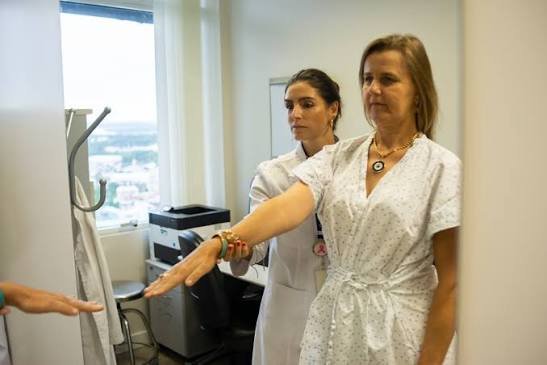
Arriving at a medical facility for an evaluation begins with a thorough consultation. A healthcare provider can ask detailed questions regarding the specific symptoms experienced and inquire about the exact circumstances of the collision. This initial dialogue directs the selection of appropriate diagnostic testing and physical examinations. Clinicians may check certain metrics, such as range of motion, reflexes, and areas of tenderness, to establish a baseline of physical function.
Medical facilities utilize various advanced technologies to identify hidden trauma that physical examinations alone cannot detect. X-ray systems supply immediate visual details of bone structures to locate fractures and joint misalignments. The imaging process is swift. An electroencephalogram (EEG) measures electrical activity within the brain, acting as a screening mechanism for head trauma. These diagnostic steps build a comprehensive understanding of the patient’s physical state.
Seek Professional Care and Services
Connecting with dedicated healthcare professionals helps individuals navigate the medical system following a vehicle collision. Urgent care centers and injury specialists often provide comprehensive management of the entire process, from initial diagnostics to coordinating ongoing rehabilitation. Some medical facilities assist patients in managing their insurance claims directly and eliminate the immediate need for legal representation to handle medical billing. Securing prompt, specialized medical attention provides a solid foundation for healing and regaining daily function.