Obstetrics focuses on the care of women during pregnancy, childbirth, and the postpartum period, making it an integral part of maternal health. Obstetrics helps guide the mother and baby through each stage of pregnancy with safety. Here’s more information on what women should know about obstetrics:
Navigating Pregnancy Care
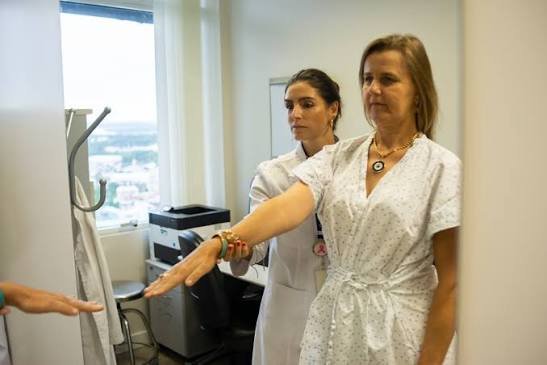
Routine prenatal visits track the physical growth of the fetus, and they also allow providers to record maternal health signs. Doctors schedule periodic ultrasounds, and standard blood tests reveal key information regarding maternal health markers. The obstetrics team documents every measurement accurately to identify any deviations from standard growth curves.
Patients often discuss their physical symptoms with their doctors, and medical staff provide clinical guidance on managing common changes. Providers measure blood pressure, and they also check glucose levels. This helps them detect conditions such as gestational diabetes early in the pregnancy. Patients attend these scheduled visits regularly, and the healthcare team uses the data to formulate a comprehensive delivery plan.
Understanding Birth Support
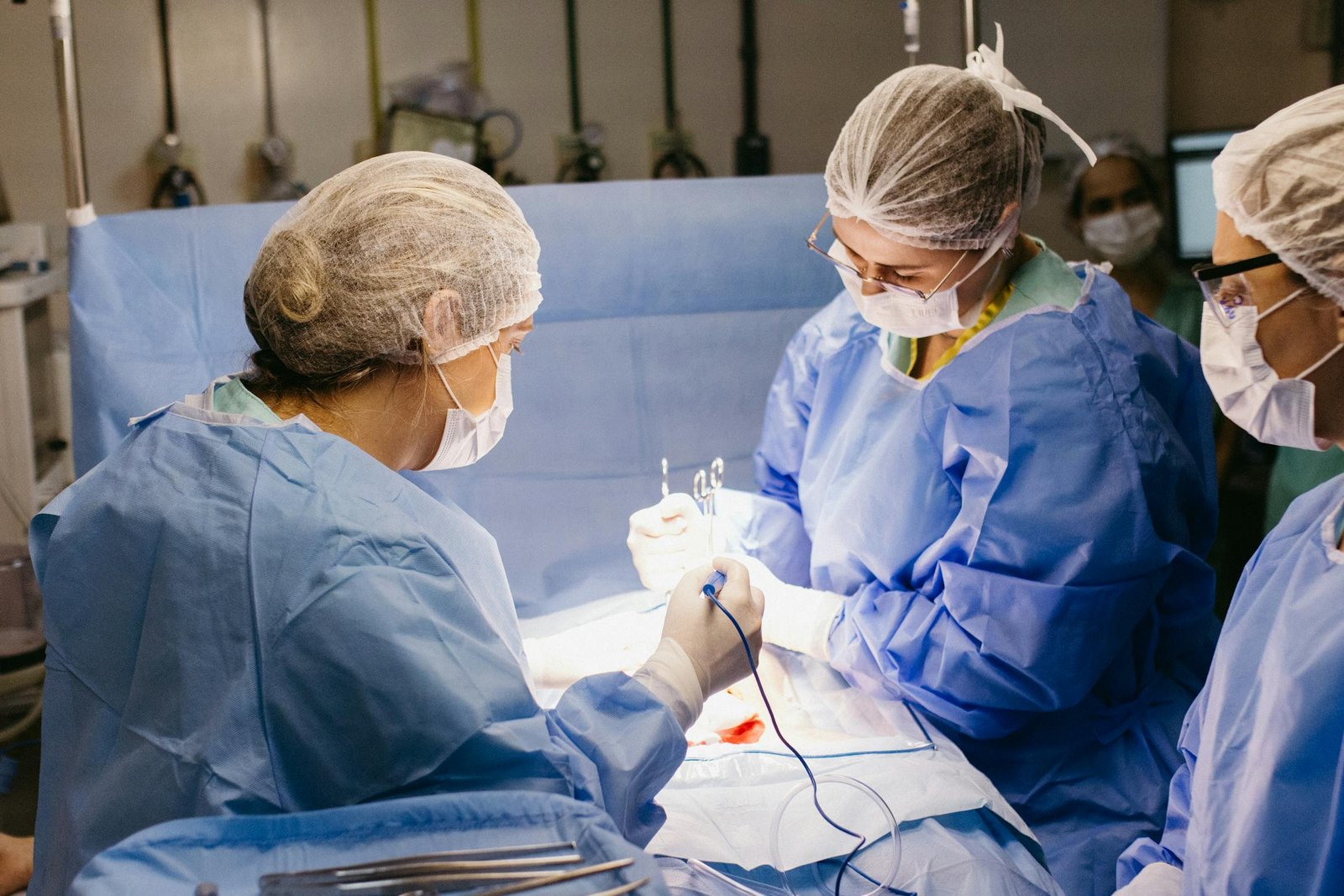
Obstetrics teams use specific protocols to manage childbirth, and they continuously monitor the mother and the baby to maintain stable vital signs. The staff employs various methods to track progress during labor. Here are some of them:
- Providers attach electronic fetal monitors to track the baby’s heart rate in response to uterine contractions.
- Anesthesiologists administer pain management options, such as epidurals, to regulate patient discomfort levels.
- Obstetricians guide the physical delivery stages, and they use medical instruments if the situation requires intervention.
- Nurses record the time of birth, and they immediately assess the newborn using the standard Apgar scoring system.
The delivery team rapidly evaluates these objective measurements, and they adjust their approach based on real-time data.
Recognizing Postpartum Needs
The postpartum period involves the physical recovery of the mother; it requires medical observation to prevent complications. Providers assess uterine contractions and monitor blood loss, key steps in confirming that the body is healing correctly after delivery. Patients report severe pain or abnormal symptoms to their doctor, and the obstetrics specialist addresses these issues promptly to promote a stable recovery. Doctors also assess mental health during follow-up appointments; they screen patients for postpartum depression using standardized questionnaires. Lactation consultants offer clinical guidance regarding infant feeding, which proves helpful for patients navigating the mechanics of nursing.
Seeking Specialized Obstetric Care
Certain medical factors classify a pregnancy as high-risk, and these situations require advanced maternal-fetal medicine specialists to oversee the treatment plan. Obstetrics specialists identify these conditions through comprehensive screening processes. Here are key situations that are regarded as high-risk:
- Patients with pre-existing conditions like hypertension or thyroid disorders receive adjusted medication dosages.
- Individuals carrying multiples undergo more frequent ultrasound imaging to track the growth of each fetus.
- Mothers with previous premature deliveries follow strict activity guidelines, and they take prescribed treatments to delay early labor.
- Providers closely monitor placental abnormalities and prepare specialized surgical plans for complex delivery scenarios.
Specialists implement these advanced protocols to manage high-risk factors, and they coordinate with obstetricians to maintain a cohesive treatment strategy.
Schedule Your Obstetrics Appointment Today
Obstetrics provides structured medical management from the initial confirmation of pregnancy through the final postpartum evaluation. Obstetrics specialists use standardized tests to monitor fetal development, and they apply clinical protocols to manage labor and delivery. Contact a qualified obstetrician near you to schedule your obstetrics appointment today.