

Anxiety is a persistent state of physical tension and mental worry, and it disrupts daily activities. Individuals may experience racing thoughts during stressful moments, and their heart rates increase to uncomfortable levels. Because these physiological symptoms disrupt normal routines, people seek practical methods for immediate symptom relief. Here are some breathing exercises to reduce anxiety and promote calmness:
Extended Exhaling
When you deliberately lengthen your exhalations, your nervous system begins to settle into a relaxed state. This straightforward technique actively slows the racing heart rate within a few minutes of practice. Extended exhaling functions as an immediate physical brake for your automatic stress and panic response. You inhale deeply for four seconds, and you release the air slowly for six seconds.
Steady Breathing
Steady breathing requires mental focus, and the structured method builds a highly predictable respiratory rhythm. While sudden anxiety causes erratic chest breaths, this specific practice establishes immediate physical stability quickly. Practitioners inhale and exhale at an equal, measured pace to regulate their oxygen flow effectively. The focused practice equalizes air intake, and it calms the tense muscles throughout the body.
People can utilize steady breathing exercises before facing stressful events in their daily work environments. You sit upright in a sturdy chair, or you rest flat on the floor quietly. As you match the lengths of your breaths, your tense physical body relaxes noticeably. A ticking metronome helps individuals track the breathing pace with greater accuracy and less effort.
Belly Breathing
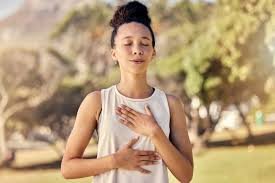
While many individuals breathe shallowly from their upper chest, belly breathing actively engages the diaphragm. The diaphragm acts as a large muscle located horizontally beneath the base of the lungs. You place a hand on your stomach area, and you inhale air deeply through the nose. The stomach pushes outward against the hand during a proper and full diaphragmatic inhalation process.
This mechanical process maximizes oxygen intake, and it may lower elevated blood pressure levels. Because the contracted diaphragm pulls downward, the expanding lungs absorb a larger volume of air. Lowered blood pressure may signal a state of safety directly to the human brain. The resting heart rate slows down gradually, so the sensation of physical panic decreases steadily.
Practice this specific breathing technique during your regular daily schedule. You set an alarm timer, and you focus entirely on the rhythmic stomach movement. If your upper chest rises higher than your stomach, you adjust your sitting posture immediately. Consistent daily practice builds automatic muscle memory for stressful situations in the near future.
Alternate Nostril Breathing
After you find a comfortable seated position, you regulate the airflow through each individual nostril. This focused method directs mental attention, and it balances the respiratory cycle. The technique provides structured physical relief during periods of intense mental worry and physical tension. Follow these exact steps to perform the breathing exercise correctly:
- Close the right nostril entirely with your right thumb carefully.
- Inhale fully and slowly through the open left nostril airway.
- Close the left nostril securely with your specific ring finger.
- Exhale completely and steadily through the open right nostril airway.
- Inhale through the right side to continue the breathing sequence.
Get Counseling for Anxiety
Breathing exercises provide temporary symptom relief, but professional therapy offers long-term solutions for persistent distress. Licensed therapists teach advanced coping mechanisms that target the underlying root causes of the disorder. Customized treatment plans address specific personal triggers effectively through structured sessions and professional guidance. Schedule an initial appointment with a body and mind clinic to begin the process.