An ophthalmologist plays a fundamental role in protecting and managing long-term eye health. They do this through diagnosis and treatment, and also through ongoing follow-up care. Follow-up visits allow an ophthalmologist to monitor healing and identify changes in vision or eye health before they become more serious. Here’s a closer look at the role of follow-up visits with an ophthalmologist:
Monitoring Healing Progress
Tracking the healing process of your eye tissues is a key part of recovery after a procedure. During follow-up visits, the ophthalmologist checks for signs of proper healing, and they note their findings in your medical record. If an infection develops, it can be identified and treated early to prevent further complications.
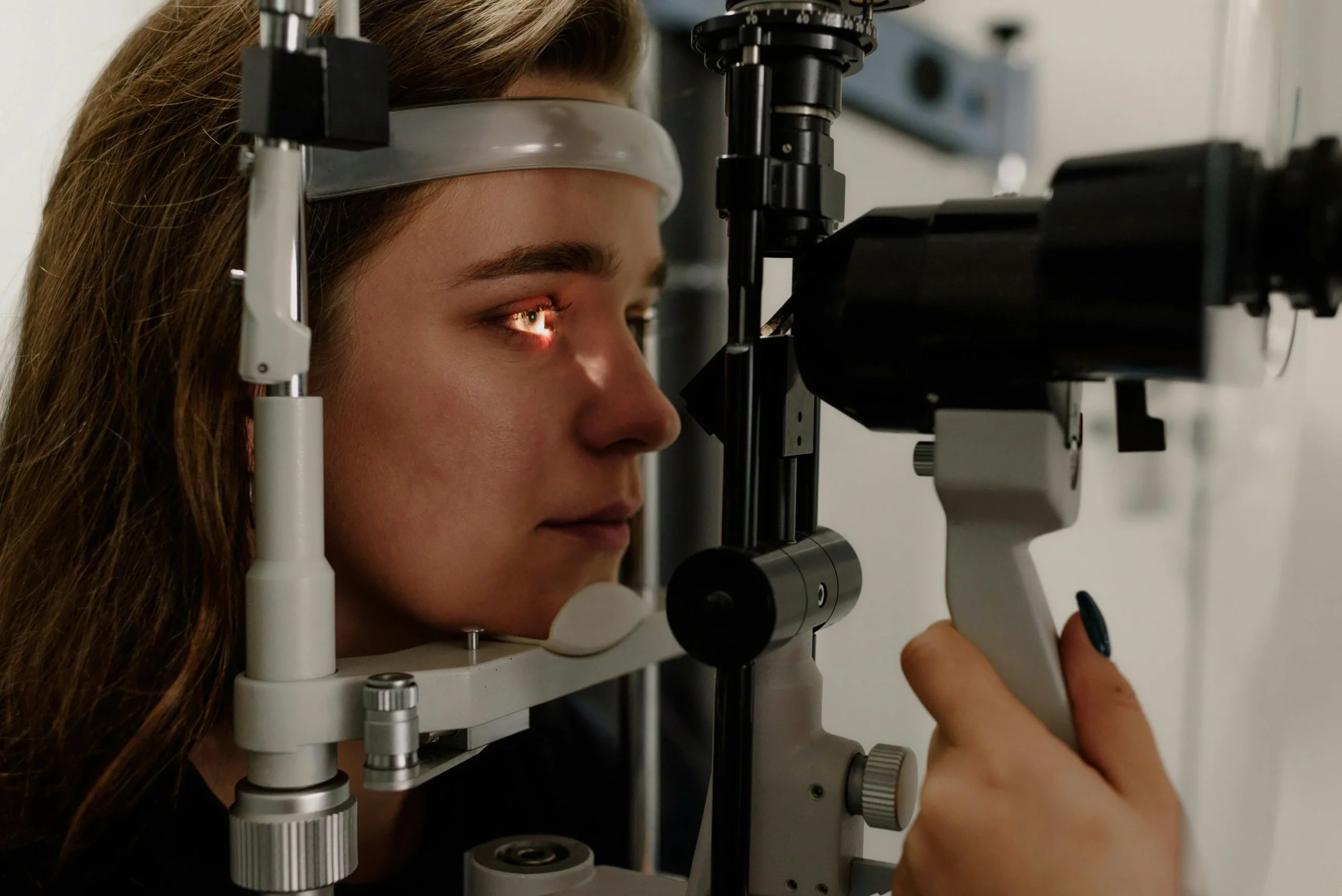
These visits also allow the doctor to monitor how well your prescribed medications are working. One fundamental tool used during evaluations is the slit-lamp test, which provides a detailed view of the front part of the eye, including the cornea and iris. These observations help make sure your recovery is progressing as expected.
Tracking Eye Health
Regular check-ups allow the ophthalmologist to closely monitor changes in your eye’s structure. Using advanced diagnostic tools, they gather precise measurements, and they compare them with your previous records. This process allows them to detect minor changes. These visits give you a clearer understanding of your condition as the clinic tracks the following key metrics during your appointments:
- Visual acuity measurements to test focus capabilities and overall image clarity.
- Intraocular pressure readings to monitor fluid dynamics and check for glaucoma risks.
- Retinal imaging to map the internal structures and evaluate macular health.
- Corneal thickness evaluations to assess the structural integrity of the outer eye layer.
Keeping track of these metrics plays a key role in managing eye health for the long term. The ophthalmologist uses the collected data to identify gradual changes, even if you do not notice immediate symptoms yourself. Scheduling these assessments at the recommended intervals makes sure your records remain up to date. Analyzing trends in this data can help the doctor predict potential issues early, preventing minor conditions from developing into serious complications.
Adjusting Care
A medical treatment plan requires regular updates to remain effective over time. The ophthalmologist reviews your diagnostic results, and they use the information to adjust your prescription. As patients age, symptoms can change, leading the doctor to recommend new treatments. They may switch your eye drops to a different formula to minimize side effects. The doctor evaluates changes in your overall health to tailor the treatment plan to your unique needs. These regular updates make sure that the therapy continues to work effectively, supporting long-term vision health.
Strengthening Vision Protection
Preventive care plays a key role in keeping your eyesight healthy throughout your life. During follow-up visits, an ophthalmologist may recommend strategies to protect your vision based on your individual needs. These methods are designed to maintain your long-term visual health. The specialist evaluates both your daily lifestyle habits and your clinical data to develop the following protective measures:
- Customized guidelines for managing screen time exposure to reduce ocular strain.
- Specific instructions regarding ultraviolet light protection to shield the retina.
- Nutritional recommendations to support cellular health and tear production.
- Safety protocols for mitigating common occupational hazards and environmental debris.
A proactive approach to eye care provides a stable foundation for your overall health. These routine check-ups enable ophthalmologists to identify new risk factors early, allowing timely intervention to prevent serious complications.
Visit a Qualified Ophthalmologist Today
Follow-up appointments provide a structured clinical system for monitoring physical recovery and managing chronic ocular conditions. The ophthalmologist uses these scheduled visits to monitor your healing process. Ongoing objective assessments allow the medical team to modify your care plan. Contact a qualified ophthalmologist near you to schedule your appointment today.