

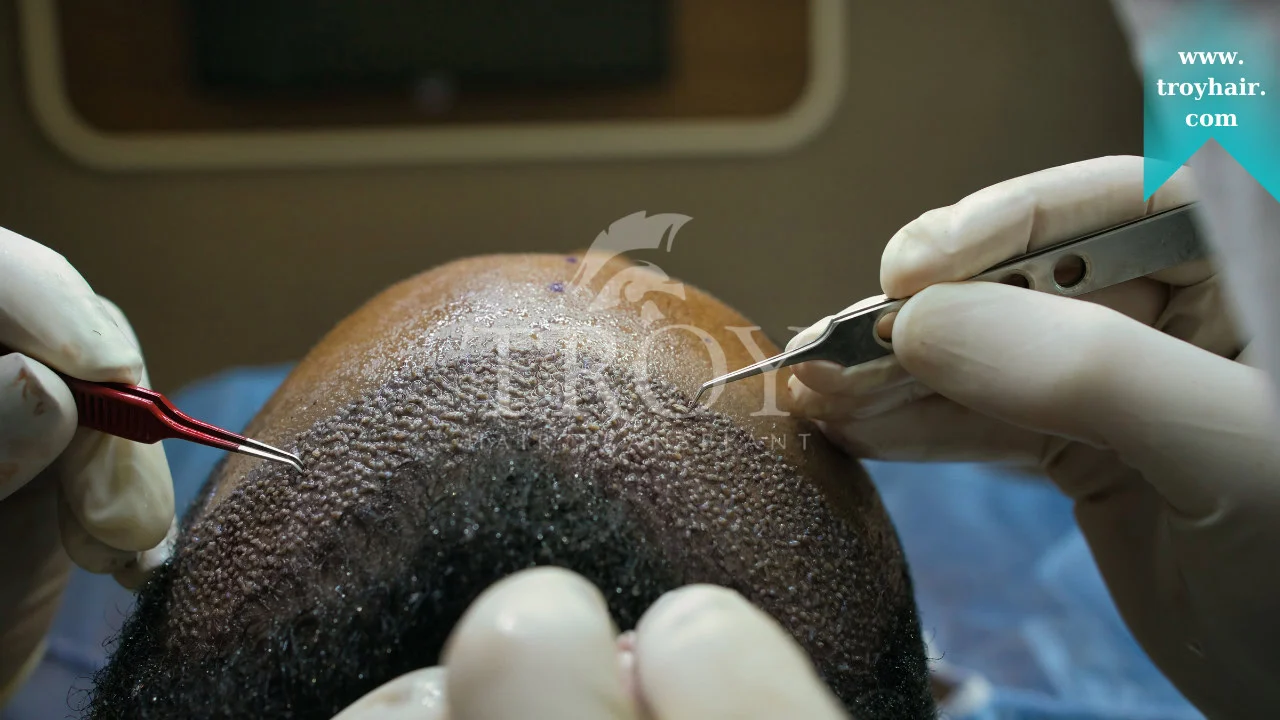
A hair transplant restores hair to individuals facing thinning. The procedure uses healthy donor follicles, and patients may wonder about the results. Since daily habits affect healing, adjust your lifestyle accordingly. Your provider will give you a plan to follow.
Nutrition Influence on Follicles
After a hair transplant, your body needs key nutrients to heal tissue and support new follicle growth. Proper nutrition supports the body during recovery. Eating balanced meals with lean protein, leafy greens, and healthy fats delivers nutrients, so new follicles grow efficiently. Vitamins are involved in cellular repair. Nutrients include vitamin C for collagen production, and you may use biotin for general hair health. Because recovering skin needs hydration, drink water daily, and avoid excessive alcohol. Vitamins support healthy scalp circulation. Supplements provide extra nutritional insurance, but whole foods remain the superior primary source. Meal planning before and after the procedure supports good results.
Exercise Impact on Recovery
Follow postoperative instructions, and listen to your body during recovery. Physical activity requires careful management after your procedure. Patients usually return to normal activities quickly, but heavy exercise should be avoided initially. Early exertion increases blood pressure, and elevated systemic pressure can dislodge newly transplanted follicular grafts, leaving gaps in the transplanted areas. Light walking promotes circulation, but heavy lifting strains the body and can compromise your outcome. Resume running, cycling, or weightlifting gradually after your surgeon clears you. Normal clotting protects the recipient sites, and it supports new growth. Monitor for any unusual redness, pain, or bleeding during activity. Avoid swimming pools or saunas, and prevent unnecessary exposure to bacteria. Stay away from excessive heat in the early stages. Consult your provider before resuming contact sports or vigorous activities to aid a safer recovery. Proper care reduces complications and supports good results.
Therapy Effect on Density
Transplanted hair grows over 12-18 months. Surgeons use follicular unit extraction or elliptical harvesting, which yield natural results for each patient. Although transplanted hair remains stable, patients may need ongoing medical therapy such as topical minoxidil or oral finasteride. Medical therapy helps maintain long-term density. Hair loss may continue without medical intervention. Native follicles need ongoing support, so doctors recommend specific treatments and daily regimens. Regular follow-up appointments let your provider track progress, and they adjust therapy as needed. Medical therapy complements the surgical restoration process.
Genetics dictates your natural hair loss pattern, and proven treatments slow this predictable progression. This may offer lasting improvement. While surgery replaces lost follicles, medication protects the vulnerable ones. This combination supports the best outcome. Set medication reminders, and report any side effects to your doctor. This will promote safety and long-term benefit. Your provider may suggest non-surgical therapies such as low-level laser therapy or platelet-rich plasma injections as additional support. Maintaining healthy habits, such as gentle hair care and sun protection, also supports long-term density.
Schedule a Hair Transplant Today
You control many factors in your hair restoration outcome. Lifestyle adjustments support healing, and ongoing medical therapies protect native hair. When you are ready to explore options, your team is ready to help.