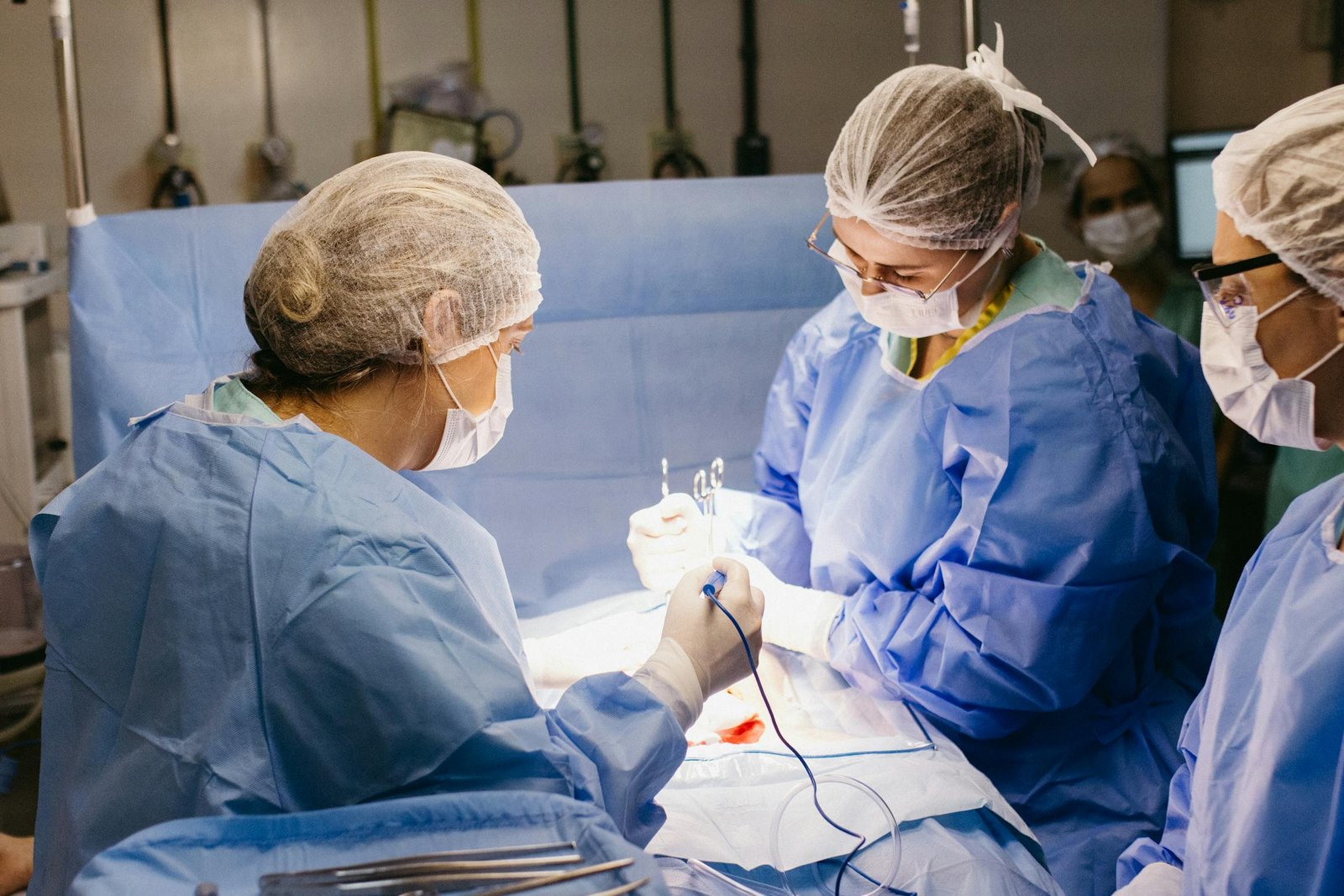



Choosing the right minimally invasive surgery can influence treatment outcomes and the overall recovery experience. Patients should understand how factors such as diagnosis, surgical goals, recovery time, and provider recommendations shape the decision-making process. Learning more about these concerns can help patients make informed choices about minimally invasive procedures. Here are some key factors to evaluate when choosing the right minimally invasive procedure for your condition:
Understand Your Condition
The first step in choosing minimally invasive surgery is a full medical checkup. Doctors perform imaging tests, and they review your health history to identify the problem. Certain conditions respond well to targeted treatments. If you receive an accurate diagnosis, the doctor can identify the exact nerve causing the problem.
Medical professionals use conservative treatments as a starting point. Doctors prescribe medications first, and they often recommend physical therapy sessions. When these basic treatments do not provide relief, the doctor will suggest a surgical intervention. Patients must establish clear goals prior to the procedure. If you establish clear goals, the medical team can match your needs to the right minimally invasive procedure.
Explore Surgical Approaches
Medical science offers different minimally invasive procedures today. Interventional pain specialists provide several options, and these treatments address distinct musculoskeletal problems. While you review these choices, you should contemplate which method fits your specific physical condition. Here are some of them:
- Kyphoplasty to fix fractured vertebrae.
- Spinal cord stimulation to block pain signals.
- Sacroiliac joint fusion to stabilize the pelvis.
- Lumbar decompression to open narrowed nerve pathways.
Doctors use targeted approaches for different regions of the spine; some surgeries relieve pressure on nerves and others stabilize damaged bones. Although every technique works differently, the following treatments represent common options:
Evaluate the Treatment Plan
A key factor for success is the physician. You need a specialist with specific training, and you should review their past results. When a doctor frequently performs these minimally invasive procedures, the patient often experiences a better recovery.
The doctor assesses your lifestyle during the initial meeting; they review your daily activities and check your current physical strength. They use the information to develop your personalized treatment plan. The treatment plan includes the surgery itself, and it also covers your post-surgery physical therapy. Make sure you understand the whole schedule so that you can prepare your home for the recovery phase.
Weigh Recovery and Risks
Every medical operation carries some level of physical risk. Minimally invasive surgery reduces bleeding and lowers the chance of severe infection. Even though the risks remain low, patients should discuss potential complications with their doctor. Post-surgery care impacts your overall healing speed. You should ask your doctor the following questions:
- How long will the physical therapy last?
- What activities should I avoid during the first month?
- When will the pain stop completely?
- Do I need special equipment at home?
Your body needs time to heal after the procedure. Routine follow-up visits monitor your physical progress. The doctor checks your mobility, and they update your exercise routine. Long-term results depend on your dedication to the rehabilitation program. You must follow the doctor’s instructions, and you must attend all therapy sessions.
Schedule Your Minimally Invasive Surgery Consultation
Long-term success following minimally invasive surgery requires a commitment to your personalized rehabilitation plan. Regular check-ins with your medical team make sure that your recovery program adapts to your progress, supporting optimal healing. Staying active, following post-procedure guidance, and attending all therapy sessions are key factors in achieving lasting benefits. Contact a qualified pain specialist to schedule your consultation for minimally invasive procedures.