Heart health involves keeping your cardiovascular system strong so your body can function properly throughout your life. A medical specialist in cardiology diagnoses conditions, and they create treatment plans to help patients recover from disease. By offering lifestyle advice and medical treatments, these doctors help patients improve and maintain their overall well-being.
Introducing Cardiologists
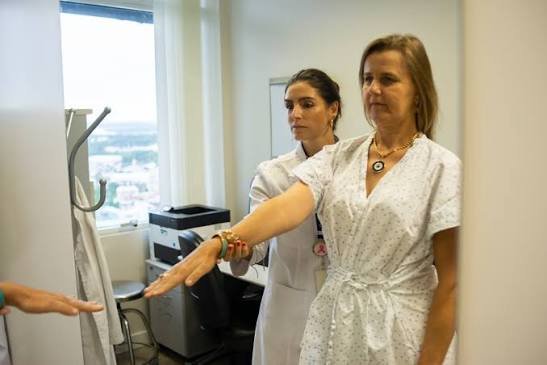
A doctor who specializes in cardiology focuses on the heart and blood vessels. These specialists treat various cardiovascular issues, and they guide patients through recovery after major health events. They review your medical history thoroughly. If a patient presents with confusing symptoms, the physician runs diagnostic tests to pinpoint the exact problem.
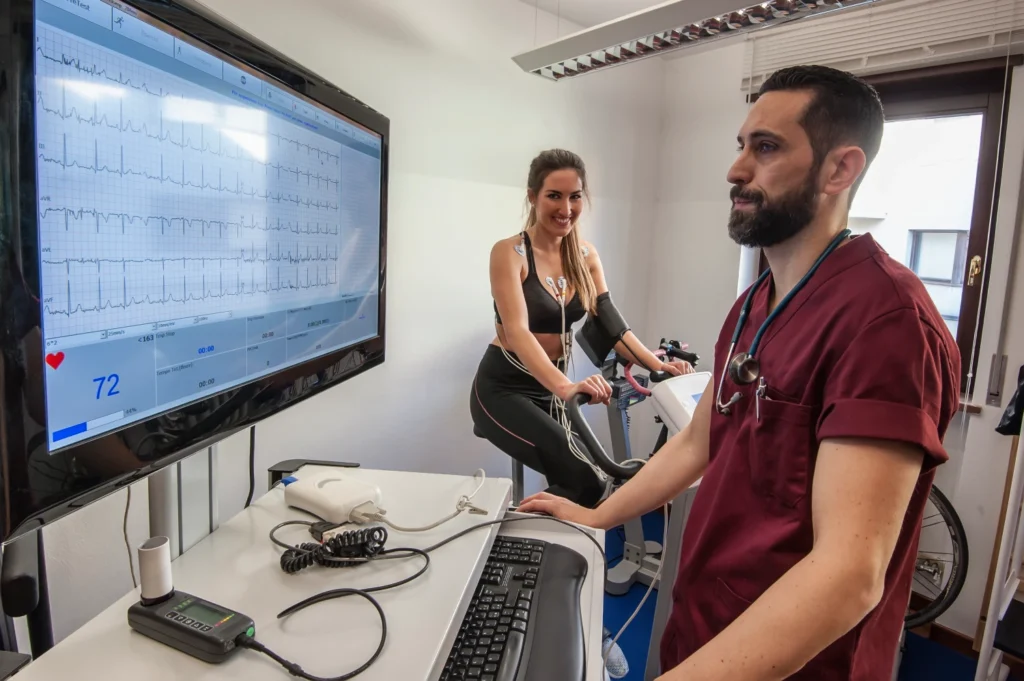
They use echocardiograms to look at the heart structure. The doctor places electrodes on your chest, and an electrocardiogram records the electrical activity. The medical staff also uses stress tests to see how your heart handles physical activity. Because these tools provide clear images, the medical team can accurately diagnose conditions like arrhythmias.
Understanding Prevention
Preventive care keeps your heart strong before serious problems ever develop. Doctors evaluate your personal risk factors, and they suggest lifestyle changes to protect your cardiovascular system. Your physician will check your blood pressure and cholesterol levels during a routine visit.
Your doctor can recommend steps to take to maintain a healthy heart over time. You are able to adopt better daily habits, and you can start a new exercise routine under medical supervision. These general recommendations usually include:
- Eating a balanced diet full of vegetables
- Exercising regularly throughout the week
- Quitting smoking completely
- Managing daily stress levels safely
Because prevention helps stop disease progression, this personalized medical guidance improves long-term outcomes for patients everywhere.
Treating Disease
Sometimes sudden heart emergencies require immediate and intensive medical attention. A specialist will quickly stabilize the patient, and they will administer life-saving treatments. Time is a significant factor in emergency situations. If someone suffers a massive heart attack, the medical team acts quickly to clear the blocked arteries.
They place stents to keep the blood flowing freely. The medical staff monitors the patient closely in the intensive care unit, and they adjust medications to support healing. When the immediate danger passes, the patient begins a supervised cardiac rehabilitation program. This structured recovery process builds physical strength.
Identifying Symptoms
You might notice unusual physical symptoms that require an immediate medical evaluation. Chest pain is a clear warning sign, and you should never ignore this symptom. You might feel dizzy. Sometimes people experience an irregular pulse during rest.
Watch for these red flags:
- Severe chest discomfort or pressure
- Shortness of breath during mild activity
- Unexplained and extreme daily fatigue
- Swelling in the legs or ankles
You must seek immediate help if these symptoms occur suddenly, and a professional evaluation will determine the exact cause of your distress.
Learn More About Cardiology
Medical professionals help patients manage their heart health through both preventive steps and acute treatments. They provide valuable medical expertise, and this guidance keeps your cardiovascular system functioning properly for years. If you want to learn more about cardiology, consult a cardiologist near you.