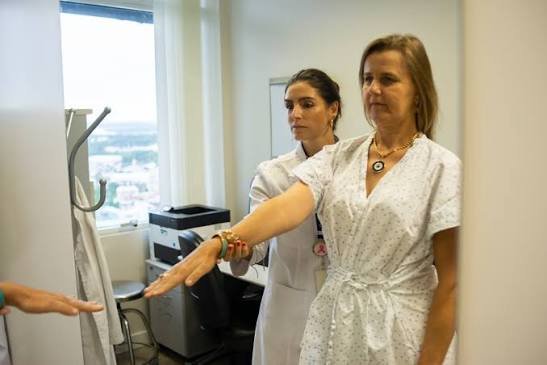



Comprehensive oncology support teams guide newly diagnosed patients through complex cancer treatments, and they can discuss distinct ways to preserve fertility. Medical doctors treat the primary disease aggressively, and specialized care teams manage the challenging physical side effects. Because many treatments affect human reproductive organs directly, younger patients explore available fertility preservation methods early. Here are some fertility preservation options for cancer patients:
Shielding Radiation
Modern radiation equipment targets specific tumors precisely, but stray energy beams scatter occasionally across the room. Because this scattered energy damages delicate surrounding tissues, radiology clinics utilize customized physical protection methods. Heavy lead shields protect the lower pelvic area during the external beam radiation therapy sessions. It’s one method to preserve fertility for cancer patients undergoing radiation.
If targeted radiation treats the upper abdomen specifically, heavy pelvic shielding provides necessary physical protection. Medical physicists calculate the exact radiation dose limits for every individual patient beforehand. The thick protective shield blocks harmful radioactive rays, and the sensitive ovaries receive less overall daily exposure. While the heavy shield rests firmly on the body, the patient remains completely still on the table.
Preserving Embryos and Eggs
Fertility clinics extract mature eggs, and specialists freeze the collected specimens immediately for future medical use. When individuals select the embryo freezing method, specialists fertilize the extracted eggs first. Oncology support staff members typically place the resulting frozen materials securely inside liquid nitrogen storage tanks. The heavy tanks maintain stable freezing temperatures, and digital alarms monitor the internal storage conditions constantly.
While the entire extraction process takes a specific time, scheduling departments arrange the preliminary medical appointments quickly. Female patients administer prescribed hormone injections at home. These specific fertility medications stimulate the ovaries directly, and multiple healthy eggs mature simultaneously inside the body. While patients take these daily hormone medications, clinics monitor blood levels strictly for general patient safety.
Medical ultrasound machines monitor the developing ovarian follicles closely throughout the entire controlled stimulation phase. The monitored follicles reach an optimal physical size, and the physician schedules the final surgical retrieval procedure. After the resting patient receives light intravenous anesthesia, doctors perform the minimally invasive retrieval surgery. Medical staff observe the recovering patient in the recovery room.
Suppressing Ovaries
Oncologists prescribe specific hormone-blocking medications during a standard intravenous chemotherapy treatment cycle. The medication halts normal ovulation entirely, and the ovaries enter a temporary menopausal state. Because chemotherapy attacks rapidly dividing cells, these specific drugs pause standard ovarian function purposefully. Doctors might choose to use several distinct medication options:
- Monthly leuprolide acetate injections
- Subcutaneous goserelin implants
- Intramuscular triptorelin shots
Transpositioning Ovaries
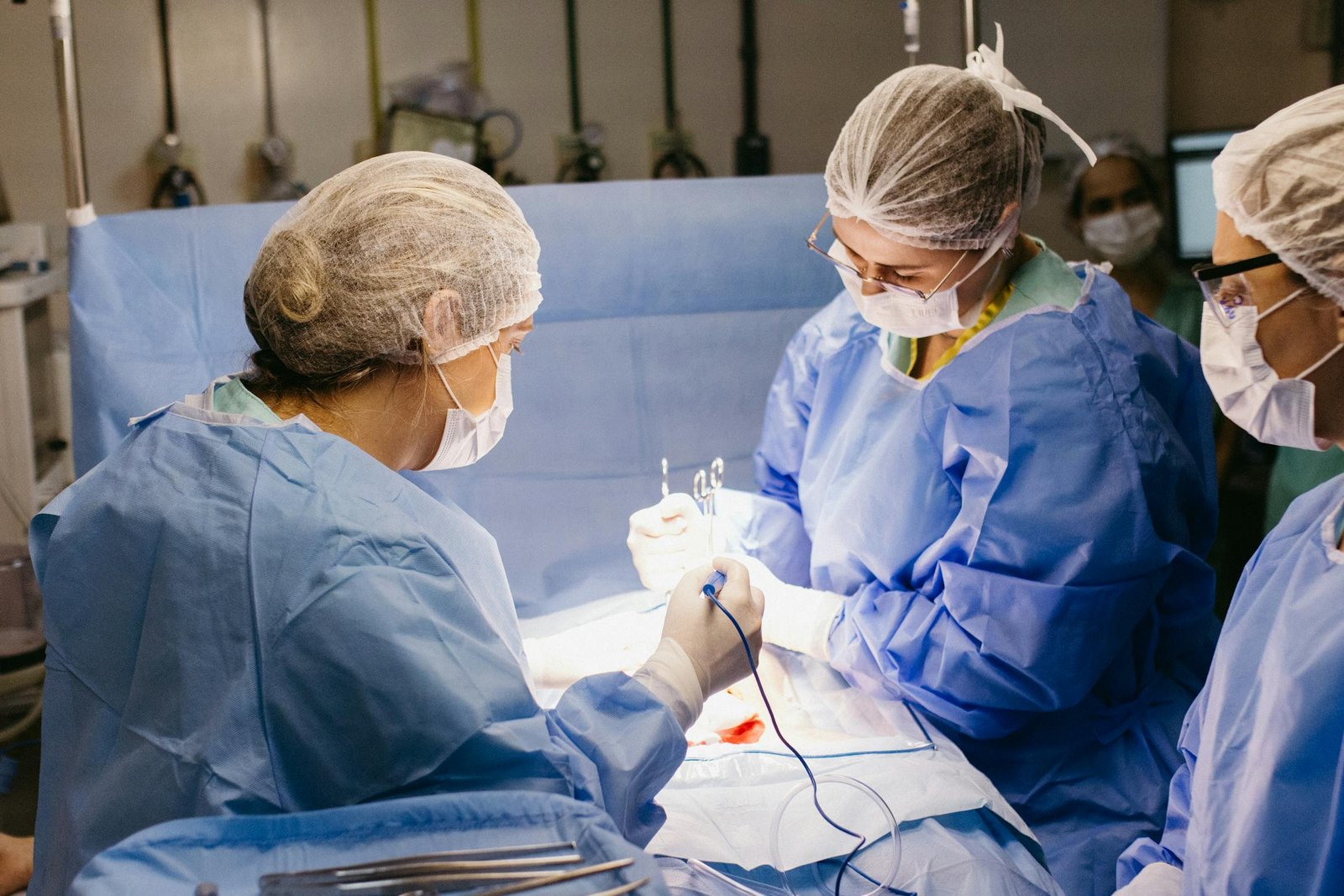
Pelvic radiation poses severe reproductive risks, but a surgical procedure moves the vulnerable organs safely. When patients face direct pelvic radiation, experienced hospital surgeons recommend immediate ovarian transposition surgery. The operating surgeon detaches both ovaries carefully from their original anatomical location. Medical professionals move the organs higher in the body, and they stitch them into the abdominal wall.
Find Oncology Support Today
As you navigate your recent medical diagnosis, healthcare teams provide practical facts about reproductive health. Clinical specialists answer your direct questions regarding the available physical preservation procedures. Medical teams provide straightforward procedural information, and they guide your specific next steps clearly. Contact an oncology support specialist to schedule your initial consultation today.