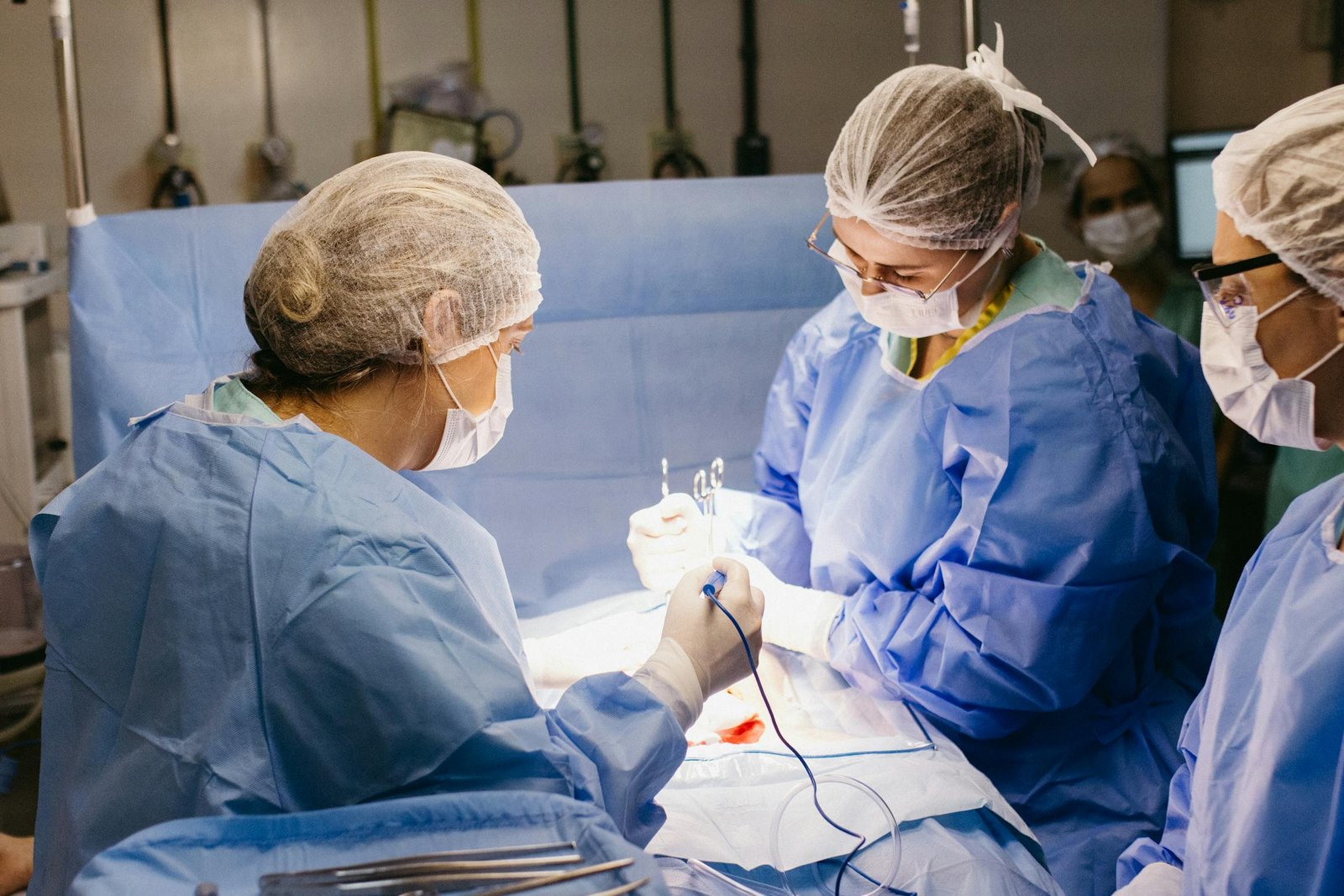



Neurocritical care is a specialized medical field that focuses on treating severe conditions of the brain and nervous system. Patients may require this level of care after major neurosurgery. Medical teams closely monitor patients in specialized intensive care units, and this continuous observation helps prevent secondary injuries and supports the healing process. Here is more information on this medical specialty:
What Is Neurocritical Care?
Neurocritical care is a branch of intensive care medicine that addresses severe neurological illnesses. Specialists focus on acute brain injuries, and they manage life-threatening complications. The primary goal is to maximize the preservation of brain tissue. This careful management may improve the chances of functional recovery and reduce long-term neurological deficits.
What Does It Involve?
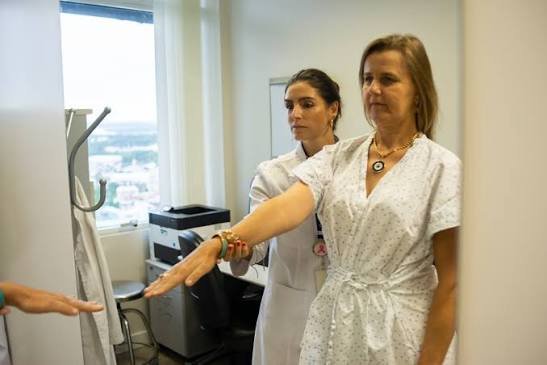
This type of care involves monitoring intracranial pressure and frequently assessing neurological signs. Care providers administer targeted medications to manage swelling or control seizures. The team regulates blood pressure and oxygen levels to protect delicate brain tissue. Medical staff also continuously manage pain, and they address any immediate physical needs to promote initial recovery.
The process also requires continuous communication among medical specialists. Physicians review imaging scans, and they adjust care protocols based on these findings. Consulting a neurologist helps determine what can be done for each situation.
What Does It Treat?
Medical professionals utilize neurocritical care for a specific range of severe neurological conditions. The unit handles complex cases, and it supports patients through key phases of illness. Care teams treat cerebral edema, massive strokes, and brain tumors. Patients also receive care for brain bleeds, spinal cord injuries, brain compression, meningitis, and neuromuscular disease, as these conditions require consistent clinical observation.
What Is Post-operative Recovery?
Post-operative recovery is the period following surgery during which physical and cognitive functions gradually return. The medical team focuses on wound healing while monitoring for surgical complications. Patients gradually transition from intensive observation to standard medical care. Therapy begins as the patient stabilizes, and this rehabilitation focuses on restoring daily functional abilities.
The timeline for recovery varies among patients. Clinical teams set specific milestones and adjust them based on individual progress. Regular neurological exams track the patient’s cognitive status during the days following surgery. The healing brain requires time to rest, and medical staff create an environment that facilitates this process.
How Is Professional Guidance Beneficial?
Professional guidance provides a structured approach to rehabilitation that helps minimize certain risks. Specialists identify subtle changes in neurological status early. These early interventions help prevent minor issues from becoming severe medical complications. Patients receive tailored physical therapies, and they may learn specific strategies to manage their daily activities safely.
Clinical experts may also offer assessments of cognitive recovery. Families rely on this medical feedback to understand the patient’s long-term prognosis. The medical team coordinates care across different specialties to maintain consistency. This comprehensive oversight streamlines the healing process, and it may improve patient outcomes.
Learn More From a Specialist
Neurocritical care offers a systematic approach to postoperative healing, and it provides clinical support for complex conditions. The continuous monitoring protects neurological function during the most vulnerable phases of recovery. Patients benefit from the precision of this multidisciplinary medical strategy. Contact a local neurological center for an evaluation and personalized recovery plan.