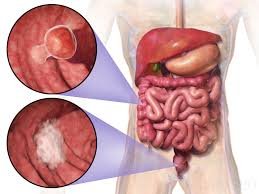
Colon cancer surgery removes tumors from your large intestine to treat your medical condition. Doctors perform this procedure for patients, and they work to prevent further spread of the disease. Because early intervention stops progression, many patients schedule this operation promptly after receiving their diagnosis. Here are some typical questions you may have before colon cancer surgery:
Can I Eat Before Surgery?
Before surgery, you must alter your diet, and the hospital provides a clear schedule for this dietary change. Fasting protects you from dangerous breathing complications during the operation. You consume only clear liquids initially, but you stop all fluid intake exactly at midnight.
Drink these clear liquids:
- Tap or bottled water
- Apple or cranberry juice
- Coffee without milk
- Chicken or beef broth
- Gelatin desserts
How Do I Prepare?
You must follow instructions from the clinic, and the nursing staff guides you through each step. Before you arrive at the medical center, you need to complete several standard blood tests. These laboratory results give your doctors information about your health before the surgical procedure. Nurses typically review your medical history, and they will check your current daily medication schedule.
If you take blood thinners, the doctor will adjust your dosage before the scheduled colon cancer surgery date. You need a completely clean bowel for the planned abdominal operation. The team may prescribe a laxative solution, and you drink it the day before your procedure. While the preparation tastes unpleasant, it clears your entire digestive tract to prepare your body.
Bring comfortable clothes, and pack your personal care items for the trip. Since you will stay in the clinic for days, you require loose garments for sleeping. A family member drives you to the hospital safely on your scheduled surgery date.
What Are the Risks?
Every surgical procedure involves risks, and this surgery type is no exception. The doctor explains these possible complications so you know what to expect. Infection, bleeding, or a reaction to anesthesia may occur during or after the procedure. While most patients do not face serious problems, being aware of the risks helps you prepare mentally.
Doctors sometimes find scar tissue or damage to nearby organs during surgery, and rare complications like blood clots or leaks at the site where the colon reconnects may happen. Your surgical team will discuss signs of possible problems, and they encourage you to ask questions. Honest conversations give you the information you need for your peace of mind.
How Long Does Recovery Take?
The time it takes to recover will vary from patient to patient, and your overall health plays a major role. After your operation, you spend several days in the hospital while the team assists with pain management and monitors your progress. Walking around as soon as possible helps promote healing, and it may lower the chance of developing blood clots.
Once you return home, you gradually resume normal activities, but it is helpful to begin slowly and pay attention to your body. Complete healing takes several weeks, so you may feel tired or notice changes in bowel habits. During recovery, some practical steps include:
- Taking prescribed medications as directed
- Keeping your follow-up appointments
- Eating small, gentle meals until your appetite returns
Schedule Colon Cancer Surgery
Choosing to move forward with colon cancer surgery is a significant step in your care. You take action to address your health, and medical teams provide guidance through every stage of the process. If you are ready to discuss surgery or want more information, reach out to your healthcare provider and schedule an appointment today.
- Questions to Ask Before Joining a Clinical Study
- A Clear Guide to Choosing and Preparing for a Cancer Clinical Trial
- Choosing Adult Autism Residential Support: A Practical Guide to Daily Life, Safety, and Independence
- Clinical Trial Phases: What Each Stage Means for Participants and Patients
- Clinical Trials: Important Facts Before Patient Participation