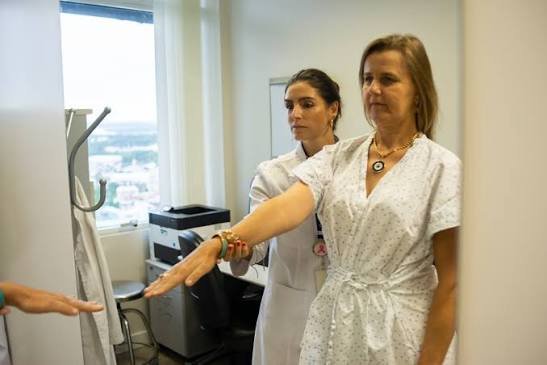
Medical visits require clear communication. List your concerns so your doctor can address them. Because OBGYN appointments can move quickly, bring notes. Preparation can improve your medical visits, and they support thorough care.
Questions About Preventive Care
Preventive care supports your overall health. Schedule a well-woman exam, so your OBGYN can check your vitals. By your forties, doctors may recommend a mammogram, and they will discuss the timing. Ask about your Pap smear schedule. Bring your family’s health history to your visit if possible. Inquire about ways to support bone health, especially when approaching menopause or with a family history of osteoporosis. Discuss vitamin D and calcium intake, and your provider might suggest a screening. Ask about cholesterol testing, and your doctor will review your health profile to guide timing and frequency. Discuss immunizations, such as the HPV vaccine or flu shot, if suitable based on your age or medical history.
Questions About Reproductive Health
Reproductive health spans many life stages. Discuss birth control, and your provider will suggest options tailored to your health goals. Ask about different methods, such as oral contraceptives, implants, or intrauterine devices, and learn the benefits and side effects of each. When you want children, ask about prenatal care. Doctors will guide you step by step. They discuss prenatal vitamins, review your medical history, and explain lifestyle choices that support a healthy pregnancy. Contraception choices need medical input because your health conditions and family planning preferences affect your options. Discuss the timing for stopping contraceptives, and mention any medical conditions or medications. Your provider can give guidance. Bring up any menstrual cycle changes, skipped periods, or unusual symptoms. These may signal underlying issues. Discuss your cycle irregularities openly, providing details about timing, flow, and any pain, so your provider can determine if further investigation is necessary.
Questions About Symptoms and Treatments
Menopause brings symptoms such as night sweats, sleep changes, and irregular periods. Physical changes are best addressed early. Treatments include options like hormone skin patches, oral medications, or vaginal creams and inserts. Ask your OBGYN which symptoms to expect, such as hot flashes or weight changes. Learn about treatments that work for you. If you experience sexual discomfort or decreased vaginal lubrication, discuss these issues so your provider can explain ways to manage them. If you have pelvic pain, share all related details. Describe location and duration, and this could help your provider decide which evaluations or treatment options are right for you.
Sometimes, further tests may be used to learn more about the cause. Your provider may also discuss management resources, or they will refer you for additional support. Tell your provider if you have trouble with leakage, frequent urges, or pain during urination, and ask about lifestyle changes or pelvic floor exercises that help. Doctors evaluate these symptoms, and they provide medical solutions. This includes bladder training, physical therapy, medications, or surgical options, depending on severity and type of incontinence. Your plan will be personal.
Book an OBGYN Today
Schedule your annual visit and bring your questions. Because your health matters, engage actively. Speak clearly about your symptoms. Ask direct questions, and providers offer practical solutions. When you remain proactive, you minimize complications and build a strong medical partnership. Take the first step today.