


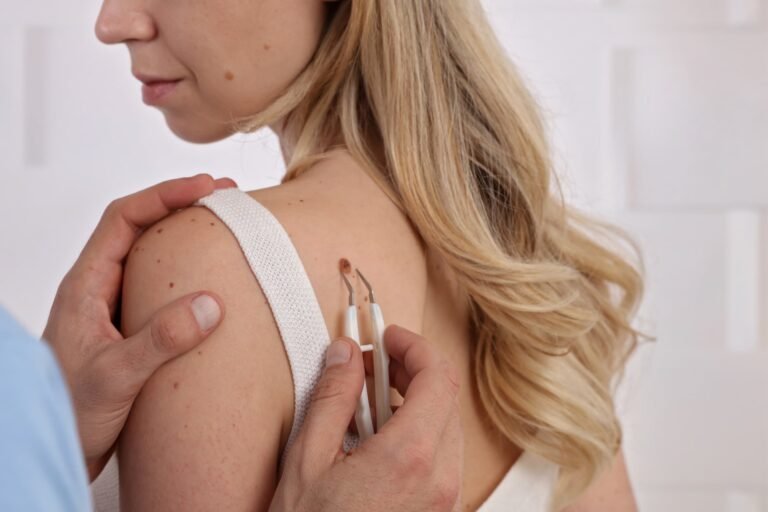
Although minor blemishes happen to everyone, a true skin abnormality is an unusual growth or discoloration that appears suddenly on your body. These unusual marks can indicate underlying medical conditions, and they require proper medical evaluation from a skin doctor. A dermatologist diagnoses and treats these skin conditions to treat cancerous growths and other conditions.
Understanding Skin Doctors
A skin doctor specializes in treating conditions affecting the epidermis. They perform thorough examinations, and they prescribe tailored treatments for various ailments. When patients notice unusual bodily changes, these professionals provide treatment and medical guidance. Medical training allows these experts to distinguish between harmless growths and dangerous melanomas.
They use advanced scientific tools to examine moles or rashes closely. Doctors take small tissue samples, and they send these biopsies to a laboratory for further testing. Because early detection makes treatment easier, medical professionals look for minor cellular changes during every routine visit. This proactive approach helps catch diseases before they spread.
Identifying Common Abnormalities
An abnormality manifests in numerous ways across the entire body. Some spots are unusually dark, and these spots might change color over a few months. When patients monitor their skin for changes at home, they catch potential problems early by. Some blemishes present as raised bumps, while others appear as flat, scaly patches on the surface.
Medical professionals categorize these physical issues into several distinct groups based on appearance. They assess the texture of the marks, and they determine the appropriate next steps for the patient. If you see any of the following signs, seek professional guidance promptly:
- Asymmetrical moles with uneven or jagged borders.
- Unexplained red rashes that spread quickly across the arms or legs.
- Persistent open sores that do not heal after several weeks.
- Dark lesions that bleed without any physical trauma.
Seeking Professional Help
Certain warning signs indicate the need for immediate medical attention from a trained professional. Rapidly changing spots require immediate review, and persistent itching indicates a much deeper physical problem. If a mole bleeds without provocation, schedule an appointment.
Pay close attention to the ABCDE rule for bodily growths. Doctors use this mnemonic device to help patients monitor their skin health, and it can help you recognize when to seek care. When you check your body in the mirror, look for these distinct changes:
- Asymmetry in the overall shape of the mark.
- Borders that appear ragged, blurred, or highly irregular.
- Color variations within a single isolated mole.
- Diameters larger than a standard pencil eraser.
- Evolution in the size, shape, or physical texture.
Any pain associated with a rash warrants a thorough physical examination. Because early treatment yields the best medical results, you protect your well-being when you seek out care when necessary.
Learn More About Skin Doctors
Skin abnormalities range from harmless spots to severe medical conditions. A qualified professional evaluates these marks, and they provide a diagnosis to help you get the treatment you need. Regular body inspections help you catch dangerous physical changes early. If you want to learn more about skin health, consult a skin doctor near you.
- Questions to Ask Before Joining a Clinical Study
- A Clear Guide to Choosing and Preparing for a Cancer Clinical Trial
- Choosing Adult Autism Residential Support: A Practical Guide to Daily Life, Safety, and Independence
- Clinical Trial Phases: What Each Stage Means for Participants and Patients
- Clinical Trials: Important Facts Before Patient Participation