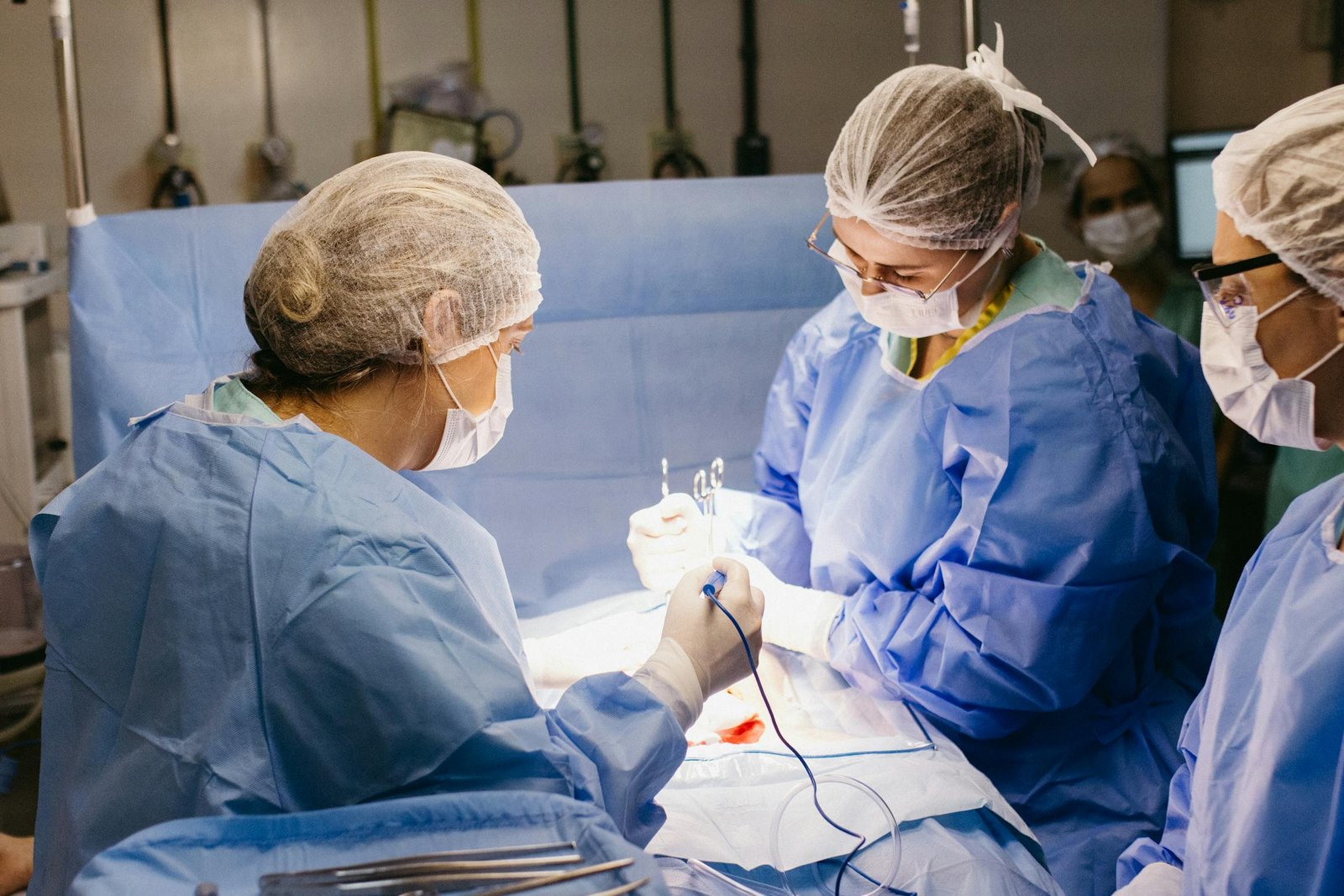
Breast augmentation surgeries physically alter the size and shape of a patient’s natural breasts, and they involve different types of implants. Surgeons place them inside the chest wall, and these implants add distinct volume to the specific area. Because each patient requires different results, doctors utilize several diverse implant options during the operation. Here is more information on the types of implants for breast augmentation:
Silicone Implants
Silicone implants contain a cohesive gel, and this thick substance mimics the soft feel of natural fat. Surgical patients may prefer this realistic physical texture for their own bodies after the procedure. While silicone implants are approved for adult patients in cosmetic cases, they are also used in reconstructive surgeries for patients of other ages.
When used for breast augmentation, silicone implants typically feel very natural to the touch in many patients. The outer shells are made of durable silicone, and the gel filling does not move freely inside the shell. If a rupture happens, the gel may remain inside the implant or surrounding tissue, so it might not create a noticeable change right away. For ongoing care, it is wise for patients to have periodic check-ups and imaging as advised by their doctor.
Saline Implants
Saline devices feature a strong silicone outer shell, and surgeons fill this shell with a sterile saltwater solution. When the doctor places the empty shell inside the body, they use a small tube to add fluid. This precise filling process normally requires a much smaller initial incision on the patient’s skin surface. The human body absorbs this saltwater safely, so a temporary leak does not cause severe medical problems.
If a saline shell breaks inside the chest, the implant can be quickly replaced. Doctors remove the broken shell during a separate surgery, and they insert a brand new medical device. Saline implants generally feel slightly firmer than natural human breast tissue upon physical examination.
Only adult patients ages 18 and older may receive these saline models for standard cosmetic breast augmentation procedures. While younger patients face strict age limits, doctors approve saline devices for reconstructive surgeries at any age. Your chosen surgeon explains these specific age regulations thoroughly during your initial medical consultation.
Tissue Expanders
Tissue expanders serve as temporary devices to create space for a more permanent implant. These expanders are placed beneath the skin and chest muscle, and they gradually stretch the tissue over a period of weeks or months. A surgeon injects saline into the expander through a built-in valve, and the process is repeated during clinic visits.
After the area has expanded to the planned size, the surgeon removes the temporary device. The next step involves placement of the selected long-term implant. This method is used for breast reconstruction, especially after mastectomy, and it provides a gentle approach for healing and gradual change.
Here are a few reasons tissue expanders are used:
- Tissue stretching supports healing after surgery
- Expanders help prepare the area for a final implant
- Expanders offer a staged approach, reducing sudden changes
Schedule Breast Augmentation Today
Making a choice about implants takes time, and it involves detailed discussions with your medical provider. Since every type of implant comes with specific features and steps for follow-up care, your surgeon will review your health history and goals to guide you in the right direction. Reach out to your trusted medical professional to schedule a consultation and start learning more about breast augmentation options.