

An emergency clinic plays a significant role in providing timely medical care for illnesses and injuries that require prompt attention but do not require a hospital emergency room. These clinics can help reduce delays in care, improve health outcomes, and ease pressure on larger healthcare facilities. Here is a closer look at the role of an urgent care clinic in community health:
Treating Common Emergencies
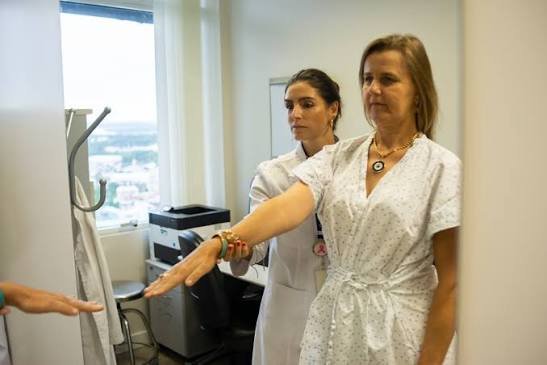
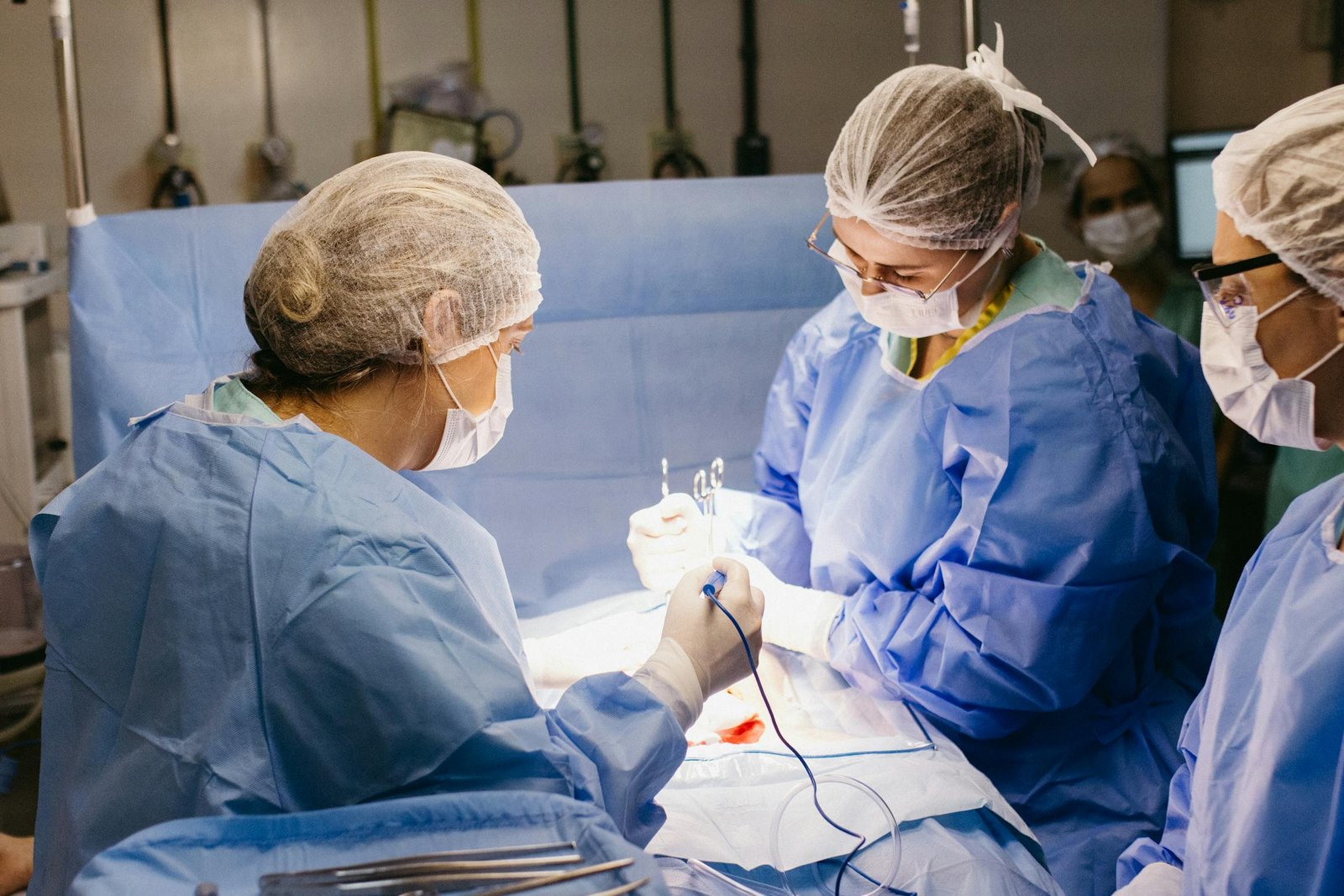
An emergency clinic treats a wide range of urgent but non-life-threatening medical conditions. Cuts and lacerations that require stitches are common reasons for visits; they also treat minor burns and skin infections. Sprains, fractures, and other minor injuries from sports or accidents are also treated at urgent care clinics.
Illnesses such as ear infections, sore throats, sinus infections, and urinary tract infections are commonly seen at these clinics. Patients also come in for flu symptoms, COVID-19 testing, and respiratory infections. For families with children, pediatric care for common childhood illnesses is a practical reason to visit an urgent care clinic.
Improving Access To Care
Emergency clinics make medical care more accessible in several ways. Here is how they help communities get the care they need:
- Extended hours: Most urgent care clinics are open seven days a week, including evenings, making it easier for working adults and families to get care outside of regular business hours.
- Same-day appointments: Patients can book same-day visits or walk in without a scheduled appointment, which removes a major barrier to timely care.
- Shorter wait times: Compared to hospital emergency rooms, urgent care clinics typically have much shorter wait times.
- Insurance flexibility: Urgent care clinics often accept a broad range of insurance plans.
These features combine to make emergency clinics a reliable and practical option for communities that need prompt and accessible medical care.
Providing Clinic Services
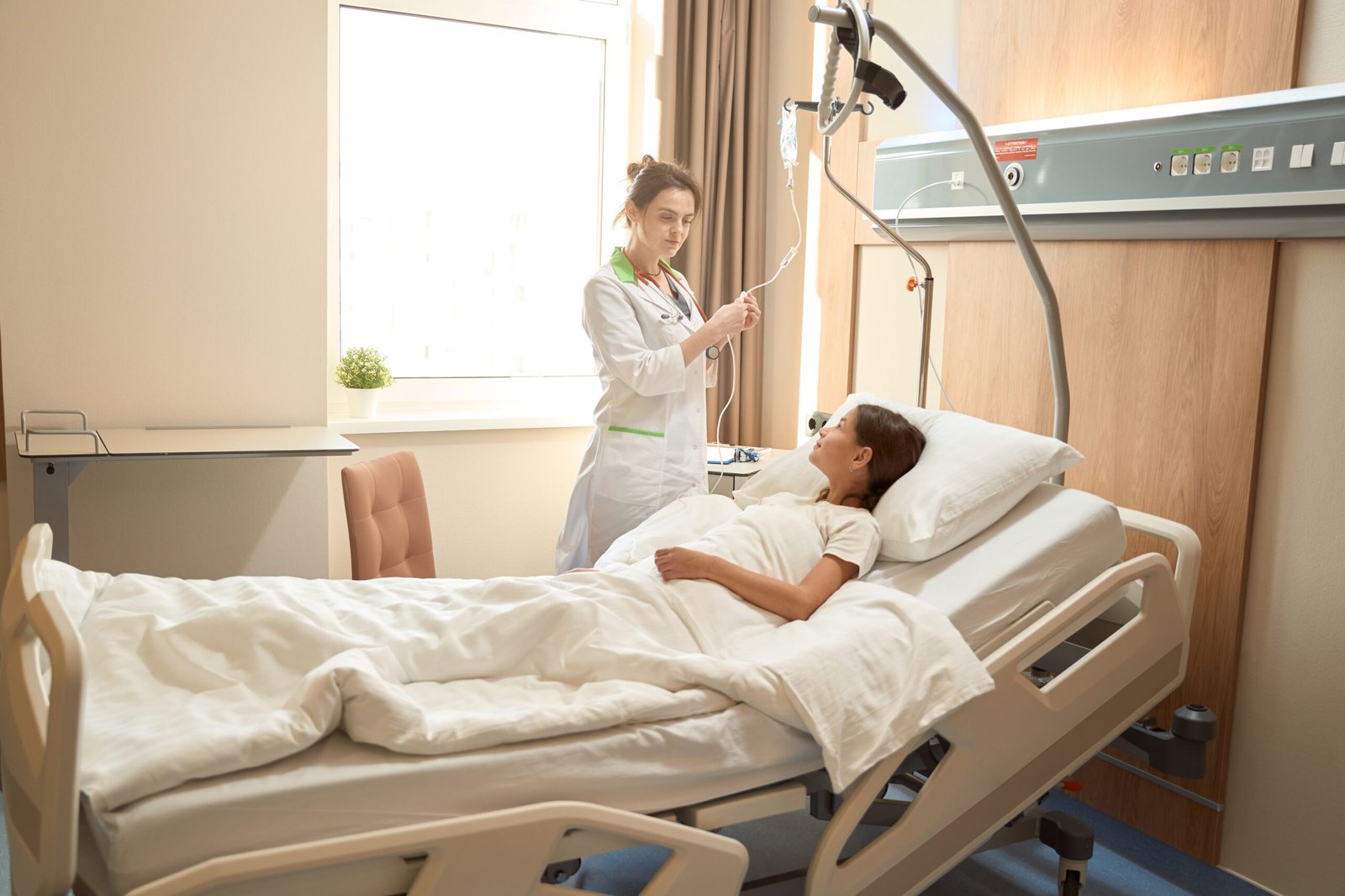
A full-service emergency clinic offers more than basic treatment; on-site diagnostic tools enable providers to diagnose conditions accurately and quickly. This prevents the need to refer patients to external facilities, speeds up treatment, and reduces unnecessary follow-up visits. Lab services cover blood tests, urinalysis, and STD testing, among others. Some urgent care clinics provide preventive care services such as physical exams, immunizations, and vaccinations. Patients can also receive chronic condition management, primary care support, and wellness services, such as IV hydration therapy, at some clinics.
Supporting Community Health
Urgent care clinics contribute to the broader health of a community in measurable ways. The following highlights some of the key ways urgent care clinics benefit communities:
- Reduced emergency room overcrowding: Patients with minor illnesses and injuries receive care at urgent care clinics instead of hospital ERs, freeing up ER resources for true emergencies.
- Faster diagnoses: On-site diagnostics make sure patients receive accurate treatment plans without delay.
- Preventive care access: Physical exams, vaccinations, and health screenings available at urgent care clinics help communities stay healthier and detect problems early.
- Support for underserved populations: Urgent care clinics provide care to patients who may otherwise go without it.
These contributions make emergency clinics a fundamental part of a functioning, healthy community health system.
Visit a Local Emergency Clinic
Emergency clinics treat a broad range of non-life-threatening conditions, offer on-site diagnostics, and provide preventive health services. They also reduce pressure on hospital emergency rooms while making care faster and more accessible for communities of all sizes. For prompt medical attention, contact a local urgent care clinic to book your appointment today.