

A rotator cuff tear involves physical damage to the stabilizing tendons inside your main shoulder joint. These physical injuries cause constant daily pain, and they severely limit your normal overhead arm movements. Because the primary shoulder joint relies heavily on these specific muscles, a torn tendon dramatically reduces overall mobility. Here are some non-surgical and surgical treatment options for this injury:
Non-surgical Treatments
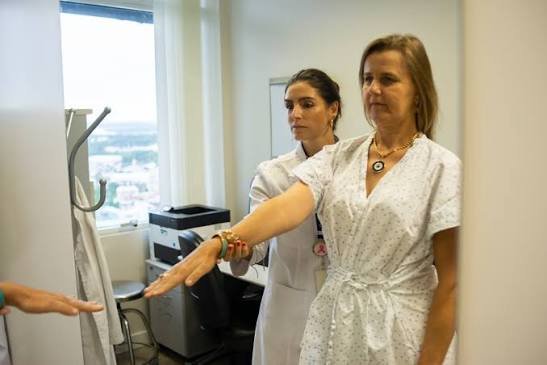
When you experience mild shoulder pain, medical experts may recommend non-invasive conservative care for your initial physical recovery. Physical therapy helps to strengthen the weak surrounding shoulder muscles over a structured period of time. Medical providers guide your daily recovery process, so you regain your former arm strength safely. As you progress through the targeted healing program, your joint slowly regains its normal range of motion.
Over-the-counter anti-inflammatory medications are used to reduce internal swelling, and they relieve your daily physical discomfort. While these specific medical pills do not permanently heal the torn tissue, they make everyday arm movement easier. Physicians typically prescribe these targeted drugs for short durations to manage unexpected acute shoulder pain spikes perfectly.
This may involve:
- Physical therapy: Guided exercises and stretches can improve shoulder mobility, strengthen surrounding muscles, and promote healing.
- Hot and cold therapy: Alternating between heat to relax muscles and ice to reduce inflammation can help manage pain effectively.
- Supportive bracing: Wearing a shoulder brace or sling can stabilize the joint, limit strain, and aid in recovery.
Surgical Options
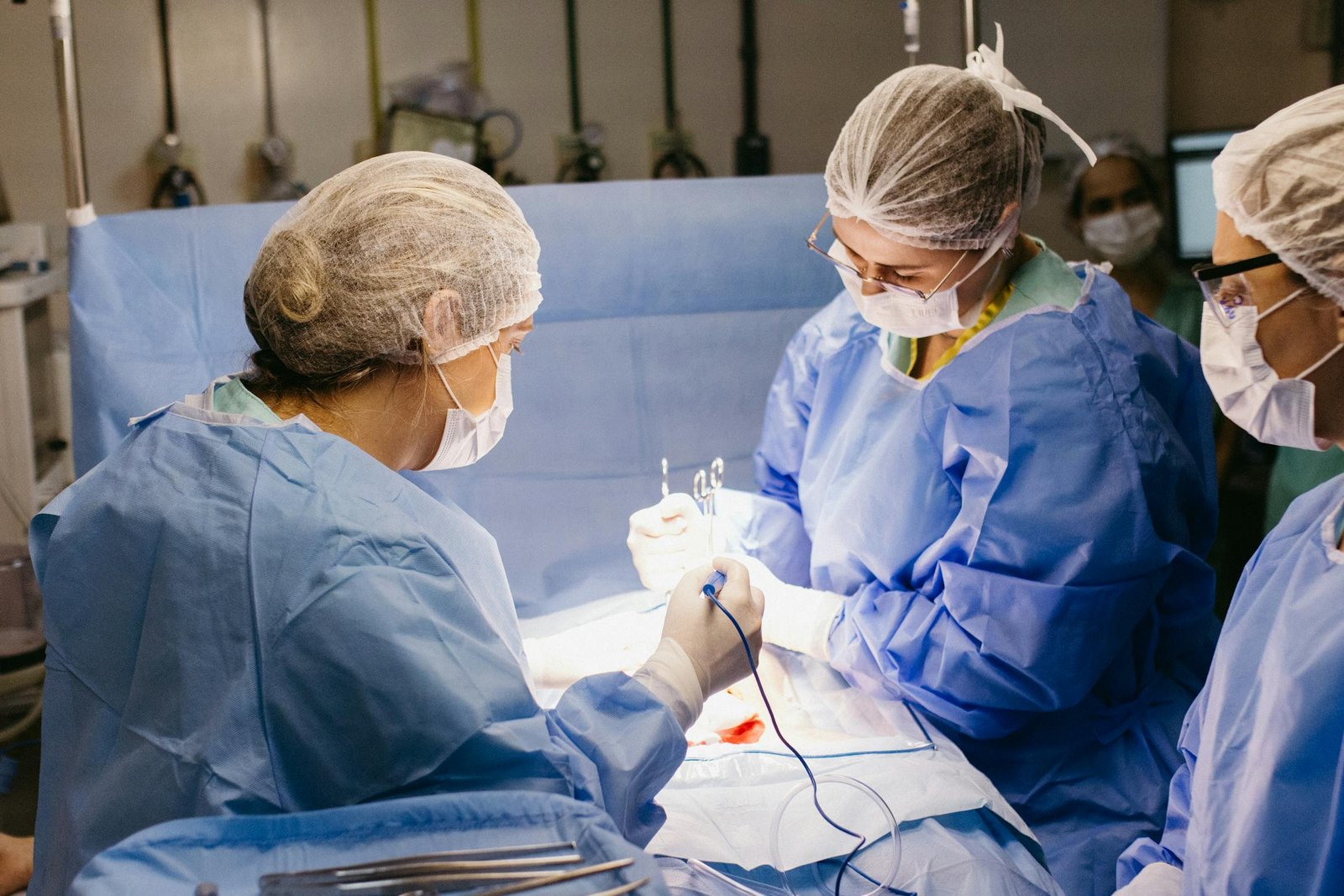
When basic physical therapy fails to resolve the pain, orthopedic surgeons perform arthroscopic rotator cuff repairs. Dedicated doctors surgically reattach the damaged tendon to the bone, and they meticulously clear away inflamed surrounding tissue. An arthroscopic subacromial decompression effectively creates much more physical space for the recovering rotator cuff tear.
After the surgeon completes these internal tissue corrections, the repaired joint typically moves with less internal friction. Sometimes the neighboring biceps tendon completely tears, so expert surgeons may perform an arthroscopic soft tissue biceps tenodesis. This highly specific surgical procedure stabilizes the upper arm without causing unnecessary surrounding muscle trauma.
While the surgery requires only very small external incisions, healing patients face a lengthy physical rehabilitation process. Proper post-operative care protects the delicate fresh surgical repair, and it prevents additional future structural shoulder joint damage. Physical therapy plays a key role in this recovery process, helping patients regain strength, mobility, and full function in the shoulder over time.
Evaluated Severity of Injury
Doctors evaluate these specific injury factors:
- Tear depth
- Tear location
- Patient age
Acute, severe shoulder tears require immediate medical attention, or the affected muscle will permanently retract into the shoulder. Because massive internal tissue tears cause significant structural arm weakness, experienced doctors quickly schedule the required corrective surgery.
Address Rotator Cuff Tears
Since painful shoulder joint injuries severely disrupt your normal daily life, you truly need a clear professional recovery plan. Highly trained medical professionals consistently guide your personal healing process from the initial physical diagnosis to full recovery. Call a local orthopedic clinic today, and you can schedule your comprehensive shoulder evaluation to begin your recovery. A medical team can deliver quality physical care for your currently damaged upper body muscles.