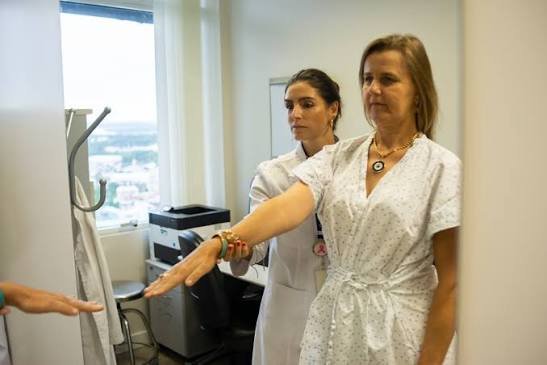


Many patients seek relief from chronic orthopedic conditions, but often encounter misinformation that shapes expectations and choices. Chronic pain, defined as lasting longer than three months, commonly involves arthritis, nerve issues, or persistent aches. Specialists coordinate a range of treatments, combining medications, rehabilitation, and noninvasive procedures for chronic pain management. Because patients may misunderstand available interventions, professionals help clarify options and dispel myths to support informed decision-making.
Chronic Pain Management and Medications
Prescriptions are seldom relied upon as the only approach for chronic pain management over the long term. Research indicates no proven sustained benefit for these drugs, and alternatives present safer options. While short courses of narcotics are sometimes used for acute situations, non-narcotic alternatives often form the foundation of treatment, with ongoing monitoring for adverse effects. Medical studies have not shown improved control of persistent discomfort with these stronger substances. Anti-inflammatory drugs such as ibuprofen can help reduce swelling, and medications originally developed for mood or seizure disorders may be utilized to address nerve-related symptoms. Anti-inflammatory agents and short-term corticosteroid treatments address inflammation, while medications from the antidepressant and antiepileptic categories are used for nerve-related pain. These alternative medication classes generally produce fewer side effects and are better tolerated than long-term use of narcotic options.
Chronic Pain Management and Treatments
Surgery does not represent the only path toward recovery. Specialists treat diverse ailments without operating, and they utilize outpatient procedures instead. When individuals experience persistent back pain, physicians might suggest epidural steroid injections, or they may recommend spinal cord stimulators so that the patient avoids invasive operations. Outpatient physicians oversee many different restorative methods. Some individuals benefit from targeted nerve blocks, and others find relief through coordinated physical therapy sessions.
While surgeons perform operations for specific structural problems, pain specialists coordinate alternative strategies like acupuncture, and they track physical therapy progress to measure functional gains. Patients with herniated discs receive multimodal care plans. Doctors monitor physical rehabilitation programs, and they integrate noninvasive techniques into the daily regimen. By utilizing these alternative strategies, specialists help individuals manage ongoing discomfort effectively without surgical interventions.
Chronic Pain Management and Recovery
Recovery involves a gradual process rather than immediate resolution. Doctors measure progress incrementally, and patients learn to quantify their daily discomfort levels. Because multiple factors contribute to an individual’s distress, physicians examine the complete picture, and they guide individuals through various stages of managing the condition. A single physician oversees the entire treatment plan. Patients do not return to their normal routines within days, but they slowly circumvent their limitations through guided rehabilitation.
As specialists treat individuals with widespread muscle aches or active malignancies, they learn how the condition affects daily life, and they adjust interventions to maximize functional restoration. Medical professionals understand the deep impact of physical distress on daily activities. They evaluate progress over extended periods, and they make necessary adjustments to the therapeutic approach. When patients grasp this incremental timeline, they achieve better results, and they experience less frustration during their rehabilitation journey.
Find a Clinic
Accurate information enables patients to make informed choices and work collaboratively with healthcare providers for meaningful improvements. Reliable medical guidance dispels common misconceptions and helps individuals focus on evidence-based treatments. Find a clinic in your area to learn more.