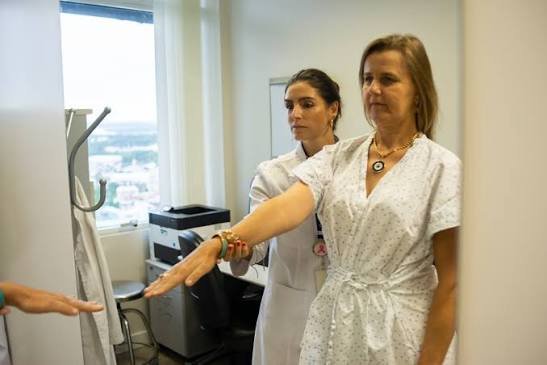


Podiatrists and specialized medical foot doctors, and they treat active individuals with localized lower extremity pain. Medical professionals thoroughly evaluate affected lower limbs, and they diagnose specific musculoskeletal conditions accurately. When active individuals ignore early symptom warnings, untreated foot pain diminishes their overall sports performance. Here is more information on the relationship between foot pain and sports performance:
Reducing Force
Athletes strike the playing surface forcefully, and their lower limbs absorb high impact levels consistently. If a competitor has severe foot pain, they generate significantly less power during demanding matches. Localized discomfort severely limits explosive athletic movements during intense competitive sporting events on the field. Diminished force output directly causes very specific physical performance issues during competitive team matches:
- Decreased maximum sprint speed
- Lower vertical jump height
- Reduced lateral movement agility
Compensating for Injuries
While the human body naturally adapts to pain, these mechanical changes cause secondary physical issues rapidly. Injured runners may alter their natural movement stride to avoid ongoing local physical discomfort entirely. A noticeable limp reduces direct pressure on the heel, but it strains the opposite knee heavily. Unnatural body mechanics place undue stress on healthy surrounding joint structures over an extended time.
Faulty biomechanical movements shift heavy physical loads to vulnerable surrounding body parts very quickly indeed. Because human feet provide a structural foundation, bodily imbalances affect the entire skeletal-muscular system. Poor physical alignment creates unwanted muscle tension, and this tension decreases overall mobility steadily.
Disrupting Training Routines
Consistent physical daily practice builds muscular stamina, but chronic foot pain interrupts scheduled daily workout routines. Frequently missed morning gym sessions actively decrease a person’s baseline cardiovascular fitness levels. While scheduled rest periods heal damaged tissues, prolonged inactivity reverses established athletic conditioning rather noticeably. Athletes lose their competitive edge quickly, and regaining peak form requires intense physical training effort.
Leading to Overuse Injuries
When athletes push through minor pain, they place extreme stress on supporting leg tendons. Small tissue tears may develop in the plantar fascia, and localized inflammation builds up quite rapidly. Repeated physical strain severely damages weak soft tissue structures within the human foot over time.
Severe Achilles tendinitis requires lengthy physical recovery periods away from demanding competitive athletic sports. If you ignore persistent joint swelling, permanent structural foot damage becomes a highly likely outcome. Proper physical rest prevents these microscopic soft tissue tears from worsening significantly over the season.
Medical intervention from a foot doctor helps to stop further physical damage, and it speeds up the healing process. Unless marathon runners purposefully modify their current activity levels, severe bone stress fractures can develop. Chronic, untreated injuries end promising athletic careers far too prematurely in many documented cases. Prompt medical attention solves root problems, and it protects athletes from severe physical complications.
Visit a Foot Doctor Today
Schedule an initial medical evaluation with a certified local podiatry provider when you encounter foot pain. If you currently experience persistent lower extremity symptoms, seek an accurate medical diagnosis immediately. Untreated pain worsens steadily over time, so contact a clinical office for a thorough assessment. Take immediate action right now to start your structured medical recovery process with a team of professionals.