
Address

16 Amar Rd, Walnut, California. USA

Call Us

904-655-0755

Aesthetics refers to non-surgical cosmetic treatments, and these can be specifically designed for your outer skin and physical body. Clinics offer these targeted services, and trained medical professionals perform them regularly. Because these diverse cosmetic options exist today, many people pursue specific treatments for personal reasons. Here are four aesthetics services that may be available: 1. Microneedling Providers move an electronic device across the target area, and it creates microscopic punctures. While this process may sound painful, professionals apply a topical numbing cream beforehand. Microneedling involves the careful use of tiny, sterilized needles directly on your facial skin. Patients rest throughout the duration of this outpatient appointment. Since the tiny needles repeatedly penetrate the skin surface, your body starts healing the affected area. This natural biological response triggers fresh collagen production within the deeper underlying skin layers. New structural tissue forms gradually over time, so you notice subtle changes after multiple weeks.  Practitioners clean the treated skin after the clinical procedure finishes.  2. Dermaplaning While dermaplaning may sound complicated at first, the actual procedure is quite straightforward. A professional uses a completely sterile surgical scalpel, and they scrape off dead skin cells and fine vellus hair from the skin’s surface. The treatment window is short, and your skin feels smooth right after the session. Moving the blade gently across the skin, the provider takes care with each pass. Those interested in a simple routine might find dermaplaning fits well into a scheduled skincare plan. Patients seeking aesthetics typically schedule this procedure as part of broader skin maintenance, and the process has minimal downtime. Dermaplaning is a versatile treatment that can benefit a wide range of skin types. While it effectively removes dead skin and peach fuzz, it also helps skincare products penetrate more deeply, boosting their efficacy. Many patients get soft, rejuvenated skin after the procedure, and they typically notice an improvement in their skin’s texture and overall appearance. 3. Chemical Peels Chemical peels use specially formulated solutions, and they target the upper layers of skin for removal. Trained healthcare providers select the appropriate chemical strength based on your skin needs and treatment goals. The application only takes a few minutes, but the expertise needed to assess your outcome is significant. You might select from several types of peels at a clinic: Light peels Medium peels Deep peels Careful preparation and aftercare instructions are shared with you before leaving the facility. Downtime varies according to peel depth, and mild redness or peeling may occur. To do this, healthcare teams guide you through the healing process and answer your questions. 4. Injections Injections are a category of minimally invasive treatments, and they include both Botox and fillers. Medical professionals assess your face and recommend targeted points for injection. The process is typically brief, and treatment decisions involve both patient input and clinical judgment. These options allow for customization to your facial structure and aesthetic preferences.  Find Aesthetics Near You Identify experienced healthcare professionals in your area who offer non-surgical aesthetic treatments. Look at before-and-after photos, and reach out to offices with any questions you have before booking. If you're ready to explore these options, contact a licensed provider near you and take your first steps with confidence.
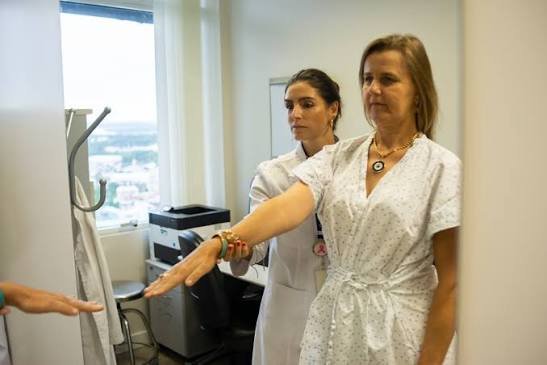

4 Aesthetic Services That Some Healthcare Professionals Provide

Aesthetics refers to non-surgical cosmetic treatments, and these can be specifically designed for your outer skin and physical body. Clinics offer these targeted services, and trained medical professionals perform them regularly. Because these diverse cosmetic options exist today, many people pursue specific treatments for personal reasons. Here are four aesthetics services that may be available:

1. Microneedling

Providers move an electronic device across the target area, and it creates microscopic punctures. While this process may sound painful, professionals apply a topical numbing cream beforehand. Microneedling involves the careful use of tiny, sterilized needles directly on your facial skin. Patients rest throughout the duration of this outpatient appointment.

Since the tiny needles repeatedly penetrate the skin surface, your body starts healing the affected area. This natural biological response triggers fresh collagen production within the deeper underlying skin layers. New structural tissue forms gradually over time, so you notice subtle changes after multiple weeks.  Practitioners clean the treated skin after the clinical procedure finishes. 

2. Dermaplaning

While dermaplaning may sound complicated at first, the actual procedure is quite straightforward. A professional uses a completely sterile surgical scalpel, and they scrape off dead skin cells and fine vellus hair from the skin’s surface. The treatment window is short, and your skin feels smooth right after the session.

Moving the blade gently across the skin, the provider takes care with each pass. Those interested in a simple routine might find dermaplaning fits well into a scheduled skincare plan. Patients seeking aesthetics typically schedule this procedure as part of broader skin maintenance, and the process has minimal downtime.

Dermaplaning is a versatile treatment that can benefit a wide range of skin types. While it effectively removes dead skin and peach fuzz, it also helps skincare products penetrate more deeply, boosting their efficacy. Many patients get soft, rejuvenated skin after the procedure, and they typically notice an improvement in their skin’s texture and overall appearance.

3. Chemical Peels

Chemical peels use specially formulated solutions, and they target the upper layers of skin for removal. Trained healthcare providers select the appropriate chemical strength based on your skin needs and treatment goals. The application only takes a few minutes, but the expertise needed to assess your outcome is significant.

You might select from several types of peels at a clinic:

  • Light peels
  • Medium peels
  • Deep peels

Careful preparation and aftercare instructions are shared with you before leaving the facility. Downtime varies according to peel depth, and mild redness or peeling may occur. To do this, healthcare teams guide you through the healing process and answer your questions.

4. Injections

Injections are a category of minimally invasive treatments, and they include both Botox and fillers. Medical professionals assess your face and recommend targeted points for injection. The process is typically brief, and treatment decisions involve both patient input and clinical judgment. These options allow for customization to your facial structure and aesthetic preferences. 

Find Aesthetics Near You

Identify experienced healthcare professionals in your area who offer non-surgical aesthetic treatments. Look at before-and-after photos, and reach out to offices with any questions you have before booking. If you’re ready to explore these options, contact a licensed provider near you and take your first steps with confidence.
Leave a Reply

Your email address will not be published. Required fields are marked *

Search

Popular Posts

  • What to Expect During Your First Visit to a Primary Care Facility
    What to Expect During Your First Visit to a Primary Care Facility

    The first appointment at a primary care facility is an initial step to building a long-term relationship with a healthcare provider. Upon entering the facility, you may have questions about the process and interactions with medical staff. Your initial visit involves collecting key health details to create a personal medical profile and support future care.…

  • The Impact of Therapy in Substance Abuse Treatment Success
    The Impact of Therapy in Substance Abuse Treatment Success

    Substance abuse treatment often involves more than addressing physical dependence alone. Therapy plays a central role in helping individuals understand the underlying causes of addiction and build the skills needed to maintain long-term recovery. Therapy can strengthen treatment outcomes and support lasting change through structured support and ongoing care. Here are some of the key…

  • Understanding the Different Types of Pap Smears and Their Uses
    Understanding the Different Types of Pap Smears and Their Uses

    Routine health screenings provide valuable information about your body and guide long-term wellness plans. Among these screenings, Pap smears stand out as a highly recognized procedure in women’s health. This screening evaluates cervical health by examining cellular structures. Medical professionals utilize this test to monitor changes over time. By understanding the methodology behind this test,…